Beginner Guides
Understanding MotoGP Circuits: From Fast Tracks to Technical Layouts
MotoGP circuits vary hugely, from high-speed layouts favouring raw power to tight, technical tracks that demand rider precision. Learn how each type tests bikes and riders.
Independent fan site — not affiliated with MotoGP or MotoGP Sports Entertainment Group (formerly Dorna). Written by AI from official data and fact-checked: how this article was made.
When you first start watching MotoGP, it’s easy to think that all racetracks are broadly the same: a loop of tarmac with some corners and a start/finish line. In reality, every circuit on the calendar has a unique character, a distinct personality that presents a completely different challenge for the riders and their engineering teams.
Understanding the difference between a fast, flowing track and a tight, technical one is key to appreciating the skill on display. A bike setup that works wonders at one venue might be a disaster at the next, and a rider who dominates on one type of layout may struggle on another. Let’s explore what makes each circuit special.
What makes a circuit ‘fast’?
A ‘fast’ circuit is defined by its long straights and wide, sweeping corners. These are places where bikes can stretch their legs and reach incredible Top speedThe fastest a bike goes on a lap, reached at the end of the longest straight — over 360 km/h at the quickest circuits.Read the full guide →, often over 350 km/h (about 217 mph). The layout allows riders to keep the throttle open for long periods, making raw engine power a massive advantage.
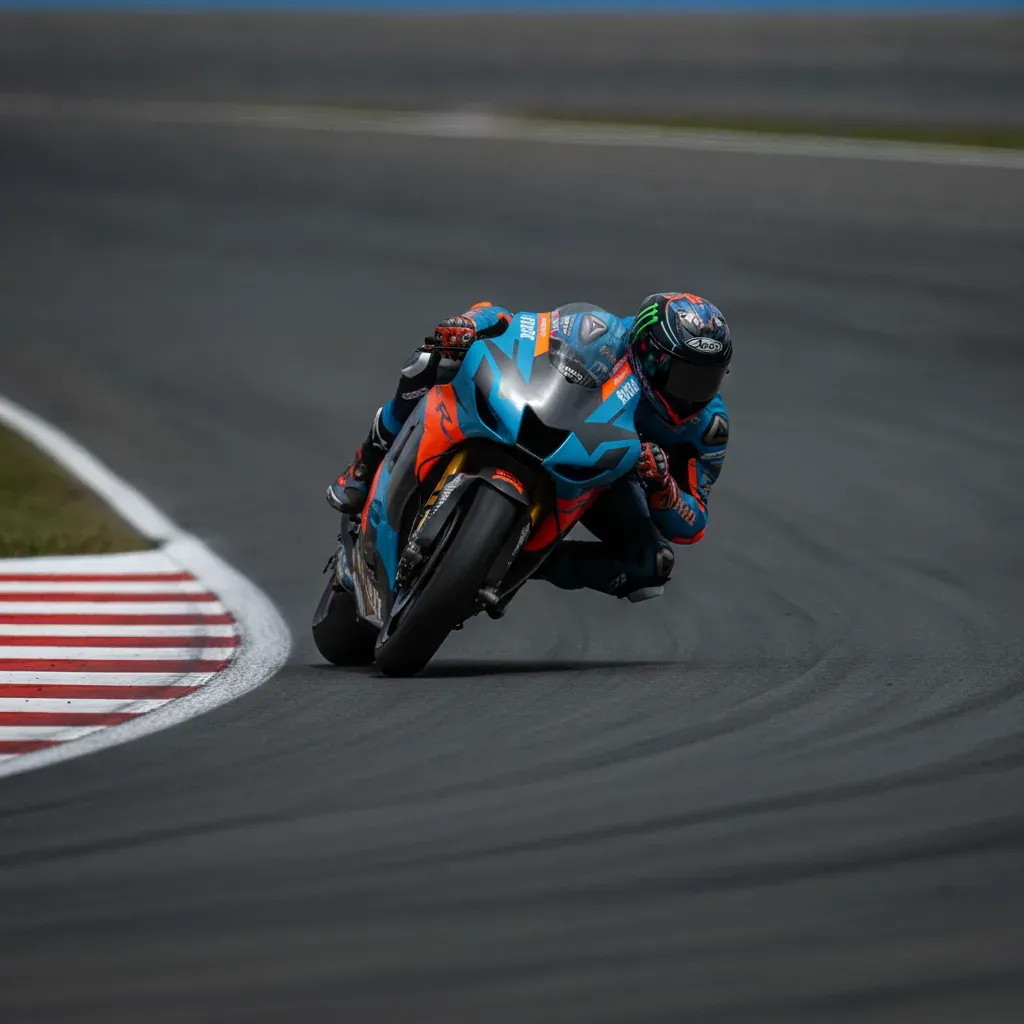
Tracks like the Autodromo Internazionale del Mugello in Italy or the Lusail International Circuit in Qatar are classic examples. They feature enormous straights followed by heavy braking zones and fast, flowing corners. On these circuits, a bike with a slight top-speed advantage can be very difficult to overtake. For the riders, it demands immense bravery and precision to brake from such high speeds and commit to corners where they carry huge momentum.
What is a ‘technical’ circuit?
In contrast, a ‘technical’ circuit is one that prioritises agility over outright speed. These tracks typically feature shorter straights, a higher number of tight corners, and complex sequences of turns called ChicaneA quick sequence of tight, alternating corners (left-right or right-left), often built to slow the bikes down.Read the full guide → (quick left-right or right-left flicks). They often have significant changes in elevation, with steep uphill and downhill sections.
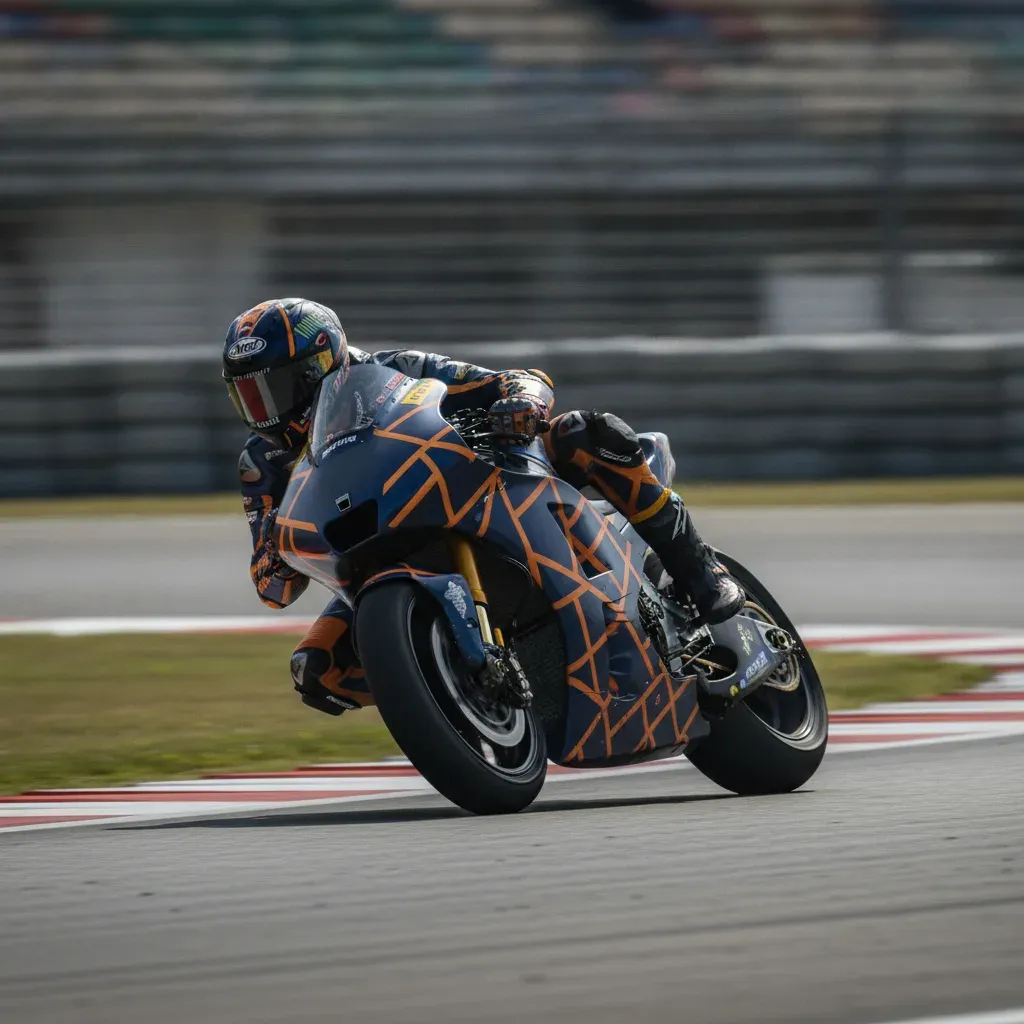
The Sachsenring in Germany is a perfect example of a technical layout. It’s a tight, twisty track with very few long straights, meaning the bike spends most of the lap turning. Here, a powerful engine is less important than a motorcycle that can change direction quickly, brake effectively, and accelerate hard out of slow corners.
On these tracks, rider skill comes to the fore. Finding the perfect Racing lineThe fastest path through a corner — usually wide on the way in, clipping the apex, then wide again on the way out.Read the full guide →—the most efficient path through a corner—and managing the bike’s behaviour under constant braking and acceleration is what makes the difference. It’s less about top speed and more about rhythm and precision.
How do circuits affect the bikes?
The character of a circuit dictates how a team prepares the motorcycle. This preparation, known as the bike’s ‘setup’, is crucial for performance. For a fast track like Mugello, engineers will likely use longer gear ratios to maximise top speed and focus heavily on WingletsSmall wings on the bodywork that create downforce to keep the front wheel down and improve stability.Read the full guide →.
Aerodynamics is the science of how air flows over the bike. The wings and fins you see on MotoGP machines are designed to push the bike onto the track at high speed, preventing the front wheel from lifting and making it more stable. On a fast circuit, this stability is vital.
For a technical track like the Sachsenring, the priorities are different. Teams will use shorter gear ratios for punchier acceleration out of the many slow corners. The setup will be focused on making the bike turn as quickly as possible, and while aerodynamics still matter, mechanical grip from the tyres and suspension is the main focus.
Are some circuits a mix of both?
Most circuits on the MotoGP calendar are not purely one thing or the other; they are a hybrid of fast and technical sections. This presents the biggest challenge for engineers, as they have to find a compromise in the setup that works reasonably well everywhere on the lap.
Silverstone in Great Britain is a great example. It has some of the fastest sections of the year, like the famous Hangar Straight, but it also has very slow, technical complexes of corners. Similarly, the Circuit of The Americas in Austin, Texas, combines a monstrously long back straight with a slow, twisty final sector. Finding a balanced setup for these tracks is the key to a successful weekend.
This variety is part of what makes the MotoGP championship so compelling. The constant change of scenery ensures that the challenge is always fresh, testing every aspect of a rider’s skill and every component of their motorcycle. Each track is a new puzzle to be solved.
Quick Takeaways
- Fast Circuits: These are characterised by long straights and sweeping corners, favouring bikes with the most powerful engines and good high-speed stability.
- Technical Circuits: These feature many tight turns and short straights, rewarding bikes that are agile and accelerate well, along with precise rider skill.
- Bike Setup is Key: Teams completely change the bike’s gearing, suspension, and aerodynamics for each circuit to match its specific demands.
- Most Tracks are Hybrids: The majority of circuits blend fast and slow sections, forcing teams and riders to find a balanced, compromise setup.
Quick questions
- Q.Which MotoGP circuit is the fastest?
- This can be measured in different ways, but circuits like Italy's Mugello and Qatar's Lusail International Circuit are famous for their long straights and consistently produce some of the highest top speeds seen all season.
- Q.Do riders have favourite types of circuits?
- Yes, a rider's personal style often suits a particular type of track. Some excel at the bravery required for high-speed corners, while others are masters of precision in tight, technical sections.
- Q.How much can a team change the bike for each circuit?
- Teams can adjust almost everything to create a tailored setup. This includes engine gear ratios, suspension settings, the angle and size of aerodynamic wings, and of course, the choice of tyres.
- Q.Are all MotoGP circuits the same length?
- No, they vary significantly in length, number of corners, and the width of the track. Each venue is designed with a unique layout, which contributes to its individual character and the style of racing it produces.