// Beginner Guides
Understanding the MotoGP Warm-Up Session: Sunday Morning Preparations
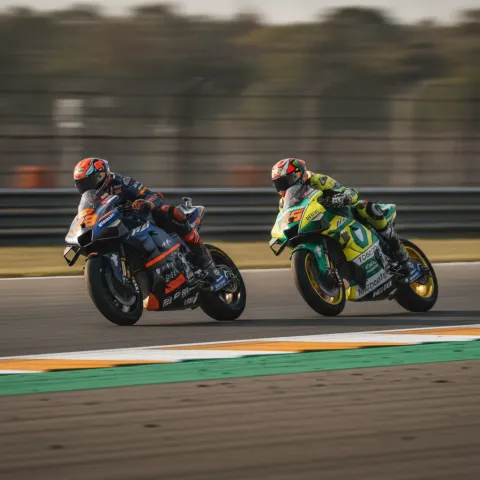
The MotoGP Warm-Up is a short 10-minute session on Sunday morning. It's not for speed, but for final bike checks and adapting to the day's conditions before the race.
Independent fan site — not affiliated with MotoGP or MotoGP Sports Entertainment Group (formerly Dorna). Written by AI from official data and fact-checked: how this article was made.
On this page · 7 sections
A MotoGP race weekend is a whirlwind of PracticeSessions before qualifying where riders set up the bike; the top ten in Friday afternoon's Practice go straight to Q2.Read the full guide → sessions and high-stakes QualifyingThe timed sessions that set the starting order, split into Q1 and Q2 for the front rows.Read the full guide →, all building towards the main event on Sunday afternoon. But before the lights go out for the Grand Prix, there’s one final, crucial piece of the puzzle: the Warm-Up session. It might be short, but this brief window of track time is one of the most important moments of the entire weekend.
What exactly is the Warm-Up session?
The Warm-Up is a very short session, usually just 10 minutes long for the premier MotoGP class, held on Sunday morning a few hours before the race. Unlike the longer practice sessions on Friday or the intensity of qualifying on Saturday, its purpose is not to set blistering lap times or fight for a position on the starting grid.
Instead, think of it as a final dress rehearsal. It’s the last chance for riders and their teams to check that everything is working perfectly and to make tiny, last-minute adjustments before they line up to compete for victory.
Why is it so important?
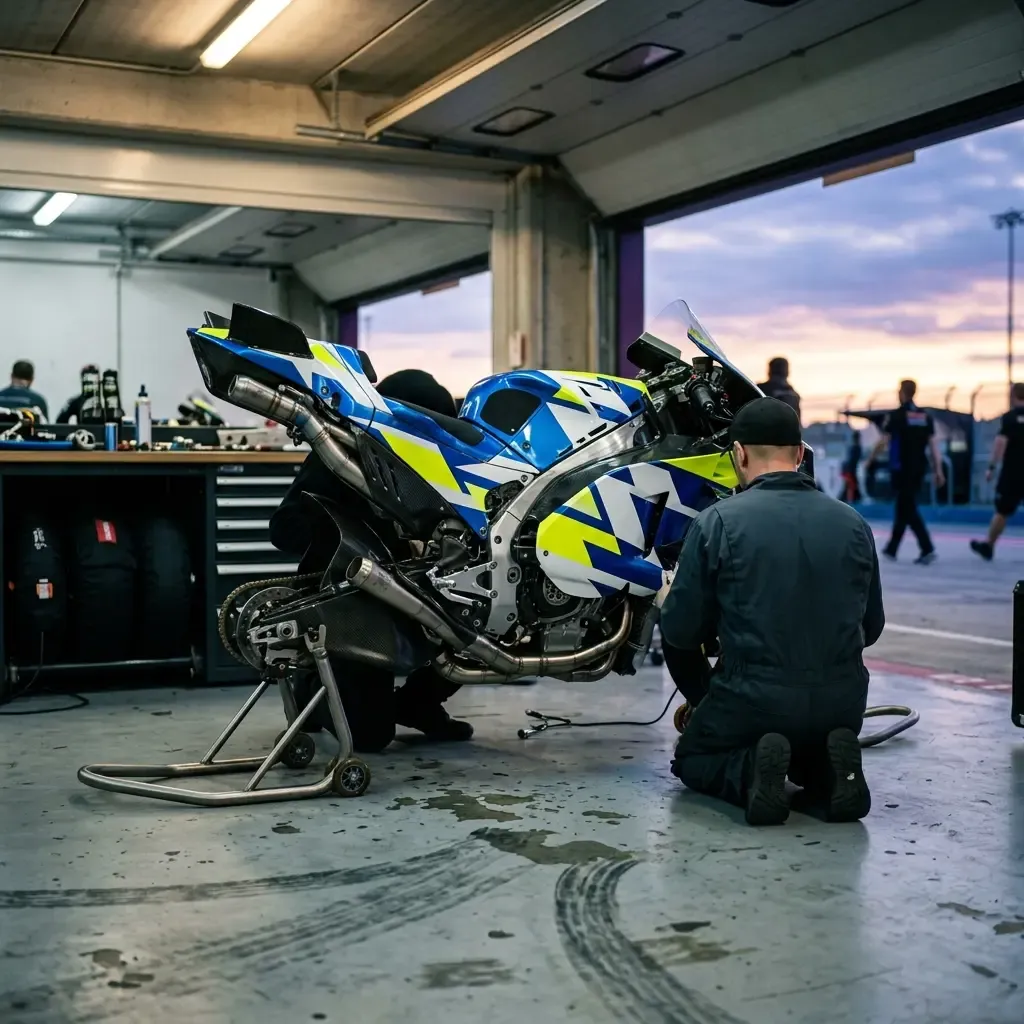
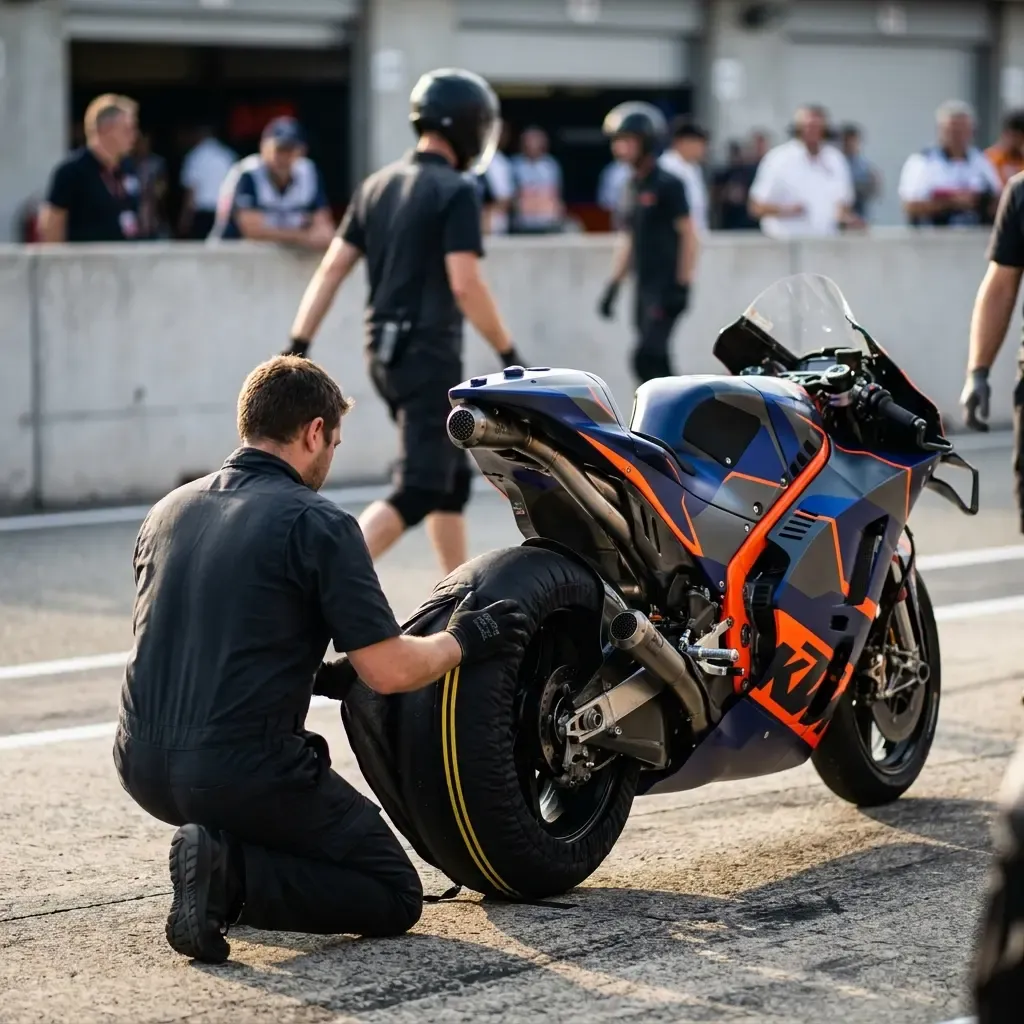
After Saturday’s qualifying and Sprint raceA short Saturday race over half the distance, awarding points to the top nine finishers.Read the full guide →, the mechanics go over the motorcycle in detail and fit fresh parts where needed, so that every component is in perfect condition for the race. The Warm-Up is the first time the rider gets to ride the bike in its final race-ready state. It’s a vital ‘shakedown’ run to confirm everything feels right and that there are no unexpected issues.
Weather is another huge factor. Conditions at a circuit can change dramatically overnight. A track that was hot and sunny on Saturday might be cool and damp on Sunday morning. This session is the last opportunity for teams to understand how the bike and tyres behave in the actual weather conditions they will be racing in. This information is critical for finalising the bike’s setup — the specific configuration of its suspension, electronics, and WingletsSmall wings on the bodywork that create downforce to keep the front wheel down and improve stability.Read the full guide →.
What are teams looking for?
One of the biggest decisions on race day is tyre choice. Riders have a selection of different tyre ‘compounds’ (referring to the softness of the rubber), and picking the right one for the race distance and track temperature is essential for success. During the Warm-Up, a rider might do a few laps on one compound and then pit to try another, giving the team the last bits of data they need to make that final, critical choice.
It’s also a mental exercise for the rider. After the intensity of Saturday, this session allows them to get back up to speed, reconnect with the feeling of their bike, and get into the focused mindset required for the race. A smooth, positive Warm-Up can give a rider a huge confidence boost heading into the afternoon.
What happens in the garage?
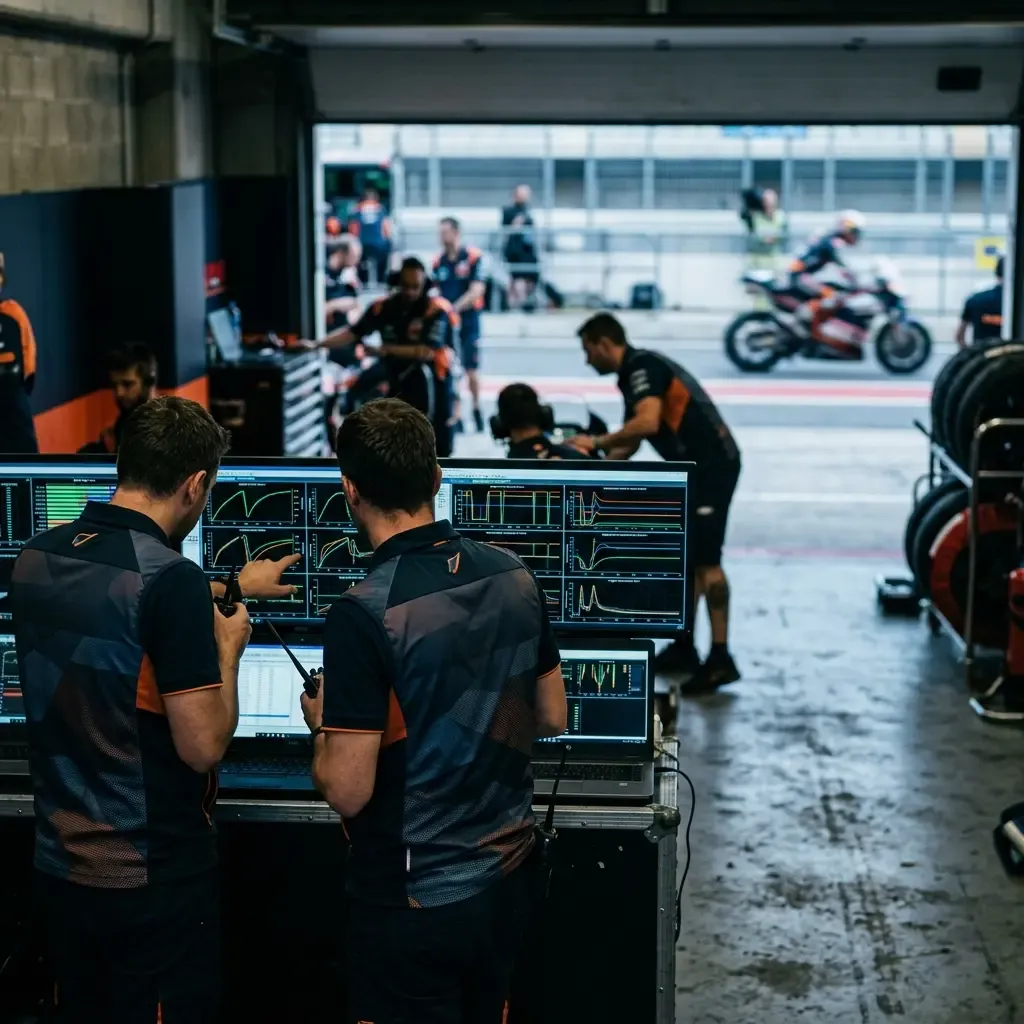
While the rider is on track, the garage is a hive of calm, focused activity. You won’t see the frantic energy of a qualifying session. Instead, engineers are glued to their computer screens, studying the data recorded by hundreds of sensors on the bike. MotoGP doesn’t allow live telemetry, so nothing is sent to the garage while the bike is out on track: the data is downloaded each time the rider comes back into the pit box.
It covers everything from engine performance to tyre pressures and suspension movement. When the rider comes in and reports a specific feeling or issue (there’s no radio in MotoGP), the engineers can look at the data to diagnose the problem and make a tiny adjustment in the pit box. Mechanics stand ready to execute these changes with incredible speed and precision.
Are the lap times meaningful?
For a beginner, it can be tempting to look at the Warm-Up timesheet and assume the fastest rider is the favourite for the race. In reality, the lap times often don’t tell the whole story. A rider’s position in this session is not a reliable predictor of the race result.
Some riders might be testing their bike with a full tank of fuel to simulate how it will feel at the start of the race. A heavier bike is naturally slower per lap but provides vital information. Others might be focusing purely on the feel of a particular tyre, running at a comfortable pace rather than pushing for the absolute limit. The rider who finishes 10th might actually be the happiest person on the grid because they’ve just confirmed their bike setup is perfect.
Ultimately, the Warm-Up is the final systems check and the last chance to gather intelligence before the battle commences. It’s a quiet, methodical, and incredibly important start to the most exciting day of the race weekend.
Quick Takeaways
- The Warm-Up is a short, 10-minute session held on Sunday morning before the main MotoGP race.
- Its primary purpose is to perform final checks on the rebuilt bike, not to set the fastest possible lap times.
- It is the only chance for teams to test their setup and tyre choices in the actual weather conditions for race day.
- Lap times from the Warm-Up are not a reliable guide to who will perform well in the race, as teams have different run plans.
Quick questions
- Q.How long is the MotoGP Warm-Up session?
- For the premier MotoGP class, the Warm-Up session is just 10 minutes long, making it one of the shortest track sessions of the race weekend.
- Q.Do the lap times in Warm-Up count towards anything?
- No. The times are purely for informational purposes for the teams and riders. They do not affect grid positions, and no championship points are awarded.
- Q.Can a rider crash during the Warm-Up?
- Yes, crashes can and do happen. This is a team's worst-case scenario, as it leaves them with only a few hours to repair what is often significant damage to the motorcycle before the race begins.
- Q.Is the Warm-Up session mandatory for riders?
- While not strictly mandatory, it is extremely rare for a healthy rider to skip it. The session is considered a vital part of race day preparation for checking the bike and assessing conditions.