// Jargon Buster
Understanding MotoGP Corners: From Hairpins to Esses
MotoGP circuits feature a variety of corners, from slow hairpins to fast esses. This guide explains the common types and how riders tackle each one.
Independent fan site — not affiliated with MotoGP or MotoGP Sports Entertainment Group (formerly Dorna). Written by AI from official data and fact-checked: how this article was made.
On this page · 7 sections
Watching a MotoGP race, it’s easy to focus on the incredible straight-line speed. But races are almost always won and lost in the corners. They are the most technical parts of any circuit, demanding immense skill, bravery, and precision from the riders.
However, not all corners are created equal. A tight hairpin requires a completely different approach to a fast, flowing ChicaneA quick sequence of tight, alternating corners (left-right or right-left), often built to slow the bikes down.Read the full guide →. Understanding these basic types of turns is one of the first steps to appreciating what makes the riders so talented. Let’s break down the main corner types you’ll hear commentators talk about.
What is a hairpin?
A hairpin is a very tight, slow corner that almost doubles back on itself, shaped like a hairpin.
When you see riders braking so hard their rear wheel lifts off the ground, they are probably approaching a hairpin. Because these corners are so tight and slow, they are one of the most common places for overtaking. A rider can brake later than their rival on the way in to steal the position.
The key to a good hairpin is getting the bike slowed down effectively, turning it in a very short space of time, and then getting on the power as early as possible for the following straight. It’s a delicate balance of aggression on the brakes and smoothness on the throttle.
What are esses and chicanes?
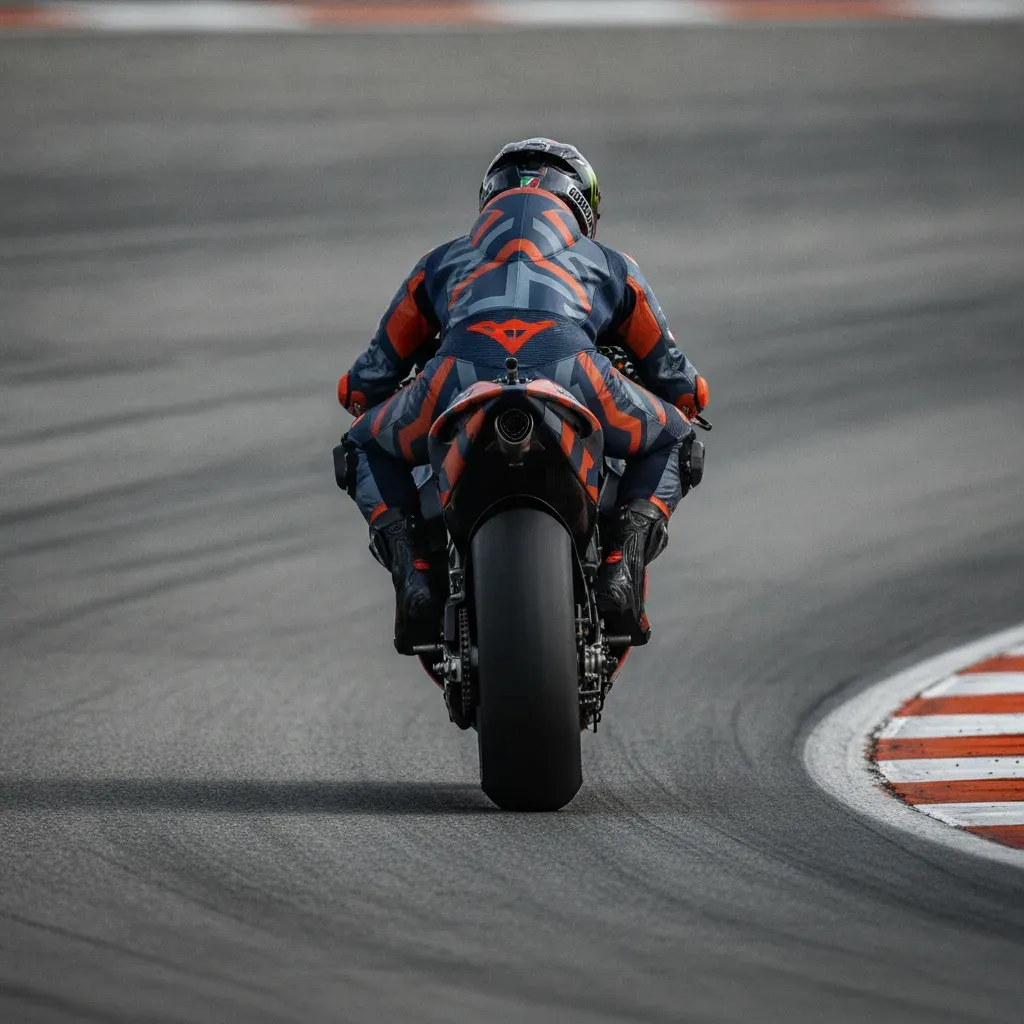
Esses are a flowing sequence of ‘S’-shaped turns, typically left-right or right-left. They demand incredible agility from both bike and rider. The goal is to find a smooth rhythm, flicking the bike from one side to the other with minimal effort. Getting the first part of the sequence right is vital, as a mistake will ruin your line and speed for the next part.
A chicane, while also a sequence of quick turns, is usually a tighter, more abrupt series of corners. Chicanes are often added to a circuit for safety reasons, forcing riders to brake hard and change direction quickly. They break up long straights and prevent dangerously high speeds. Both esses and chicanes are fantastic to watch, as they really show how quickly a MotoGP bike weighing little more than 150kg can be made to change direction.
What is a double-apex corner?
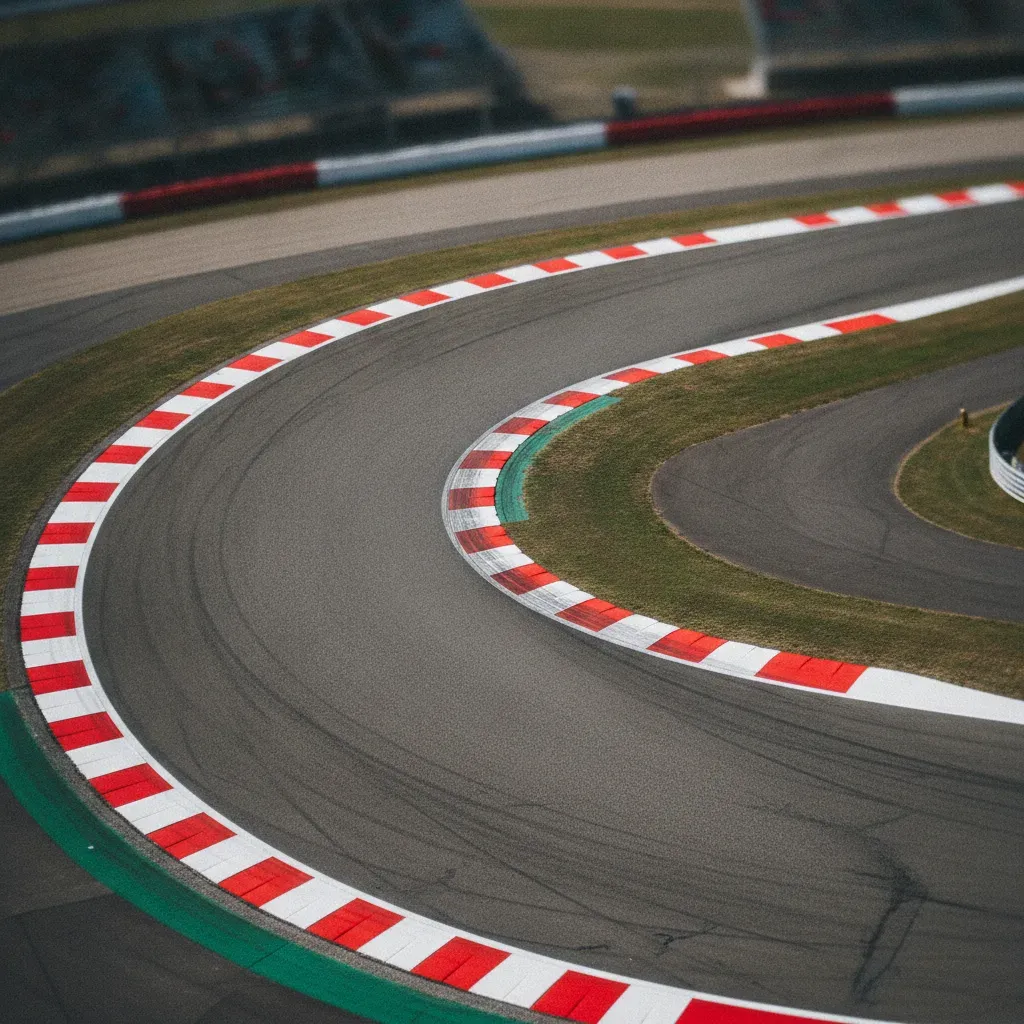
A double-ApexThe innermost point of a corner — the tightest part of the turn that a rider aims to clip to carry the most speed onto the next straight.Read the full guide → corner is a long turn that has two distinct points, or apexes, that the rider aims to hit.
First, let’s define the apex: it’s the innermost point of the corner that a rider gets closest to. Hitting the apex is crucial for taking the fastest path. In a double-apex corner, the challenge is that the turn is so long it effectively has two of these points. This makes choosing the right line much more difficult.
A rider can’t just take one constant, sweeping line. They have to decide whether to prioritise speed at the first apex, which might compromise their entry to the second, or to sacrifice the first part of the corner to get a much better drive out of the second apex. It’s a real test of a rider’s patience and strategy.
How do riders choose a line?
The path a rider takes through a corner is called the ‘Racing lineThe fastest path through a corner — usually wide on the way in, clipping the apex, then wide again on the way out.Read the full guide →’. This is the smoothest, fastest route possible, designed to carry the maximum amount of speed throughout the turn. Typically, it involves using the full width of the track: starting wide on the entry, cutting in to hit the apex, and then drifting wide again on the exit.
This classic line gives the corner the widest possible radius, making it less sharp and therefore faster. However, riders will deliberately move off this line to defend their position from a rider behind or to set up an overtake. For example, a rider defending might take a tighter, slower line to block the inside.
Why does cornering style matter?
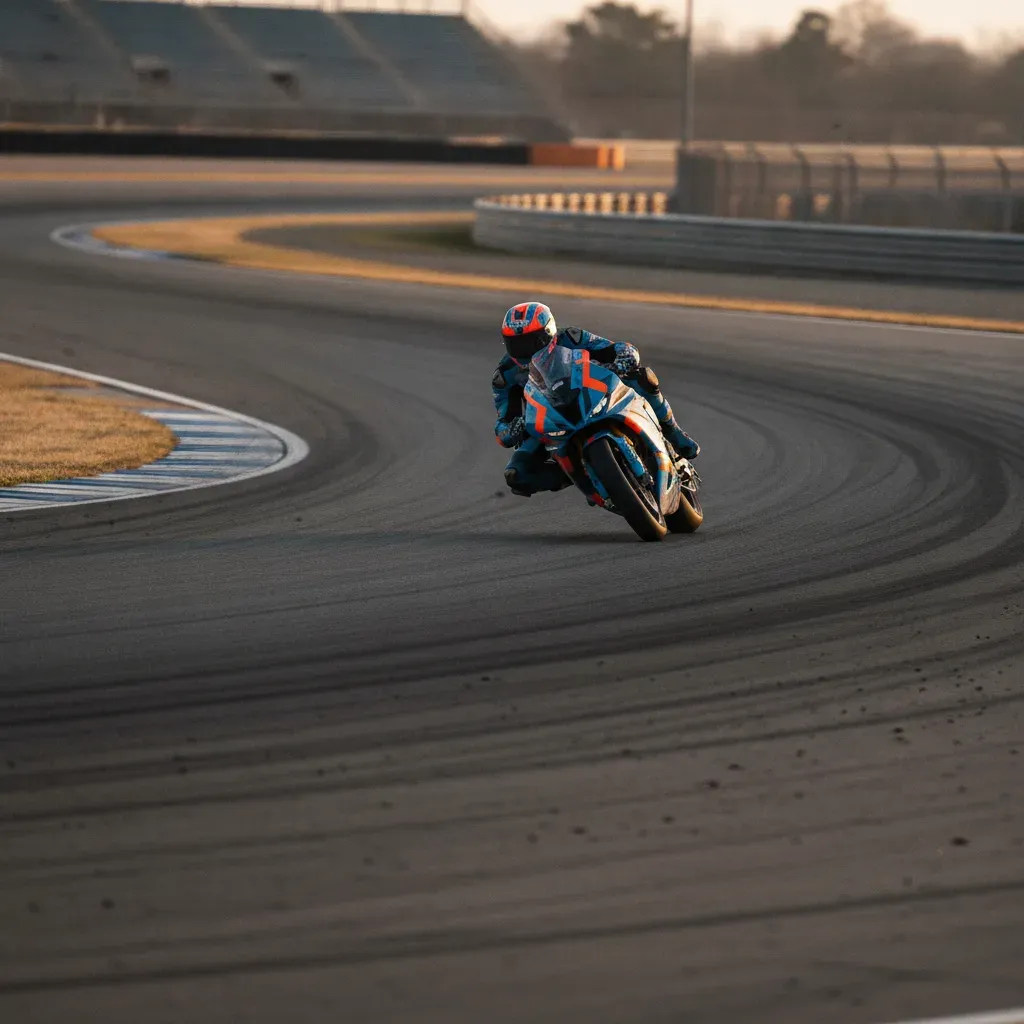
You will notice that different riders have very different body positions on the bike. Some hang their bodies way off to the inside of the turn, getting their knee and even elbow on the ground. Others have a more upright, classic style. There is no single ‘correct’ way to take a corner.
The style often depends on the rider’s personal preference, the behaviour of their bike, and the type of corner. The main goal is always the same: to shift their combined centre of gravity with the bike to the inside of the turn. This helps balance the forces pulling them to the outside, allowing them to maintain grip from the tyres while leaning at incredible angles.
Quick Takeaways
- Different corner types, like hairpins, esses, and chicanes, demand unique skills and approaches from the riders.
- A hairpin is a slow, tight turn that is a prime spot for overtaking due to the heavy braking required on entry.
- Esses are a quick sequence of flowing turns, while chicanes are a tighter, more abrupt sequence, often added for safety. Both require riders to find a smooth, flowing rhythm.
- The ‘racing line’ is the ideal path through a corner for maximum speed, but riders will alter it to attack or defend their position.
- A rider’s body position helps them balance and maintain grip, allowing them to lean the bike at over 60 degrees.
Quick questions
- Q.What is the slowest type of corner in MotoGP?
- Hairpins are typically the slowest corners on a circuit. They are very tight turns that require riders to brake extremely hard and navigate at low speeds before accelerating out.
- Q.Why are chicanes added to race tracks?
- Chicanes are often added to circuits to break up long straights. This forces riders to slow down, which is primarily a safety measure to control top speeds.
- Q.What is a corner 'apex'?
- The apex is the innermost point of a corner that a rider aims for. Hitting the apex correctly is the key to taking the fastest, most efficient line through the turn and getting a good exit.
- Q.Do all riders take the same line through a corner?
- While there is an optimal 'racing line' for maximum speed, riders often take different lines. They might take a tighter 'defensive' line to block an opponent, or a wider line to set up an overtake on the exit.