// Beginner Guides
The MotoGP Podium Ceremony Explained for Beginners
The MotoGP podium is the post-race ceremony where the top three riders receive trophies and celebrate with sparkling wine. It's a key tradition at every Grand Prix.
Independent fan site — not affiliated with MotoGP or MotoGP Sports Entertainment Group (formerly Dorna). Written by AI from official data and fact-checked: how this article was made.
On this page · 8 sections
The roar of the engines has faded, the chequered flag has been waved, and the race is over. For the three riders who fought their way to the top, the day’s work isn’t quite finished. Now comes one of the most iconic traditions in motorsport: the podium ceremony.
It’s a moment of pure emotion, relief, and celebration. But if you’re new to MotoGP, the sequence of events can be a little confusing. Let’s break down what happens from the moment the race ends to the final spray of sparkling wine.
What happens right after the race?
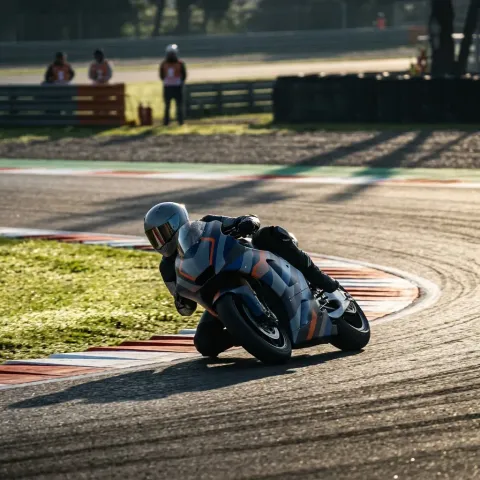
Once a rider crosses the finish line, they don’t just head back to the garage. The first thing they do is complete a ‘cool-down lap’ or ‘victory lap’. This is a slower lap of the circuit where they can wave to the fans, celebrate with trackside marshals, and let the initial adrenaline wear off.
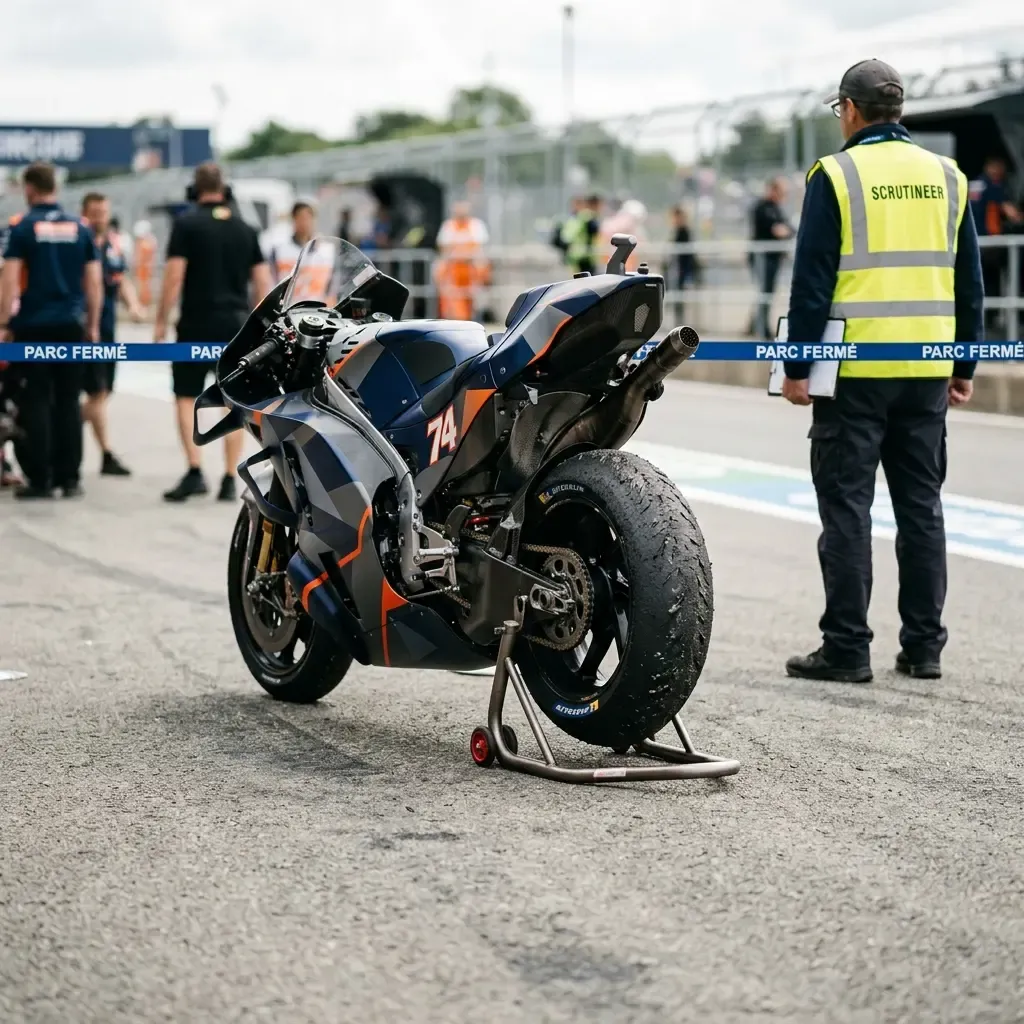
After this lap, the top three finishers proceed directly to a special, secure location near the podium called Parc ferméA controlled area where the top bikes are held after the session for checks, with no team work allowed.Read the full guide →.
What is parc fermé?
Parc fermé is a French term that means “closed park”. In MotoGP, it’s a fenced-off area where the top three motorcycles are held immediately after the race. Riders park their bikes here, and they are kept under strict supervision.
The reason for this is technical scrutiny. Officials from the sport’s governing body will inspect the bikes to ensure they comply with all the rules and regulations. This confirms that no illegal modifications were used during the race, guaranteeing a fair result.
This is also the first place the riders get to celebrate with their team. You’ll often see emotional scenes with mechanics and engineers as the rider dismounts their bike.
How do the riders get to the podium?
From parc fermé, the riders head towards the podium. This is usually a short walk, often through a buzzing crowd of team personnel, media, and officials. Their bikes are weighed to make sure they meet the minimum weight limit.
Before stepping onto the podium itself, they are often guided into a small ‘cool-down room’. Here, they can have a drink, take a breath, and watch highlights of the race for the first time, often sharing a few words with their fellow podium finishers.
Who stands where on the podium?
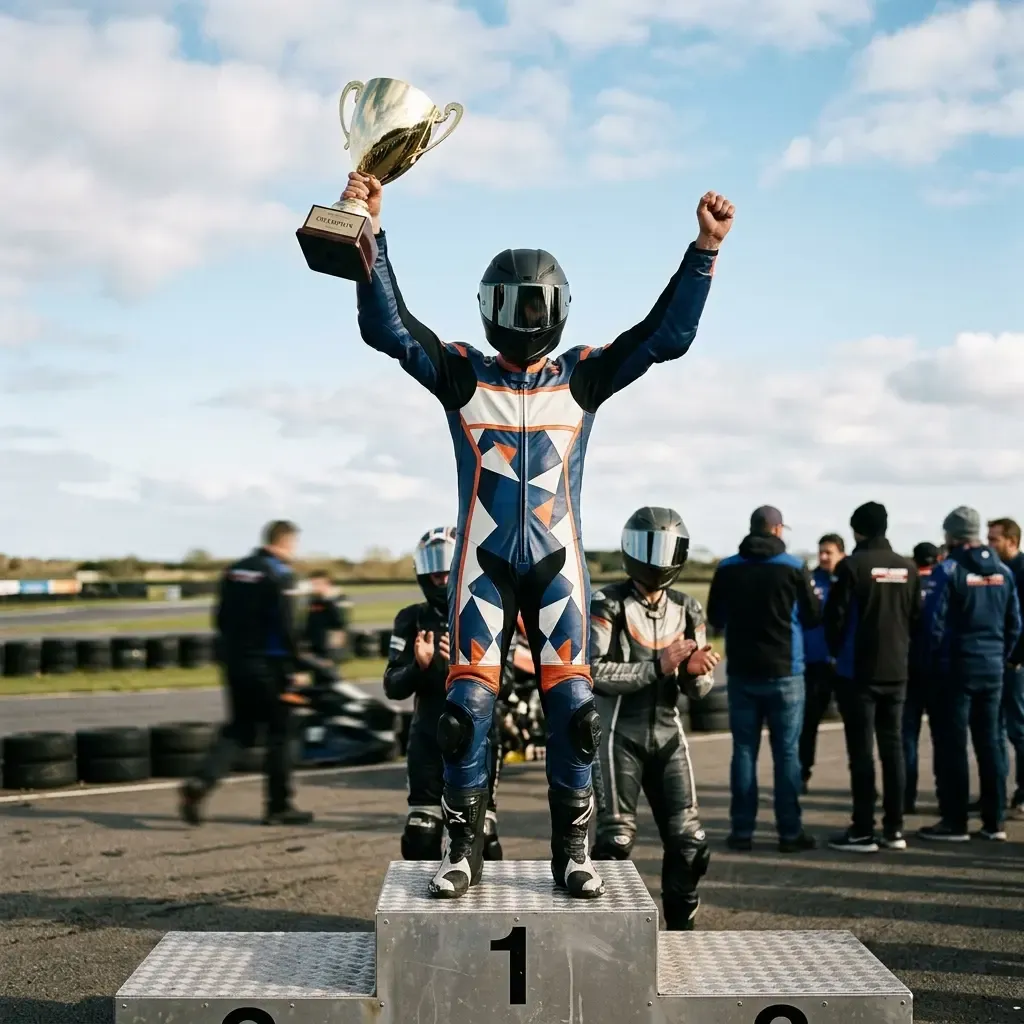
The podium has three steps, and the layout is always the same. The winner of the race takes the centre, highest step, known as the ‘top step’. The rider who finished second stands to the winner’s right (from the winner’s perspective), and the third-place rider stands to the winner’s left.
This hierarchy is a long-standing tradition in motorsport and many other sports, clearly signalling the finishing order to the watching crowds and television cameras.
What is the ceremony itself like?
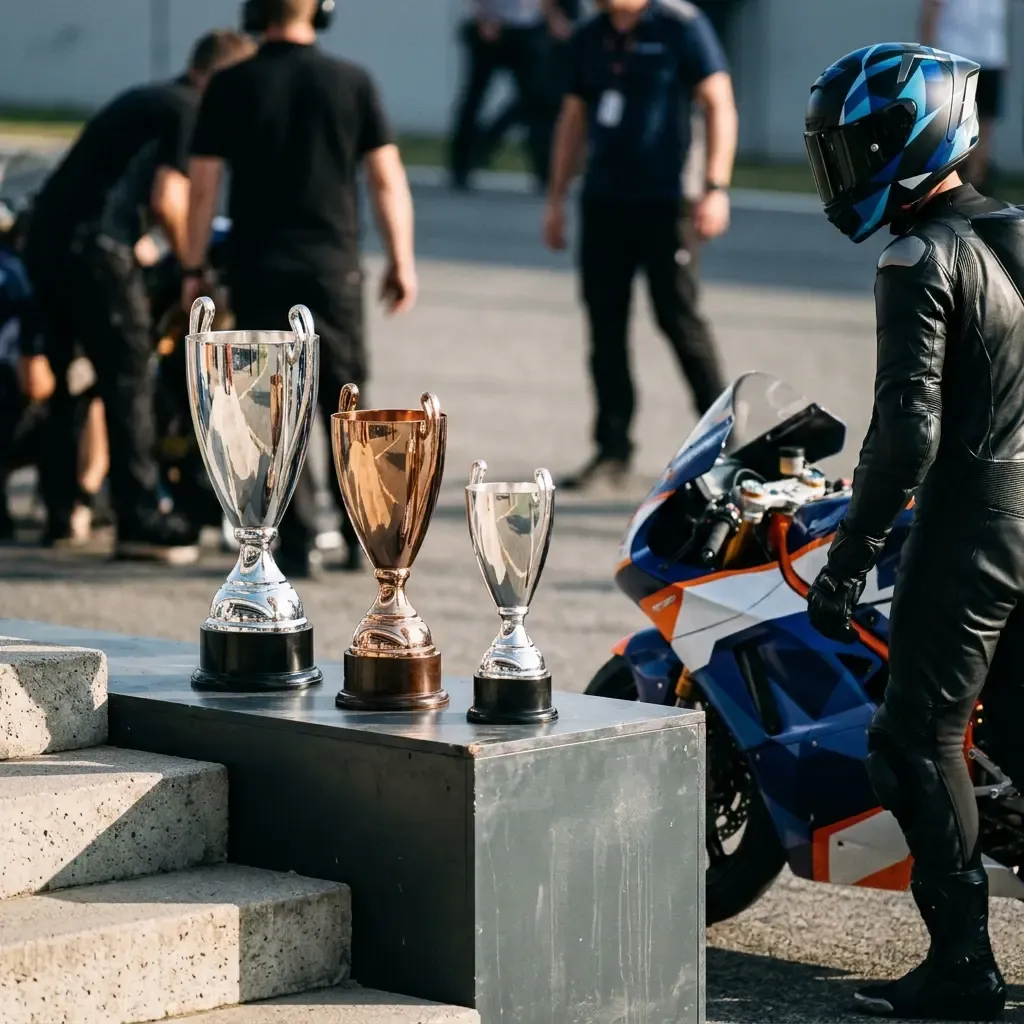
Once the riders are in position, the formal ceremony begins. An official, often a local dignitary or a representative from the sport’s organisers, presents each rider with their trophy. The winner receives the largest, most ornate trophy, followed by the second and third-place awards.
Next, the national anthems are played. First, the anthem of the winning rider’s home country is played in their honour. This is immediately followed by the national anthem of the winning constructor (the manufacturer of the bike, such as Ducati, Yamaha, or KTM), celebrating the team’s achievement.
Why do they spray sparkling wine?
This is perhaps the most famous part of the ceremony. After the anthems, the riders are handed bottles of sparkling wine. What follows is a chaotic, joyful spray as they celebrate with each other and their teams below.
This tradition dates back decades in motorsport and signifies a moment of pure, uninhibited joy and release after a gruelling race. In Grand Prix held in countries with alcohol restrictions, a non-alcoholic alternative, such as sparkling rosewater, is used instead.
After the spray, the riders will often throw their caps into the crowd as souvenirs for lucky fans. Their official duties then conclude with a mandatory post-race press conference, where they answer questions from the world’s media.
Quick Takeaways
- The podium ceremony honours the top three finishers of the Grand Prix.
- Before the ceremony, riders go to parc fermé, a secure area for technical checks on their bikes.
- The ceremony involves trophies and the playing of two national anthems: one for the winning rider and one for their bike’s manufacturer.
- The iconic sparkling wine spray is a traditional motorsport celebration of victory and relief.
Quick questions
- Q.What is parc fermé in MotoGP?
- It's a secure area where the top three bikes are held after the race for technical inspection. This ensures they comply with all the rules and haven't been illegally modified.
- Q.Why are two national anthems played on the podium?
- The first anthem is for the winning rider's nationality, honouring their personal achievement. The second is for the winning constructor's (the bike manufacturer's) nationality, celebrating the team's success.
- Q.Do the riders always spray champagne?
- No. While they traditionally spray sparkling wine, a non-alcoholic alternative like sparkling rosewater is used in countries with strict alcohol laws.
- Q.Who stands on which step of the podium?
- The race winner stands on the highest, central step. The second-place finisher stands to the winner's right, and the third-place rider stands to the winner's left.