// Beginner Guides
The MotoGP Team Manager: Guiding the Team to Success
The MotoGP Team Manager is the operational leader, overseeing everything from race strategy and personnel to logistics, ensuring the team runs smoothly and effectively.
Independent fan site — not affiliated with MotoGP or MotoGP Sports Entertainment Group (formerly Dorna). Written by AI from official data and fact-checked: how this article was made.
On this page · 7 sections
When you watch a MotoGP race, your eyes are naturally drawn to the riders. They are the stars of the show, battling at over 200 miles per hour. But behind every successful rider is a huge, highly organised team, and the person holding it all together is the Team Manager.
While they don’t get the same spotlight as the riders, the Team Manager’s role is absolutely crucial. They are the operational heart of the team, responsible for making sure everything and everyone is working in perfect harmony to achieve the best possible results on race day.
What does a Team Manager actually do?
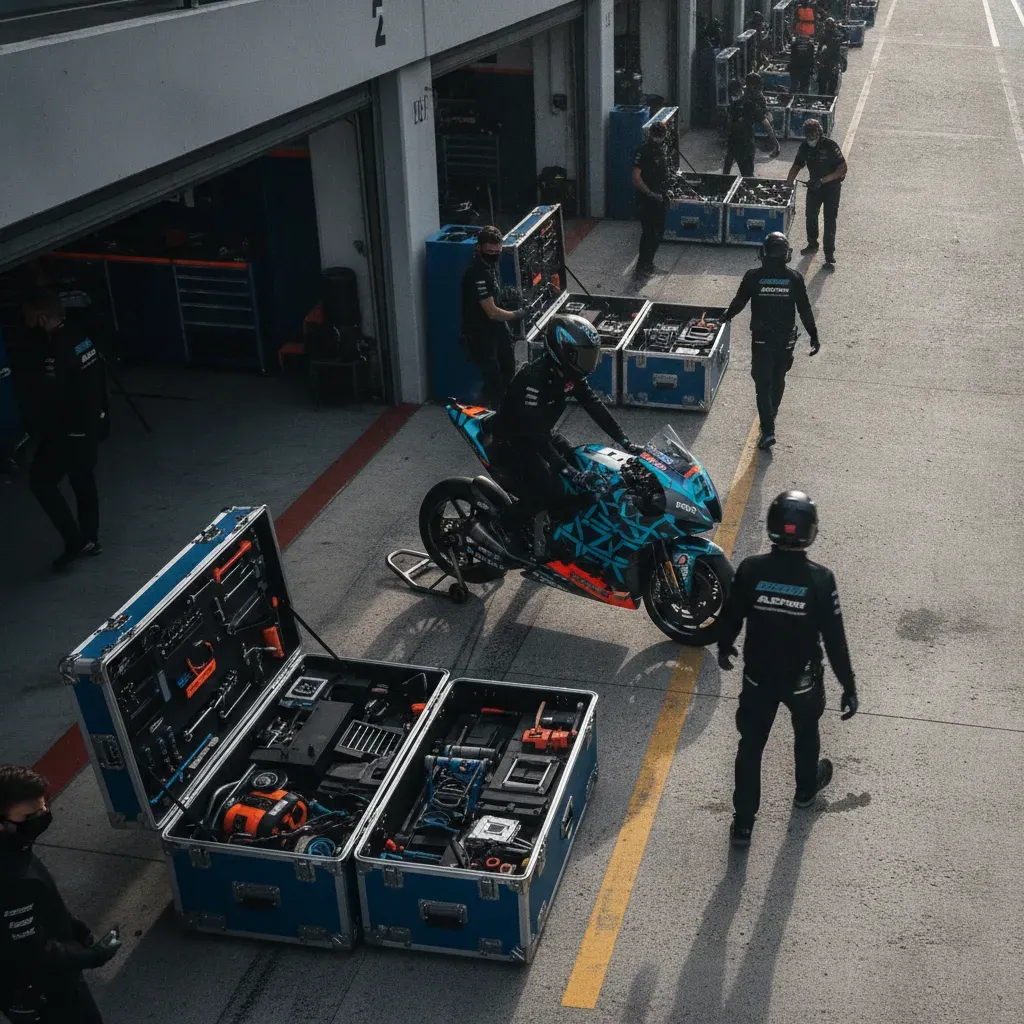
Think of a Team Manager as the director of a complex, high-speed orchestra. Their job is to oversee all aspects of the team’s operations, particularly during a race weekend. This involves managing logistics, personnel, and strategy to create an environment where the riders and engineers can perform at their peak.
They are the central point of communication. They liaise with the riders, the engineers, the mechanics, and the senior management back at the factory or headquarters. From ensuring the multi-million-pound motorbikes and tonnes of equipment arrive at the correct circuit on time, to managing the mood within the garage, their responsibilities are vast and varied.
Are they in charge of race strategy?
Yes, the Team Manager plays a key role in strategy, but it’s a team effort. They work very closely with each rider’s Crew Chief—the lead engineer responsible for that specific rider’s bike setup—as well as the riders themselves. Together, they analyse data and make critical decisions.
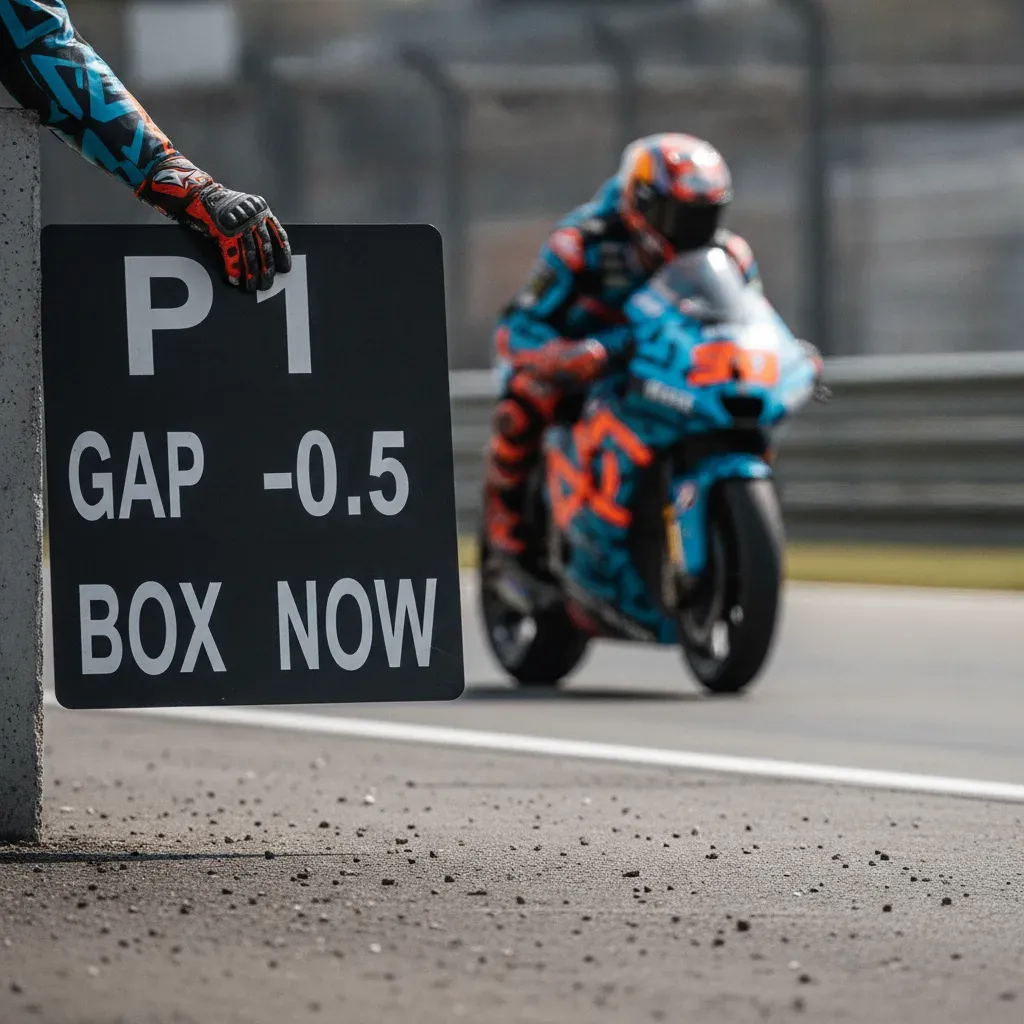
This includes choices about which tyres to use, when to pit if the weather changes, and what messages to send to the rider via their Pit boardA hand-held board teams hang out at the track wall to signal gaps and messages to their rider.Read the full guide →. While the Crew Chief focuses on the technical details of one bike, the Team Manager has an overview of the entire team, ensuring both riders have what they need and that the team’s overall objectives are being met.
How do they manage the people?
This is perhaps the most important part of the job. A MotoGP team is made up of dozens of highly skilled specialists, all working under immense pressure. The Team Manager is the leader who must guide this group, keeping morale high and ensuring everyone is focused on the same goal.
They handle everything from resolving disagreements between staff to providing a supportive ear for a rider who has had a difficult session. They are also deeply involved in the long-term planning for the team, which includes scouting, selecting, and negotiating contracts with riders and key technical staff. A good manager builds a team, not just for one race, but for future seasons.
What’s the difference between a Team Manager and a Team Principal?
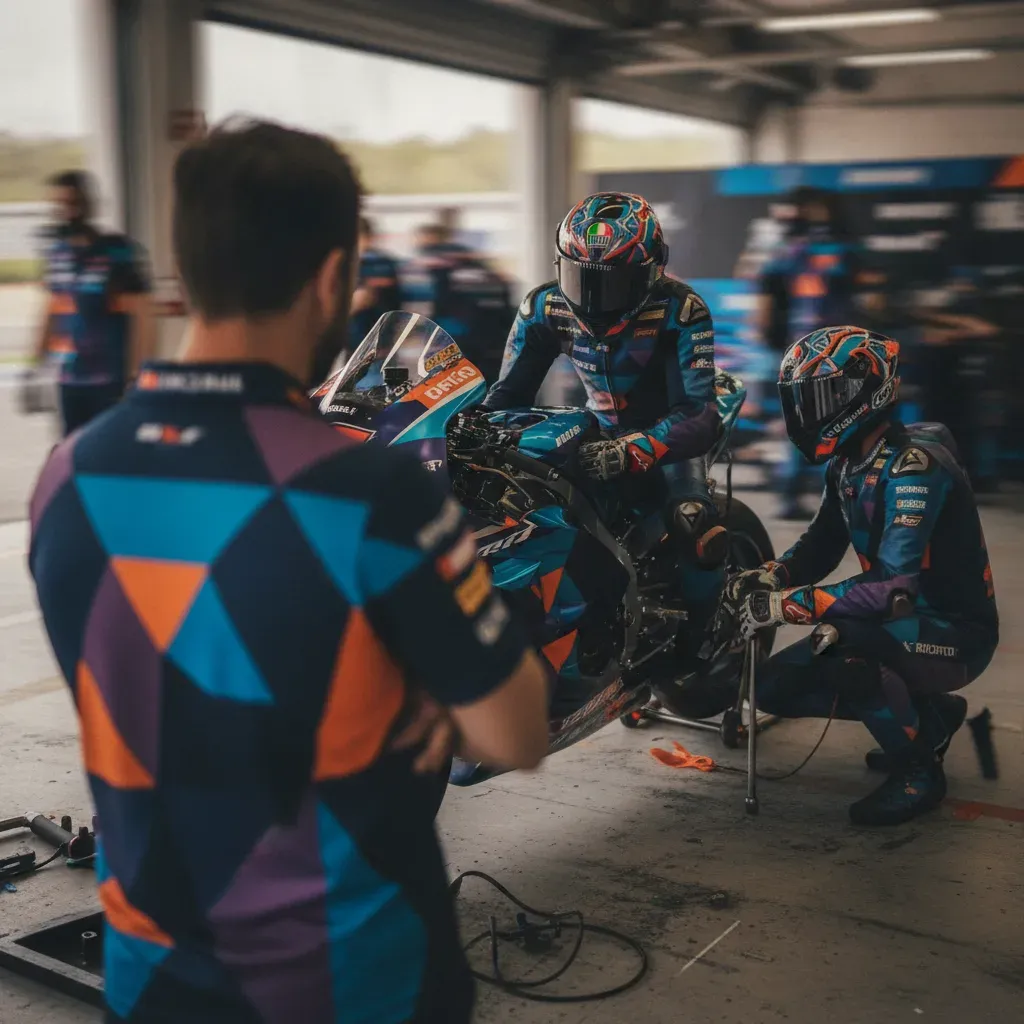
This can be a little confusing, as the terms are sometimes used interchangeably, and in smaller teams, one person might perform both roles. Generally, however, there is a distinction. The Team Manager is the on-the-ground operational boss, focused on the day-to-day running of the race team at the circuit.
The Team Principal or Team Director often has a broader, more corporate role. They typically deal with the bigger picture, such as managing relationships with major sponsors, negotiating with the championship organisers, and reporting to the board of the manufacturer (like Yamaha or Ducati). The Manager runs the race, while the Principal runs the business.
What makes a good Team Manager?
Successful Team Managers almost always have a deep background in motorsport. Many are former riders, mechanics, or engineers, which gives them an essential understanding of the technical and human challenges of racing at the highest level. This experience earns them the respect of the team.
Beyond that, they need to be exceptional leaders and communicators. The ability to stay calm and make clear, logical decisions in the heat of the moment is vital. They must also be incredibly organised to handle the immense logistical puzzle of moving a race team around the world for more than 20 race weekends a year.
Quick Takeaways
- The Team Manager is the operational leader of a MotoGP team, overseeing all activities at the race track.
- They work with engineers and riders on key strategic decisions like tyre choice and race plans.
- A huge part of their role is managing the team’s personnel, from mechanics to riders, to ensure a positive and effective working environment.
- They are different from a Team Principal, who typically focuses more on the commercial and corporate side of the team.
Quick questions
- Q.What is the main job of a MotoGP Team Manager?
- They oversee the entire race team's operations at the track, managing personnel, logistics, and race weekend strategy to ensure peak performance.
- Q.Does the Team Manager choose the riders?
- They are heavily involved in the process of scouting and selecting riders, working with upper management to build the strongest possible lineup for the team.
- Q.Is a Team Manager the same as a Crew Chief?
- No. A Crew Chief is the lead engineer for one specific rider, focusing on their bike's setup. The Team Manager oversees the entire team, including both riders and their respective crews.
- Q.Do Team Managers need a technical background?
- While not strictly required, most successful Team Managers have a deep technical understanding of motorsport, often coming from a background as a rider, mechanic, or engineer.