Tracks
Hungary Guide: A First Look at the NEW Hungarian GP
Your beginner’s guide to the brand new Hungarian GP! Explore the Balaton Park Circuit, what makes a new track a huge challenge, and what to watch for.
Independent fan site — not affiliated with MotoGP or MotoGP Sports Entertainment Group (formerly Dorna).
Hungarian Grand Prix
Balaton Park Circuit
MotoGP's newest venue, near the shores of Lake Balaton — a tight, twisty modern circuit the riders are still learning, which makes qualifying position and track knowledge extra valuable.
Schematic layout · not to scale
Watch how riders attack a track they barely know. With so little history here, tyre choice and bravery in the closing laps matter more than usual — small mistakes are common and positions swing late. Follow the leaders through the final sector.
Welcome to the Unknown: MotoGP Returns to Hungary!
In 2025, Grand Prix motorcycle racing returned to Hungary for the first time in over 30 years, at a brand-new, purpose-built track: the Balaton Park Circuit. It’s still one of the newest venues on the calendar, and a puzzle the riders and teams of MotoGP are still solving.
Unlike historic tracks with decades of data, everyone arrived at Balaton Park for its debut with a blank sheet of paper, and the teams still have far less information here than at almost any other circuit. This creates a level playing field where anything can happen, making it one of the most exciting and unpredictable events on the calendar.
Location, Location, Vacation?
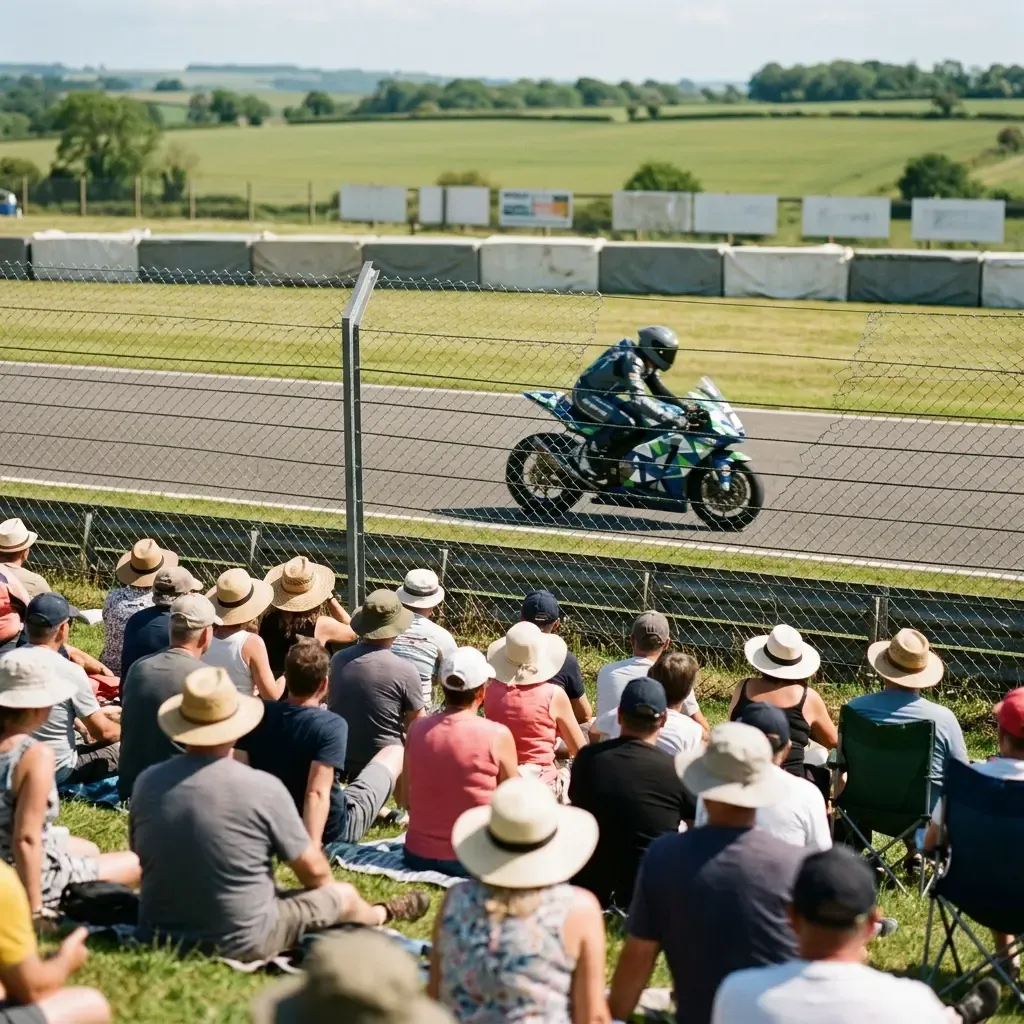
Nestled near the stunning Lake Balaton, Central Europe’s largest freshwater lake, the circuit is set in a popular holiday destination. Imagine the atmosphere: the roar of 1000cc prototype race bikes echoing across a region famous for its beautiful scenery, vineyards, and relaxed summer vibe.
This unique setting promises a Grand Prix experience unlike any other. Fans can combine the thrill of world-class racing with the charm of a European holiday spot, creating a truly memorable weekend for everyone, from hardcore fans to curious first-timers.
The Challenge of a Blank Slate
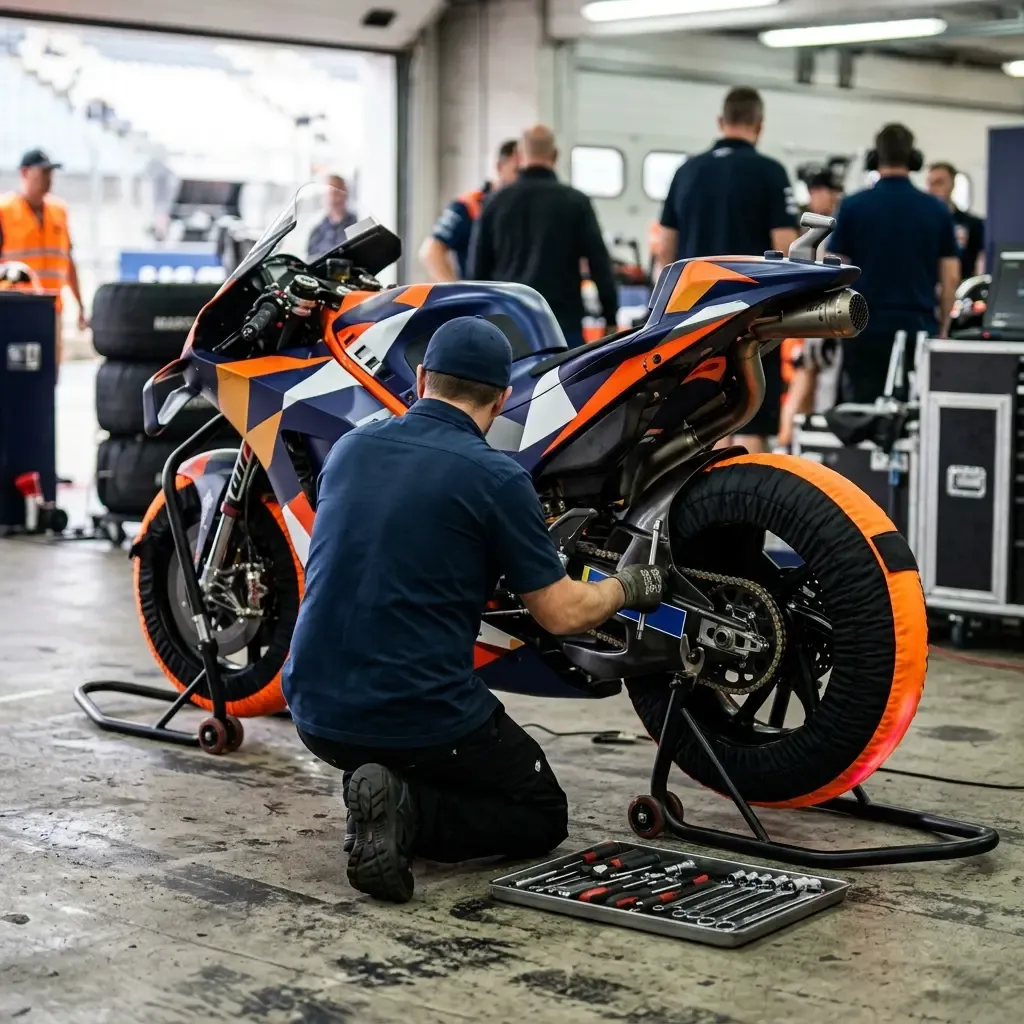
So, why is a new track such a big deal for multi-million-pound racing teams? It all comes down to one word: data. Teams spend years collecting information at every circuit on everything from gear ratios to tyre wear. This data helps them create the perfect bike setup – the precise adjustment of suspension, electronics, and WingletsSmall wings on the bodywork that create downforce to keep the front wheel down and improve stability.Read the full guide → to make the bike as fast as possible for that specific track.
When they arrive at a new circuit like Balaton Park, all that historical data is useless. The first PracticeSessions before qualifying where riders set up the bike; the top ten in Friday afternoon's Practice go straight to Q2.Read the full guide → sessions are a frantic scramble to learn the track’s secrets. Teams will work tirelessly, testing different settings to find a good balance, while riders push the limits to understand the grip levels and the best way through each of its 17 corners.
This lack of information can shake up the order. Teams who can adapt the quickest will have a huge advantage, and we might see some surprising names at the front of the pack.
Decoding Balaton Park: A Lap of the New Circuit
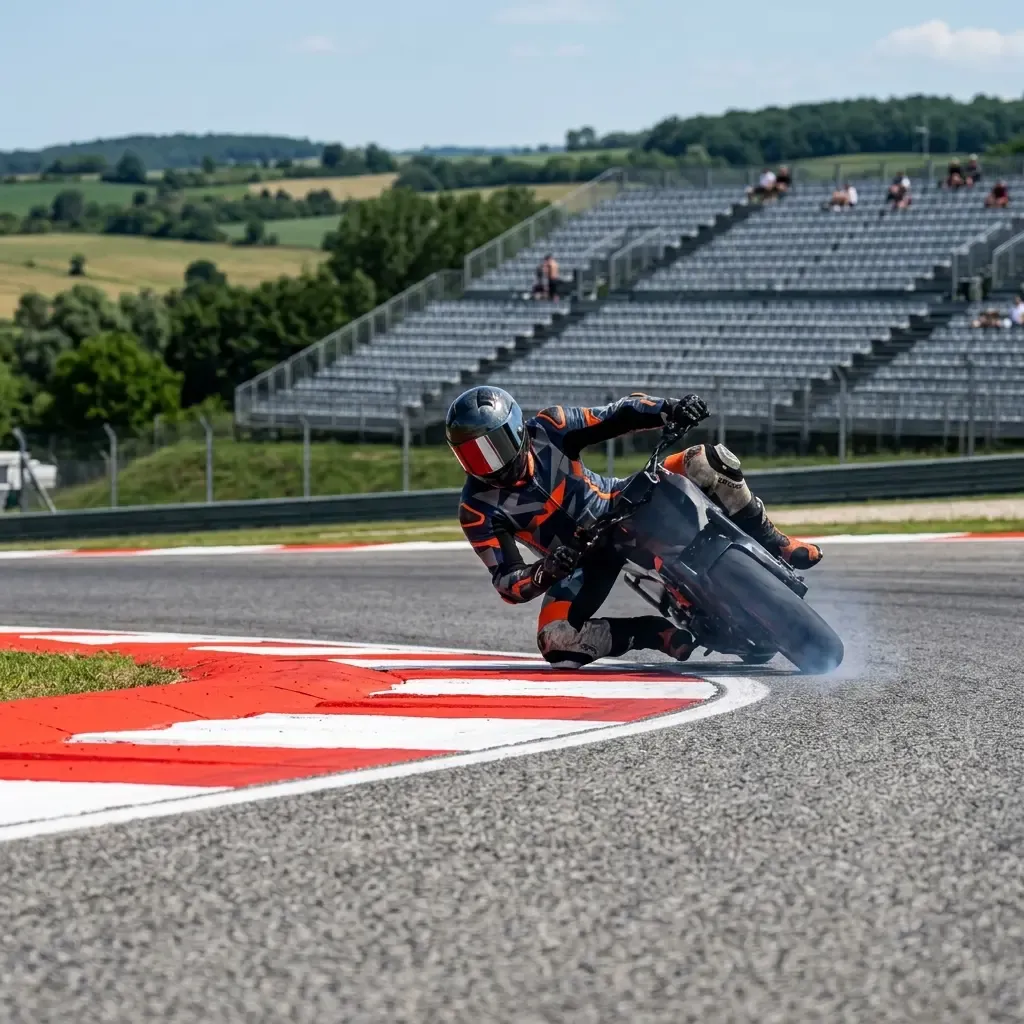
At 4.075 kilometres long, Balaton Park is a compact and technical circuit. One of its most defining features is that it runs anti-clockwise, the opposite direction to most tracks on the calendar. This can be physically demanding for riders, as their bodies are more used to the forces of turning right than left.
With 10 left-hand corners and only 7 right-handers, the left side of the tyres will be working much harder. Let’s look at a few sections that could become fan favourites.
Turn 1: The First Big Test
Races are often won and lost in the first corner. After a high-speed blast down the main straight, riders will have to brake incredibly hard for this tight right-hander. It’s a classic overtaking opportunity on the opening lap and throughout the race, but get it wrong, and you’ll run wide and lose a handful of places.
Turns 4 to 6: The Flowing Esses
This section is a beautiful, flowing sequence of left-right-left corners that will demand precision and rhythm. Riders will need to get their bike positioning just right to carry maximum speed through here. A small mistake in Turn 4 will compromise their line for 5 and 6, costing them precious time. It’s here that a rider’s pure skill will shine.
Turn 13: A Potential Overtaking Hotspot
This tight left-hand corner comes after a decent straight, providing another prime spot for a brave lunge under braking. Because it leads into a complex of slower corners before the final straight, getting a pass done here could be crucial for setting up a strong finish to the lap. Expect some late-braking heroics into this turn.
The Final Corner (Turn 17): A Drag to the Line
The last corner is a long, sweeping left-hander that slingshots riders onto the main straight. Getting a good exit here is everything. A rider who can get on the power early and keep the bike stable will be able to draft past a rival on the run to the finish line, making for some thrilling last-lap battles.
What to Expect on Race Day
With only a couple of races held here so far, the teams are still learning the circuit, but a pattern is clear. The technical, twisty nature of the circuit suggests that tyre management will be critical. The high number of left-handers will put enormous stress on the left side of the tyres, and riders who are too aggressive early on might find themselves struggling for grip in the final laps.
The relatively short straights might mean that pure Top speedThe fastest a bike goes on a lap, reached at the end of the longest straight — over 360 km/h at the quickest circuits.Read the full guide → is less important than agility and acceleration. Bikes that can change direction quickly and fire out of the slow corners could have an edge. This could favour certain manufacturers and riders over others, adding another layer of unpredictability to the weekend.
Tips for Your First Visit
Visiting one of the newest Grands Prix is a unique experience, and the event is still finding its feet, so be prepared for a few logistical learning curves. Arrive early to soak in the atmosphere and find a good viewing spot.
General Admission tickets often provide the freedom to explore different parts of the track. Walk the circuit perimeter during practice sessions to discover which corners offer the best views of the action. And most importantly, embrace the unknown – you’re witnessing history being made!
Quick Takeaways
- The Hungarian GP is at the brand-new Balaton Park Circuit, marking MotoGP’s return to the country after more than 30 years.
- As one of the newest tracks, teams have far less data here than elsewhere, making bike setup a huge challenge and potentially shaking up the usual order.
- The circuit runs anti-clockwise and features 17 technical corners, which will be demanding on riders and the left side of the tyres.
- Key overtaking spots will likely be the heavy braking zones into Turn 1 and Turn 13.
- The location near Lake Balaton offers a unique chance to combine a world-class sporting event with a holiday atmosphere.