// Jargon Buster
What is a Test Rider in MotoGP?
A MotoGP test rider is a highly skilled racer who develops the team's motorcycle, testing new parts and settings away from the pressure of a race weekend.
Independent fan site — not affiliated with MotoGP or MotoGP Sports Entertainment Group (formerly Dorna). Written by AI from official data and fact-checked: how this article was made.
On this page · 7 sections
Test Rider: A highly skilled rider employed by a MotoGP team to develop and improve the motorcycle away from race weekends.
When you watch a MotoGP race, you see the incredible skill of the riders on the grid. But behind every successful rider and bike is a team of engineers and, crucially, an unsung hero working in the background: the test rider.
These riders are the secret weapon in a team’s arsenal, doing the vital but unglamorous work that leads to race wins and championships. Let’s break down what they do and why they are so important.
Who are test riders?
Test riders are not junior riders learning the ropes. They are typically hugely experienced racers, often former full-time MotoGP riders or champions from other top-level series like World Superbikes.
While they are incredibly fast — often capable of lap times that would place them high up on the grid — their most valuable skills are their sensitivity and ability to communicate. They need to feel tiny changes in the bike’s behaviour and translate those feelings into precise, technical feedback that engineers can use to make improvements.
Their job is less about a single blistering lap and more about consistency over hundreds of laps, providing clear data lap after lap. An analytical mind is just as important as a fast right wrist.
What do test riders actually do?
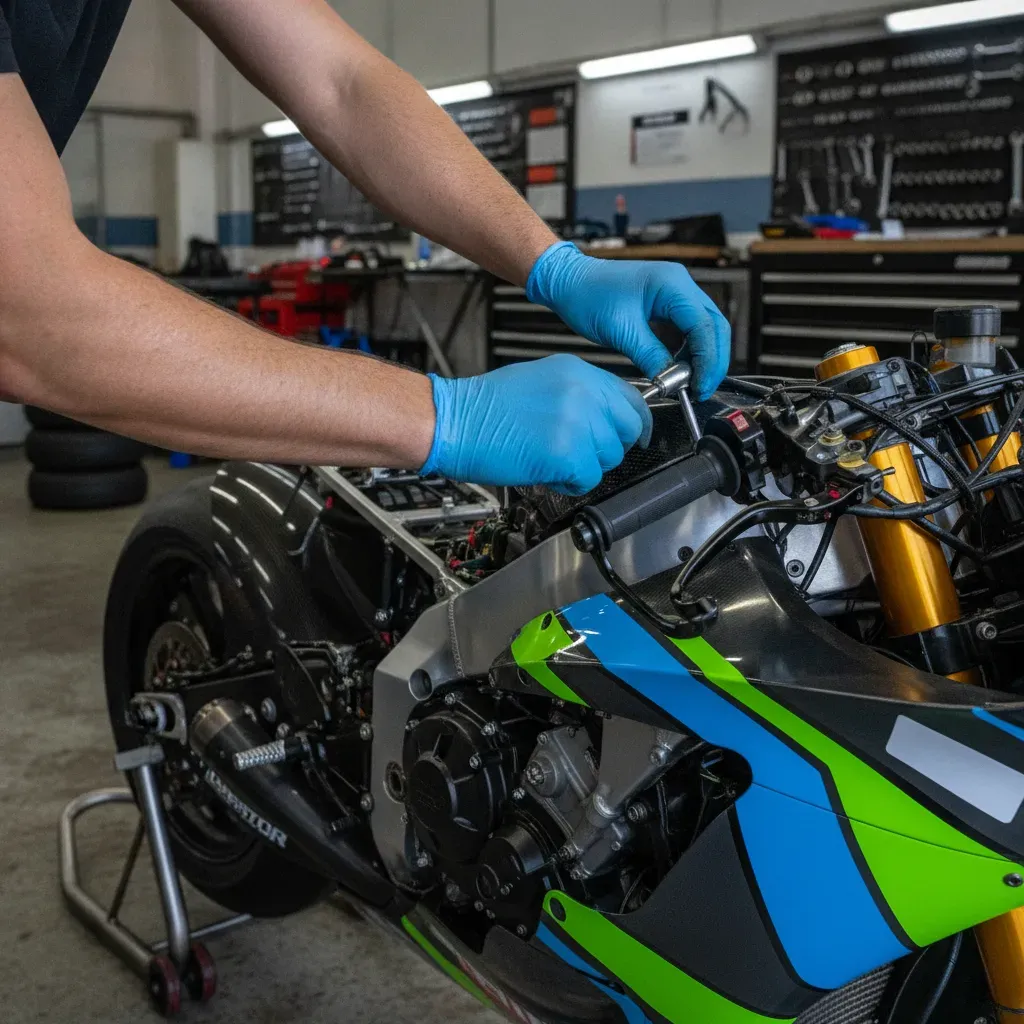
The main job of a test rider is to spend long days at a race track, far from the crowds and cameras of a Grand Prix weekend, putting a MotoGP bike through its paces. This is where the hard work of development happens.
Engineers will give them new parts to try — a new chassis (the bike’s main frame), different aerodynamic WingletsSmall wings on the bodywork that create downforce to keep the front wheel down and improve stability.Read the full guide →, updated engine components, or new electronic software. The test rider’s job is to ride with these new parts and report back on whether they are an improvement.
They might spend a whole day testing just one component, comparing it back-to-back with the old version to give the team a clear direction. They also work on finding a good ‘base setup’ for the bike, a starting point that the race riders can then fine-tune during a race weekend.
Why can’t the main race riders do all the testing?
This is a common question. The simple answer is that they are not allowed to. MotoGP has strict rules that limit the number of days a full-time race rider can test their bike. This is to help control costs and prevent bigger, wealthier teams from gaining an unfair advantage by testing constantly.
Race weekends themselves are also far too hectic for proper development. Riders and teams only have four short PracticeSessions before qualifying where riders set up the bike; the top ten in Friday afternoon's Practice go straight to Q2.Read the full guide → sessions to learn the track, find a good setup for the race, and qualify as high as possible. There simply isn’t time to be testing a radical new frame or engine part that might not work.
Furthermore, testing new, unproven parts carries a risk. A team cannot afford to have its star rider injured in a crash during a private test. It’s much safer to let the test rider iron out any potential problems first.
When will I see a test rider in action?
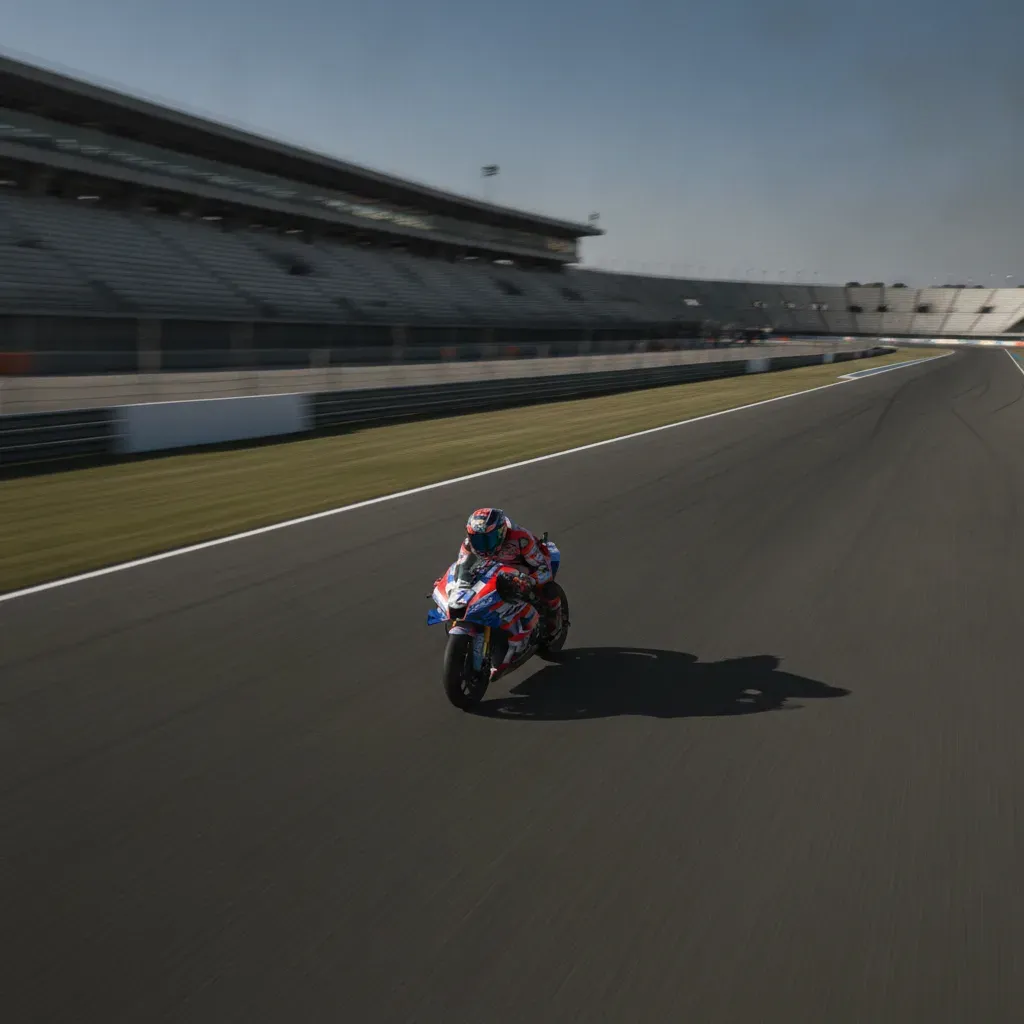
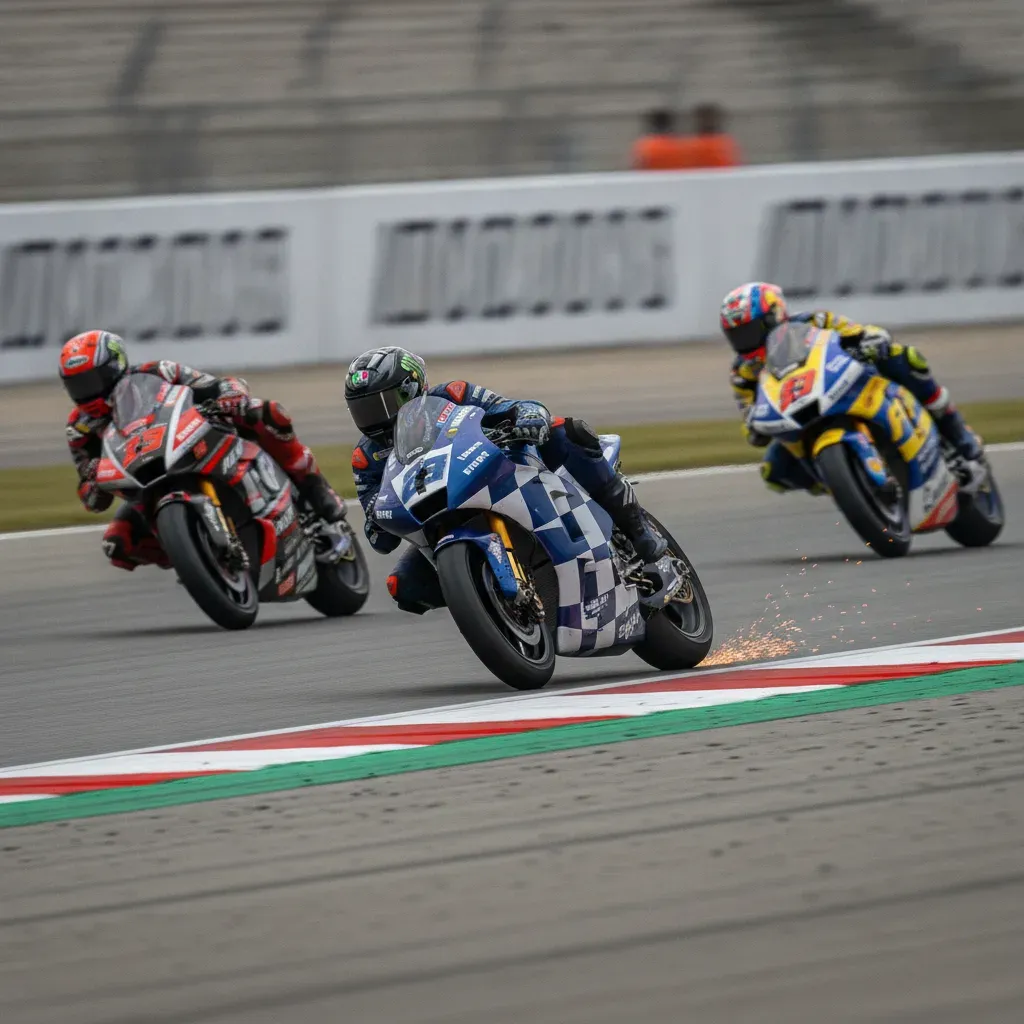
Although most of their work is done in private, you will see test riders on track at certain times. They participate in the official pre-season and mid-season tests, riding alongside the full-time grid.
Teams are also allowed a small number of ‘wildcard’ entries per season. This means they can enter their test rider into a real Grand Prix. It’s a fantastic opportunity for the team to test new components in the heat of battle and see how they perform against the competition.
You will also see a test rider step in as a replacement if one of the team’s regular riders is injured and unable to race. This is where having a fast, experienced test rider who is familiar with the bike becomes invaluable.
How important is a good test rider?
They are absolutely vital to a team’s success. A manufacturer’s journey from the back of the grid to the front can often be traced back to hiring a top-tier test rider who helped guide the bike’s development.
Without their tireless work behind the scenes, the race riders would not have a competitive machine to fight for victories on a Sunday. They are the ones who try the risky ideas and do the repetitive work, all to make the bike a fraction of a second faster. They are truly the unsung heroes of the MotoGP PaddockThe fenced-off working area behind the pits where teams, hospitality and motorhomes are based.Read the full guide →.
Quick Takeaways
- Test riders are elite, experienced racers who develop the MotoGP bike at private tests.
- Their main role is to try new parts and provide clear, technical feedback to engineers.
- Full-time race riders have their testing time strictly limited by the rules, making the test rider’s job essential.
- Test riders sometimes compete in races as ‘wildcard’ entries or as injury replacements.
Quick questions
- Q.Are test riders as fast as race riders?
- They are incredibly fast, often ex-racers themselves. While their focus is on feedback, not just lap times, many can match the pace of the full-time grid during testing.
- Q.Do test riders get to race in MotoGP?
- Yes, sometimes. Teams can enter them as 'wildcards' in a few races per year to test parts in a race environment, or they might step in to replace an injured rider.
- Q.How many test riders does a team have?
- A factory team will typically have one or two official test riders dedicated to its development programme, working alongside a wider test team in Europe and Japan.
- Q.Why don't the main riders do more testing?
- Regulations strictly limit the number of days full-time riders can test to control costs and keep competition fair. It also helps reduce the risk of injury outside of a race weekend.