Jargon Buster
What is a Highside Crash?
A highside is a common and often dramatic type of motorcycle crash where the rear wheel suddenly regains grip, violently throwing the rider over the bike.
Independent fan site — not affiliated with MotoGP or MotoGP Sports Entertainment Group (formerly Dorna).
HighsideA violent crash where the sliding rear tyre suddenly grips again and flicks the rider up and over the top of the bike.Read the full guide →: A type of motorcycle crash where the rear wheel suddenly regains grip, violently flipping the bike and throwing the rider up and over the top of it.
If you watch MotoGP for more than a couple of races, you will almost certainly hear the commentators mention the word ‘highside’. It’s used to describe one of the most spectacular and dangerous types of crash a rider can have, where they are launched into the air with incredible force.
Understanding what a highside is, and why it happens, is key to appreciating the immense skill of the riders and the knife-edge on which they operate every single lap.
What actually happens during a highside?
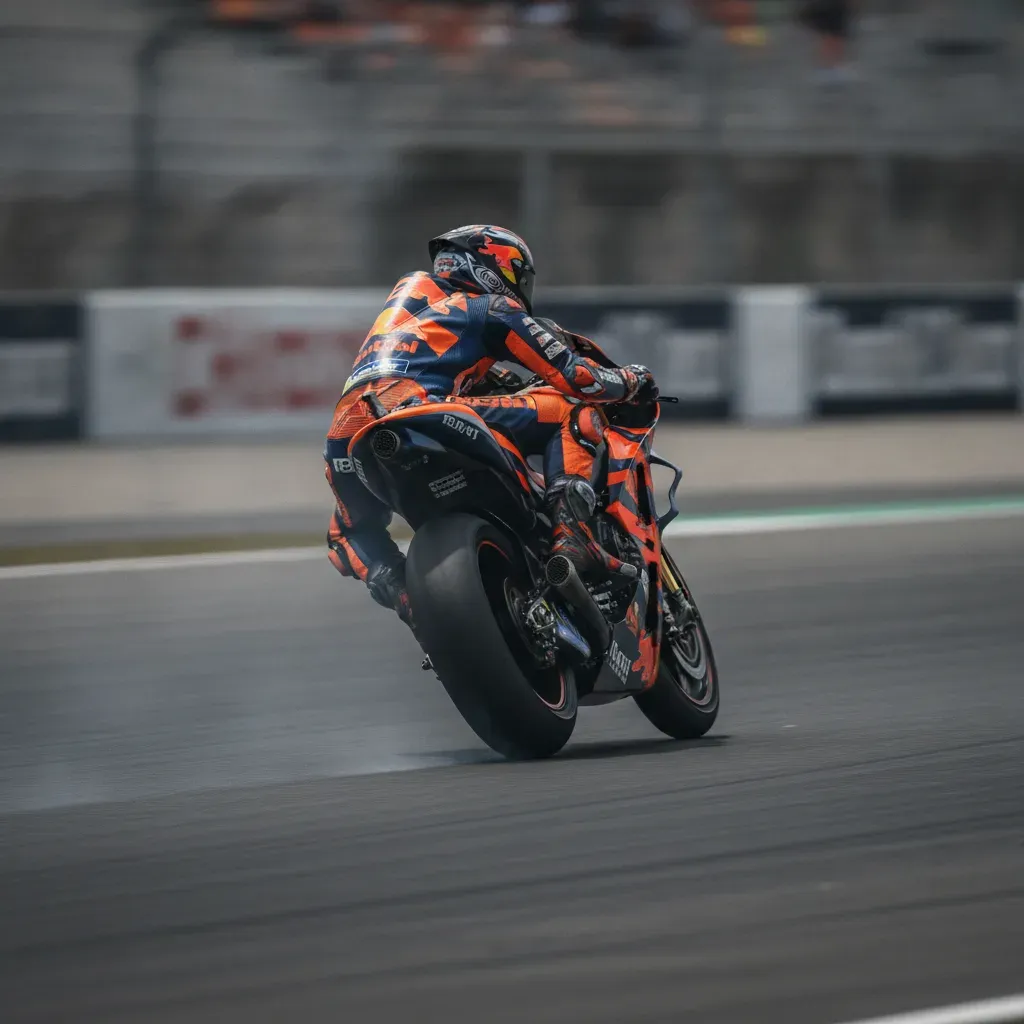
A highside crash happens in a few distinct, lightning-fast stages. It almost always begins as a rider is accelerating out of a corner, with the bike still leaning over at a significant angle.
The rider applies a little too much power through the throttle. This causes the rear tyre to lose its grip on the tarmac and start to spin, sliding sideways. This initial loss of traction is actually quite common, and riders often control it with tiny adjustments.
The problem occurs when the sliding rear tyre suddenly finds grip again. As the tyre grabs the track surface, the bike’s suspension, which was compressed by the cornering forces, violently snaps back. This combination of sudden grip and suspension rebound acts like a catapult, launching the unsuspecting rider upwards and forwards, over the ‘high side’ of the motorcycle.
Why is a highside so dangerous?
The sheer violence of the crash is what makes a highside so feared. Unlike other crashes where a rider might slide along the ground, a highside ejects them into the air, often several feet high. They have no control over how they will land.
This means a high impact with the ground is almost guaranteed, leading to a high risk of injuries like broken collarbones, wrists, and legs. Furthermore, the rider can be hit by their own tumbling motorcycle, which weighs a minimum of 157 kg and can be travelling at immense speed.
Even for the world’s best riders, a highside is a brutal experience that can end a race weekend, or even a championship campaign, in an instant.
Is this different from a ‘lowside’ crash?
Yes, and it’s a very important distinction. While a highside is caused by the rear tyre regaining grip, a ‘lowside’ is much simpler. A lowside happens when either the front or rear tyre loses grip and never gets it back.
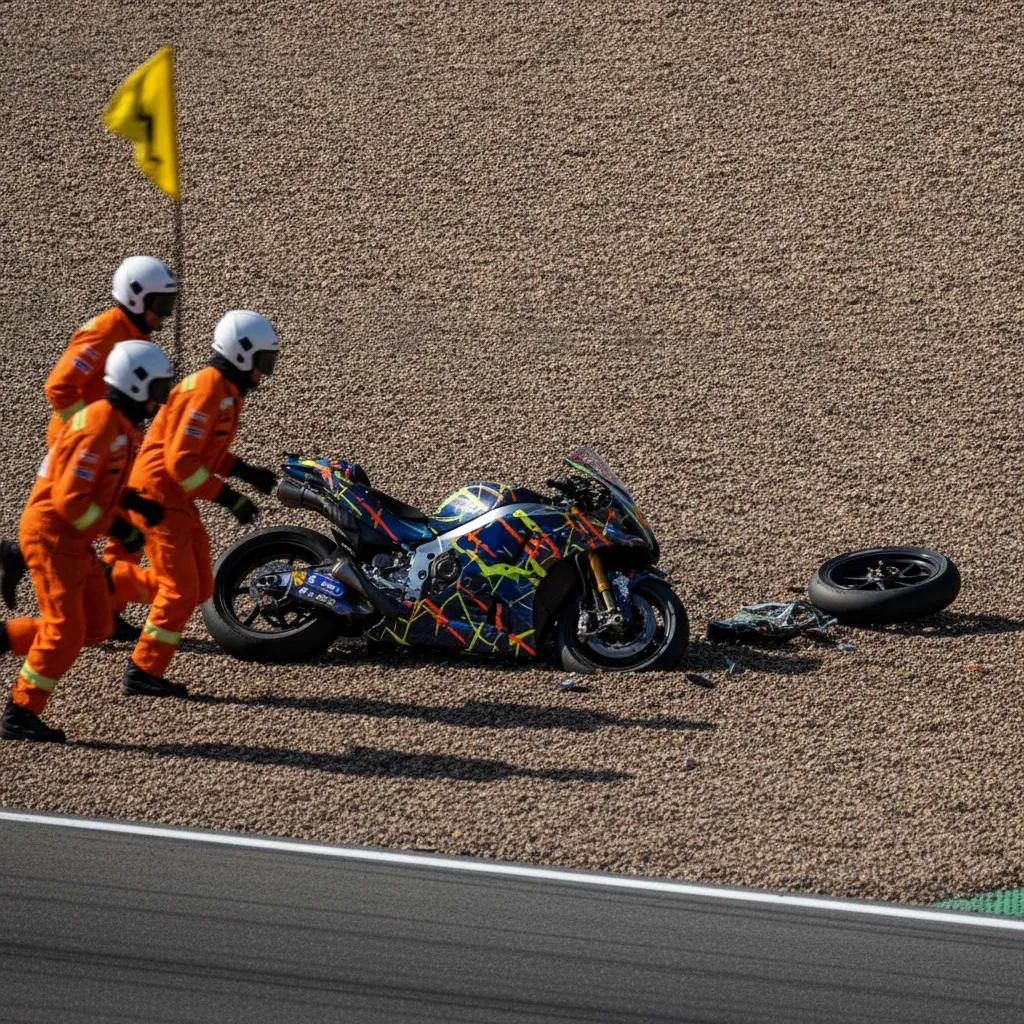
The bike simply slides out from underneath the rider, who falls to the inside of the corner (the ‘low side’) and slides along the track. While no crash is good, lowsides are generally much less violent and result in fewer serious injuries. The rider slides with the bike rather than being thrown from it.
Can modern electronics prevent highsides?
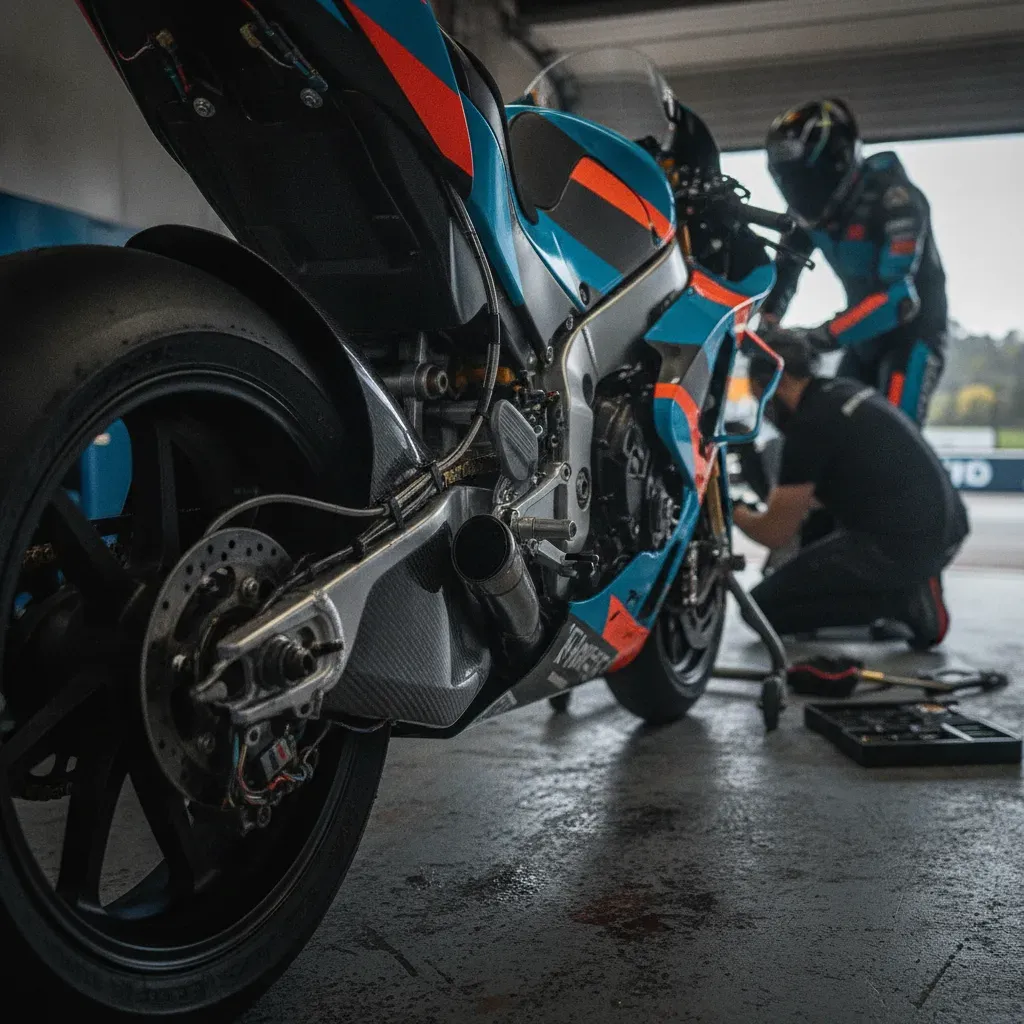
Modern MotoGP bikes are packed with incredibly sophisticated electronics designed to make them safer and faster. The most important system for preventing highsides is traction control.
Traction control uses sensors to detect when the rear wheel is spinning faster than the front wheel (a sign it has lost grip). When it detects a slide, the system instantly reduces the engine’s power to help the tyre regain grip in a controlled way, preventing the sudden ‘snap’ that causes a highside.
However, these systems aren’t foolproof. Riders can adjust the level of intervention, and a lower setting gives more performance but carries more risk. Sometimes, a sudden change in the track surface or tyre temperature can still catch both the rider and the electronics by surprise. So, while much rarer than in previous eras, the highside remains a constant threat.
Quick Takeaways
- A highside happens when a sliding rear tyre suddenly regains grip, catapulting the rider into the air.
- It is one of the most violent and dangerous types of crash in motorcycle racing due to the high impact with the ground.
- It is different from a ‘lowside’, where the bike simply loses grip and slides out from underneath the rider.
- Modern electronics like traction control help to prevent highsides, but they cannot eliminate the risk completely.
Quick questions
- Q.What's the main difference between a highside and a lowside crash?
- A highside is caused by a sliding rear tyre suddenly regaining grip, which violently throws the rider. A lowside is caused by a tyre losing grip and not regaining it, causing the bike and rider to slide along the ground.
- Q.What causes a highside crash in MotoGP?
- The primary cause is applying too much throttle while the bike is leaning in a corner. This makes the rear tyre lose traction and slide, and if it suddenly grips again, the bike's suspension reaction launches the rider.
- Q.Are highsides common in modern MotoGP?
- They are much less common than in the past, thanks to advanced traction control systems. However, they still happen when riders are pushing the limits or are caught out by conditions.
- Q.Can a rider save a potential highside?
- It is extremely difficult, but highly skilled riders can sometimes control a rear-wheel slide and prevent it from developing into a highside. This requires incredible reflexes and feel for the motorcycle.