// Beginner Guides
More Than Just Racing: Understanding Rivalries in MotoGP
Rivalries in MotoGP are more than just on-track battles; they are complex relationships born from championship fights, personality clashes, and intense ambition.
Independent fan site — not affiliated with MotoGP or MotoGP Sports Entertainment Group (formerly Dorna). Written by AI from official data and fact-checked: how this article was made.
On this page · 5 sections
When you first start watching MotoGP, the speed is what grabs you. Seeing riders lean at impossible angles, hitting over 220 mph on the straights, is an incredible spectacle. But as you watch more, you’ll notice something else: the human drama. At the heart of that drama are the rivalries.
These aren’t just about two riders who happen to be fast at the same time. A true MotoGP rivalry is a story that unfolds over weeks, months, or even years. It adds a layer of tension and excitement that transforms a simple race into a must-see event, giving fans a compelling reason to cheer for one rider and against another.
What makes a MotoGP rivalry?
A rivalry is more than just competition; it’s personal. It’s born when two or more riders consistently find themselves fighting for the same piece of tarmac, the same race win, or the same world championship. It becomes the dominant story of a race weekend or even an entire season.
These battles are fought as much in the mind as they are on the track. They involve intense respect for a competitor’s skill, but also an obsessive desire to beat that specific person. Every move is scrutinised, every comment to the media is analysed, and every on-track encounter feels like a chapter in a much larger story.
Where do rivalries come from?
Rivalries can ignite for several reasons, and often it’s a combination of factors that turns a simple contest into a legendary feud.
One of the most common sources is a season-long fight for the championship. When the title is on the line, every single point matters. The pressure builds with every race, and the two main contenders become hyper-focused on each other. A small mistake or a tough overtake can easily escalate tensions.
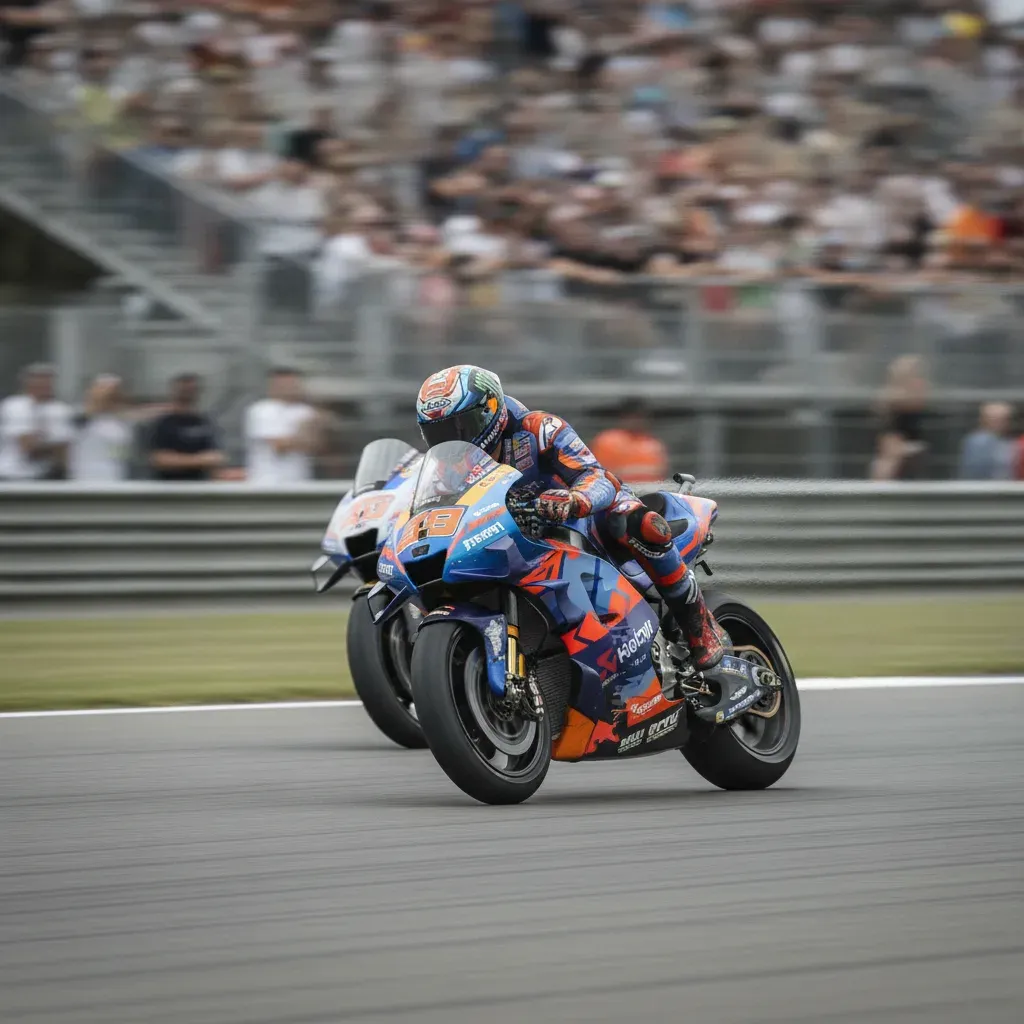
On-track incidents are another major catalyst. A particularly aggressive pass, known as a ‘block pass’ where a rider uses their bike to block the path of another in a corner, or an accidental collision can create bad blood that lingers. What one rider sees as a fair, hard move, the other might see as disrespectful or dangerous, and a rivalry is born from that disagreement.
Sometimes, it’s simply a clash of personalities. MotoGP attracts a wide range of characters. Some riders are cool, calm, and analytical, while others are fiery, passionate, and wear their hearts on their sleeves. When these opposing approaches to racing meet on the track, it can create a fascinating dynamic that fans love to follow.
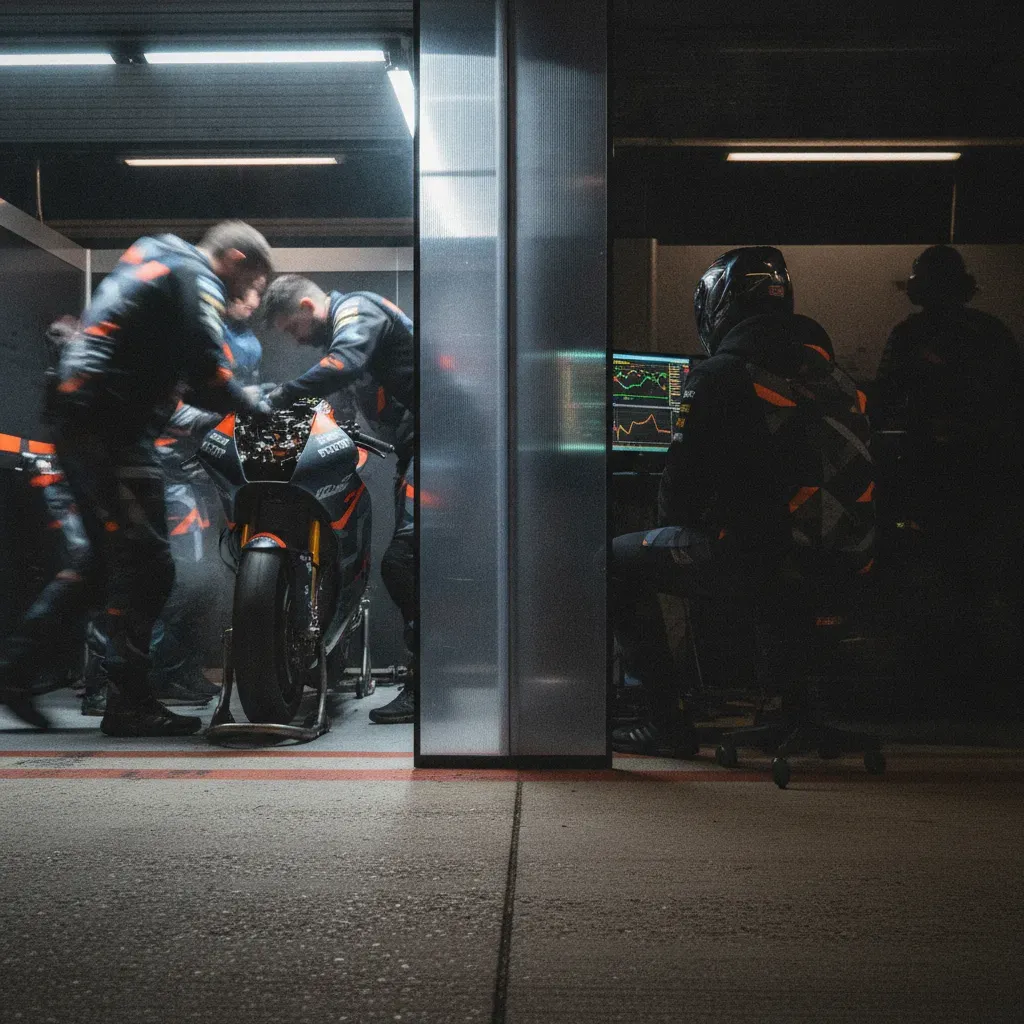
Perhaps the most intense rivalries happen between teammates. Your teammate is the only other rider on the grid with the exact same motorcycle, making them your perfect benchmark. The first person you want to beat is always the one on the other side of your garage, and this internal competition can create a very frosty atmosphere within a team.
Why are rivalries so important for the sport?
Rivalries are the heartbeat of MotoGP. They create narratives that draw people in. It’s easier for a newcomer to connect with the sport when there’s a clear story of ‘hero versus villain’ – though who fills which role is entirely up to your personal favourite!
These dynamics also push the riders to new heights. Having a singular rival to focus on can be an incredible motivator, forcing a rider to dig deeper, train harder, and take risks they might not otherwise consider. Some of the greatest performances in the history of the sport have been the direct result of one rider trying to get the better of another.
The media plays a huge role, too. Press conferences can become a battleground for psychological warfare, or ‘mind games’. A carefully chosen word or a subtle dig at a competitor can be used to apply pressure before the bikes have even left the Pit laneThe slow lane beside the track where teams work on the bikes and riders enter and exit.Read the full guide →. This adds to the drama and gives fans and journalists plenty to talk about all weekend.
At the end of the day, while the tension is real, so is the respect. These riders know they are risking everything every time they go out on track. While they may not like each other, there is almost always a deep, professional respect for their rival’s talent and bravery. They are all part of an exclusive club, and they know the skill it takes to compete at this level.
Quick Takeaways
- Rivalries are personal, long-running battles between riders, not just one-off races.
- They can start from championship fights, on-track incidents, personality clashes, or intense teammate competition.
- These stories are vital for the sport, creating excitement for fans and pushing riders to achieve more.
- While the tension is real, there is an underlying professional respect between competitors for the skill and risk involved.
Quick questions
- Q.Are MotoGP rivalries real or just for the media?
- They are very real. While the media can amplify them, the intense desire to win and the on-track battles are genuine. The riders are competing at the highest level, and the competitive spirit is authentic.
- Q.Can teammates be rivals?
- Absolutely. A rider's teammate is often their biggest rival because they have the same motorcycle, making them the perfect benchmark. These internal team rivalries can be some of the most intense in the sport.
- Q.Do rivalries ever become dangerous?
- MotoGP is an inherently dangerous sport, and while rivalries add intensity, riders have huge respect for each other's safety. The FIM MotoGP Stewards, the sport's panel of referees, step in to penalise any riding that crosses the line from hard racing into dangerous behaviour.
- Q.How long do rivalries usually last?
- Some last for a single, intense championship season, while others can span many years, even a rider's entire career. They often evolve as riders change teams or as new competitors emerge.