Beginner Guides
MotoGP Manufacturers Explained
Discover the key manufacturers in MotoGP, their role in developing the sport's incredible technology, and the difference between factory and satellite teams.
Independent fan site — not affiliated with MotoGP or MotoGP Sports Entertainment Group (formerly Dorna). Written by AI from official data and fact-checked: how this article was made.
When you’re new to MotoGP, the riders in their colourful leathers are the stars of the show. But behind every rider is a monumental engineering effort from some of the world’s most famous motorcycle manufacturers. This isn’t just a sport of rider versus rider; it’s a high-stakes battle of brand versus brand.
Understanding the role of these manufacturers, or ‘factories’, is key to appreciating the technological chess match that unfolds every race weekend. They are the ones who design, build, and develop the incredible machines that power the premier class.
What is a ‘factory’ in MotoGP?
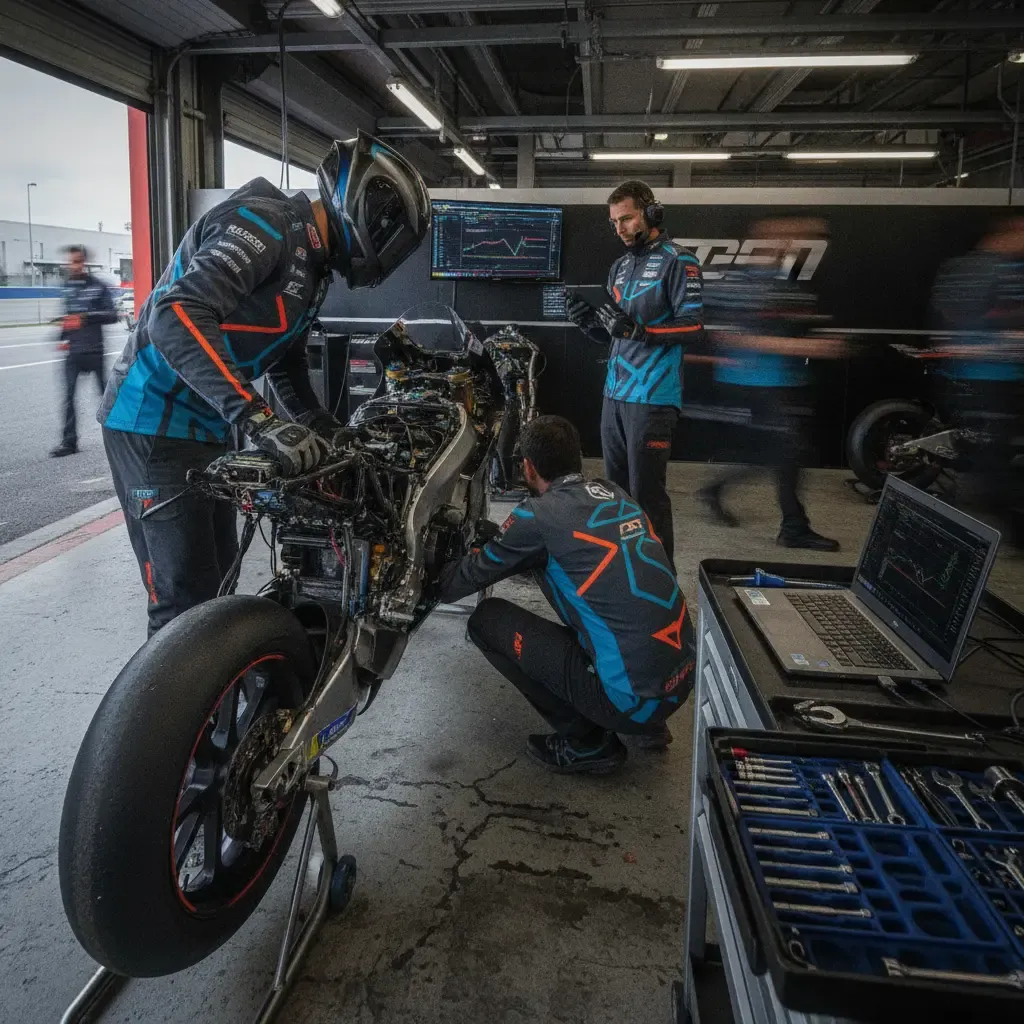
A ‘factory’ is simply the term we use for a manufacturer that builds bikes to compete in MotoGP, such as Ducati, Yamaha, or KTM. The bikes they create are ‘prototypes’, meaning they are one-of-a-kind machines engineered exclusively for racing and packed with technology you won’t find on road bikes.
These motorcycles are built from the ground up to be as fast, light, and powerful as possible, pushing the boundaries of engineering. The factories are in a constant race to innovate, developing everything from the engine and chassis to the complex electronics and WingletsSmall wings on the bodywork that create downforce to keep the front wheel down and improve stability.Read the full guide → that help the bikes stick to the track at incredible speeds.
How do factory and satellite teams work?
On the MotoGP grid, you will see multiple bikes from the same manufacturer, but they aren’t all part of the same team. They are split into two main types: factory teams and satellite teams.
A factory team is the official works outfit, run directly by the manufacturer itself. These teams, like the Ducati Lenovo Team or Red Bull KTM Factory Racing, get the very latest technology, direct engineering support from the factory, and typically have the largest budgets.
A satellite team (sometimes called an independent team) is a separate organisation that leases motorcycles from a factory. While they get fantastic support, their bikes are often one step behind the latest factory specification. They play a vital role, helping manufacturers gather more data and acting as a training ground for up-and-coming riders.
Who are the main manufacturers in MotoGP?
As of the 2026 season, five major manufacturers are competing for glory. Each has its own unique history, engineering philosophy, and on-track behaviour.
Ducati (Italy): The dominant force of the modern era, the famous Italian brand from Bologna has set the standard for performance. Known for its powerful V4 engine and pioneering work in aerodynamics (the wings and fins you see on the bikes), Ducati supplies bikes to more teams than any other factory. They have secured the riders’ championship every year from 2022 to 2025.
Aprilia (Italy): Another iconic Italian brand, Aprilia has become a consistent front-runner in recent years. Their V4-powered RS-GP machine is praised for its excellent handling and balance. With a strong factory team and the American SuperFile Trackhouse MotoGP Team as its satellite partner, Aprilia is a major threat for race wins.
KTM (Austria): The Austrian manufacturer brings an aggressive, ‘Ready to Race’ attitude to the grid. KTM is unique in using a steel trellis frame for its RC16 bike, a design choice that sets it apart from its rivals. With top riders like Brad Binder and the exciting Pedro Acosta, KTM is always a favourite to watch.
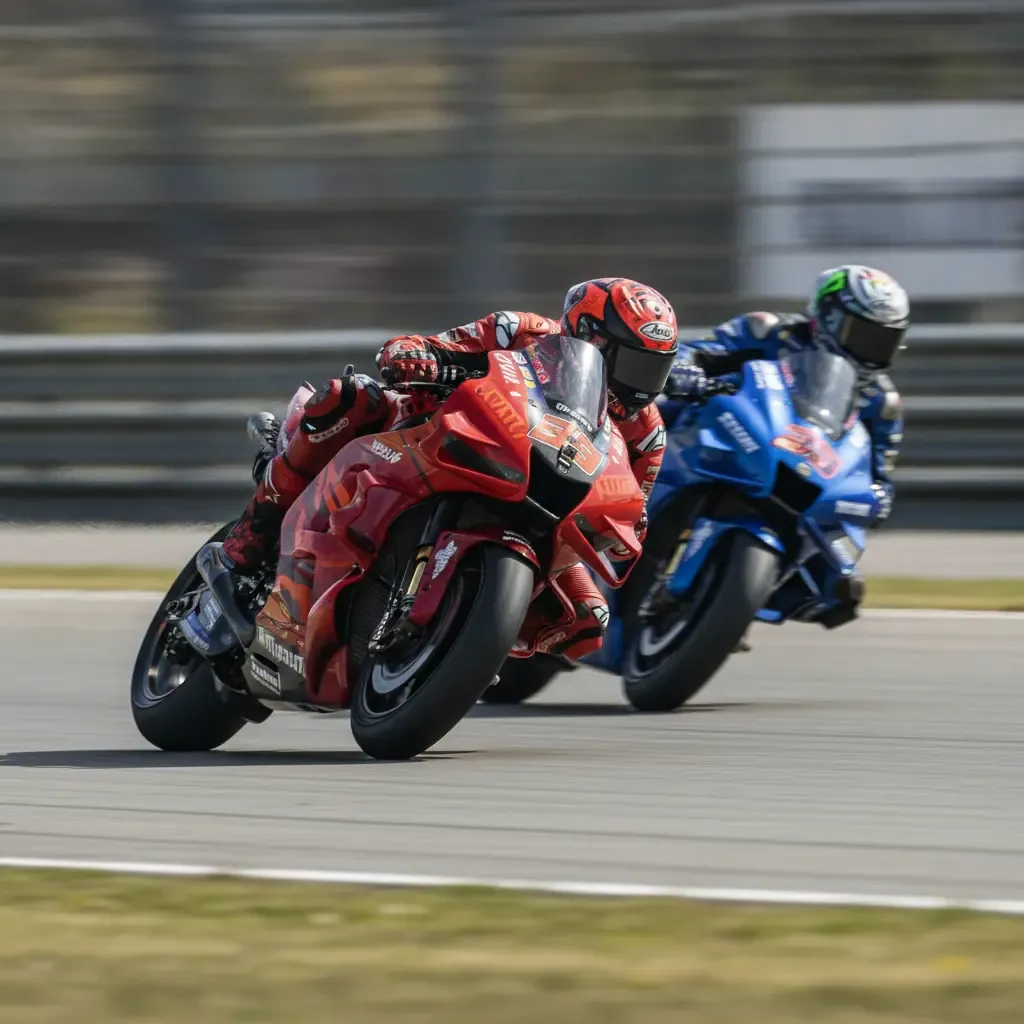
Yamaha (Japan): A legendary name in Grand Prix racing, Yamaha has a rich history of success. Their YZR-M1 bike is traditionally known for its sweet, balanced handling and smooth inline-four engine, making it very rider-friendly through corners. After a tough period, the Japanese giant is fighting back, having run a satellite team again since 2025.
Honda (Japan): As the most successful manufacturer in premier-class history, Honda is a titan of the sport. The Japanese company powered Marc Marquez to six of his premier-class world titles. While currently in a rebuilding phase to return to the top, their engineering prowess and determination mean they can never be counted out.
What is the Constructors’ Championship?
Alongside the riders’ title, all the manufacturers are fighting for the prestigious Constructors’ Championship. This is the prize that proves which factory built the best overall motorcycle for that season.
It works simply: after each Grand Prix, points are awarded only to the highest-finishing rider for each manufacturer. For example, if Ducati bikes finish first, third, and fifth, only the 25 points for first place are added to Ducati’s tally for this championship.
Winning this title is a massive point of pride and a powerful marketing tool. It’s a direct measure of engineering excellence and the ultimate bragging right in the Pit laneThe slow lane beside the track where teams work on the bikes and riders enter and exit.Read the full guide →.
Quick Takeaways
- MotoGP is a battle between five major manufacturers: Ducati, Aprilia, KTM, Yamaha, and Honda.
- The bikes are unique ‘prototypes’ built purely for racing, not for public sale.
- Each manufacturer runs a main ‘factory team’ with the latest bikes and supports independent ‘satellite teams’ who lease their machinery.
- Alongside the riders’ title, factories compete for the Constructors’ Championship, which rewards the manufacturer with the most successful bike over the season.
Quick questions
- Q.Can I buy a real MotoGP bike?
- No, you cannot. MotoGP bikes are priceless, one-of-a-kind prototypes built exclusively for racing and are not for sale to the public. The technology is top secret and owned by the manufacturers.
- Q.Why do some manufacturers have more bikes on the grid than others?
- Supplying bikes to satellite teams is a strategic decision. It allows a manufacturer to gather more on-track data, helps develop young riders, and provides a valuable revenue stream. Ducati currently has the largest presence on the grid.
- Q.Which manufacturer is the best in MotoGP?
- This changes over time as technology develops. In recent years, Ducati has been the most successful manufacturer, winning multiple riders' and constructors' championships. However, all five factories are highly competitive.
- Q.Do riders stay with one manufacturer their whole career?
- It's very rare. Most riders move between manufacturers during their careers. For example, reigning champion Marc Marquez won six of his titles with Honda before moving to a Ducati to win his most recent one.