Tracks
Brazil Track Guide: A Beginner’s View of the Returning GP
Your jargon-free beginner’s guide to the Brazilian MotoGP, back on the calendar since 2026. Discover the Goiânia circuit, its key corners, and why this race is unmissable.
Independent fan site — not affiliated with MotoGP or MotoGP Sports Entertainment Group (formerly Dorna).
Grand Prix of Brazil
Autódromo Internacional Ayrton Senna
Brazil's return to MotoGP after more than three decades away, on a short, tight lap in Goiânia that the paddock had not raced on since 1989. Under four kilometres and fourteen turns, so the field stays bunched and traffic is part of the challenge.
Schematic layout · not to scale
Watch how short the lap is. At 3.835 km this is one of the briefest laps of the year, so leaders catch backmarkers early and a small mistake is punished again a minute later. Keep an eye on the gaps rather than any single corner.
The Roar Returns: MotoGP is Back in Brazil!
After a wait of more than two decades, the roar of MotoGP engines returned to Brazil in 2026. The world’s fastest motorcycle racing championship went back to the Autódromo Internacional de Goiânia, and it is one of the most vibrant and passionate events on the calendar.
If you’re new to MotoGP, you’ve picked a fantastic time to join. This guide is designed for absolute beginners, with no jargon and no assumed knowledge. We’ll walk you through everything you need to know to enjoy the spectacle of the Brazilian Grand Prix.
Location and Atmosphere: A Carnival of Speed
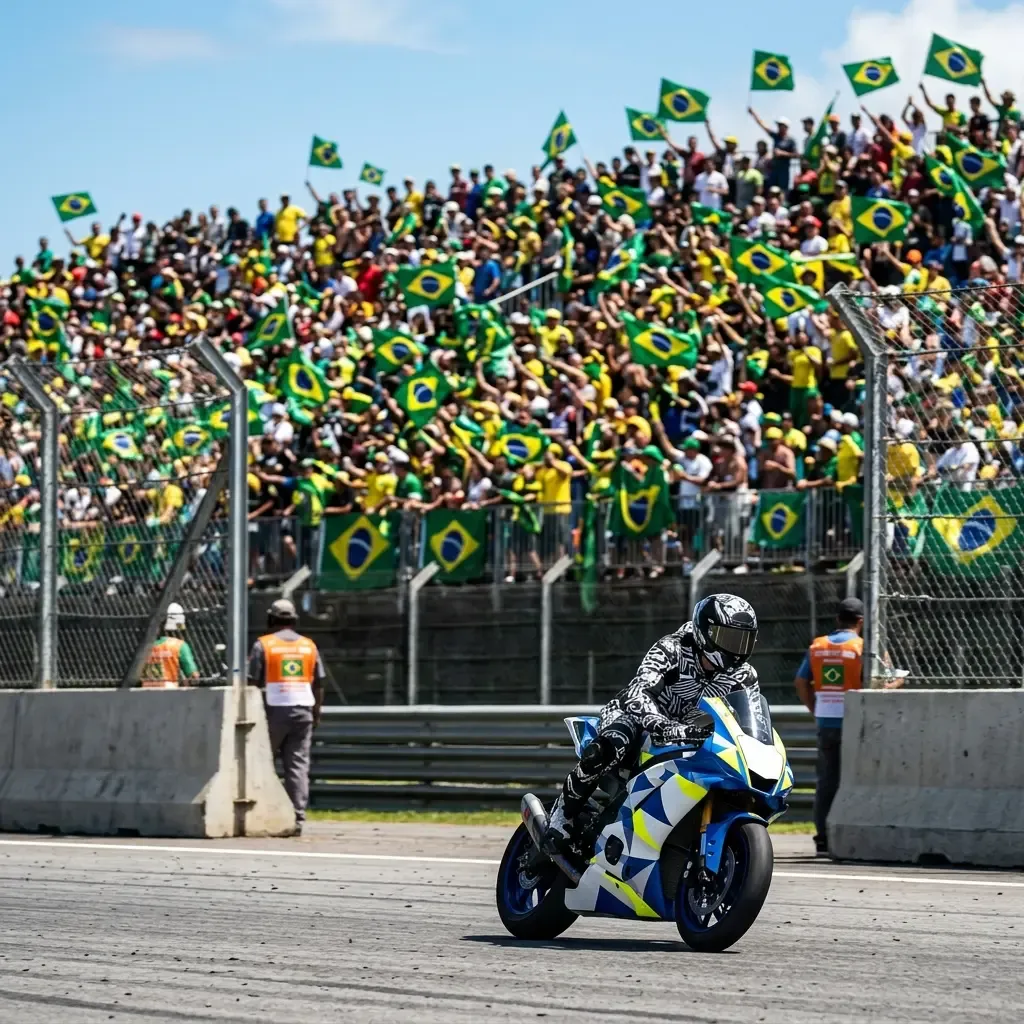
The race takes place at a circuit just outside Goiânia, a bustling, modern city known as the green capital of Brazil. While the city itself is a hub of culture, the real party will be at the racetrack. Brazilian fans are legendary in the world of motorsport for their incredible passion and energy.
Forget a quiet day out; this will be a full-blown festival of speed. Expect to see grandstands awash with colour, especially the iconic green and yellow of the Brazilian flag. The air will be filled with the sound of air horns, singing, and chanting, creating an electric atmosphere that will give goosebumps to riders and spectators alike.
The Circuit: A Fresh Puzzle for the Paddock
What made the return to Brazil so fascinating is that it was a brand-new challenge for everyone involved. Before 2026, MotoGP had last raced at Goiânia in 1989, so none of the current teams or riders had any modern data to work from. Notes from the 1980s were useless because the bikes, tyres, and electronics have changed completely.
That threw a huge spanner in the works for the highly organised teams. Usually, they arrive at a track with years of information, knowing the perfect gears for each corner and the best initial bike setup – that’s the precise combination of suspension stiffness, electronic aids, and tyre choices needed to make the bike work perfectly.
Here, they started with a blank sheet of paper, and the first PracticeSessions before qualifying where riders set up the bike; the top ten in Friday afternoon's Practice go straight to Q2.Read the full guide → sessions were a scramble to unlock the track’s secrets. Even now, the teams have only a single weekend of modern data here, far less than at almost any other circuit, which keeps the racing unpredictable.
Decoding the Track: A Tale of Two Halves
The Goiânia circuit is a classic example of a track with a split personality. It’s defined by two dominant features: blisteringly fast straights and a contrasting tight, twisty infield section. A rider’s success will depend on mastering both.
The Back Straight: A Slipstreaming Paradise
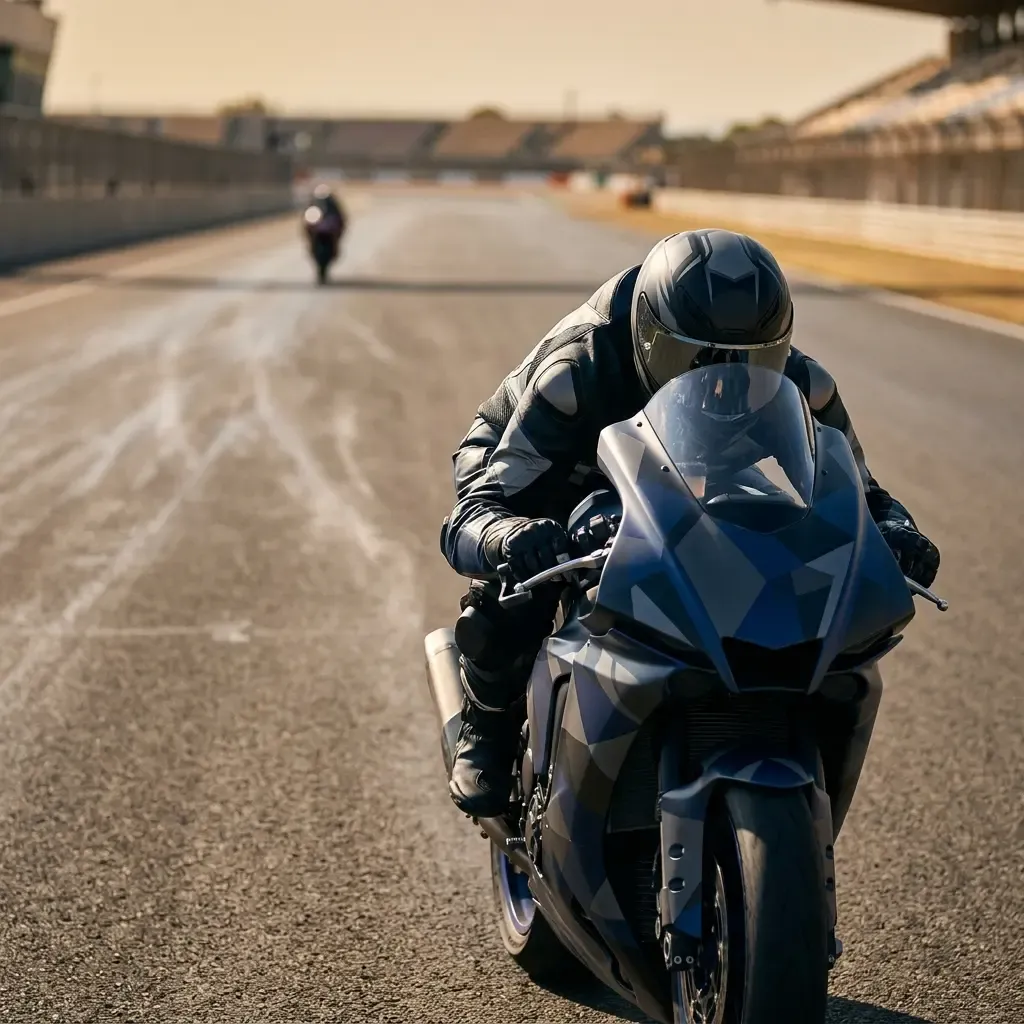
The circuit’s most talked-about feature is its incredibly long back straight, stretching for over a kilometre. Here, the bikes will be at full throttle, unleashing all of their 300 horsepower to reach mind-boggling speeds, around 215 mph (about 345 km/h). It’s a pure test of engine power.
This straight is the perfect hunting ground for a tactic called SlipstreamThe pocket of calmer air directly behind another bike. Sitting in it means less wind resistance — so you can carry more speed for free.Read the full guide →. Imagine a rider tucking their body tightly behind the screen, trying to make themselves as small as possible to cut through the air. Now, imagine them doing that directly behind another motorcycle. The bike in front does all the hard work of punching a hole in the air, creating a pocket of lower air resistance behind it.
The rider following can ride in this “clean” air, which allows their bike to accelerate faster without using as much fuel. They’ll stalk their rival down the entire straight before using this speed advantage to pull alongside and out-brake them into the next corner. It’s a high-speed chess match and one of the most exciting sights in racing.
The Infield: Where Agility is King
Once the riders survive the braking zone at the end of the straight, the character of the track changes completely. They enter a much slower, more technical sequence of corners that flow one after the other. It’s a tight and demanding section where brute force is useless.
Here, the key to a fast lap time is agility – a word used to describe how quickly and easily a motorcycle can change direction. A bike that feels light and nimble, allowing the rider to flick it from left to right with minimal effort, will have a huge advantage through this part of the lap.
This is where rider skill truly comes to the forefront. You’ll see them hanging off the side of the bike, using their body weight and incredible strength to force these 160kg machines to turn on a sixpence. It’s a physical dance between rider and machine, and the smoothest, most precise riders will make up a lot of time here.
What This Means for the Race
The dual nature of the Goiânia circuit presents a fascinating puzzle for the teams. Do they set up their bike for maximum Top speedThe fastest a bike goes on a lap, reached at the end of the longest straight — over 360 km/h at the quickest circuits.Read the full guide → on the straights, knowing they might struggle in the tight corners? Or do they sacrifice some straight-line performance for a more agile machine that can dominate the infield?
This strategic choice will define the race weekend. Powerful bikes from manufacturers like Ducati might seem unbeatable on the straights, but nimbler machines from KTM or Yamaha could catch them in the twisty sections. This creates a fantastic cat-and-mouse dynamic throughout the race.
The limited data adds another layer of drama. A team that finds the magic setup early in the weekend has a huge advantage, while others can be struggling right up until the race starts. Expect the unexpected.
A Hero’s Welcome for Diogo Moreira
As if the return of MotoGP wasn’t exciting enough, the event has a compelling local story at its heart: it is the home race of one of the sport’s brightest young talents, the 2025 Moto2 champion, Diogo Moreira.
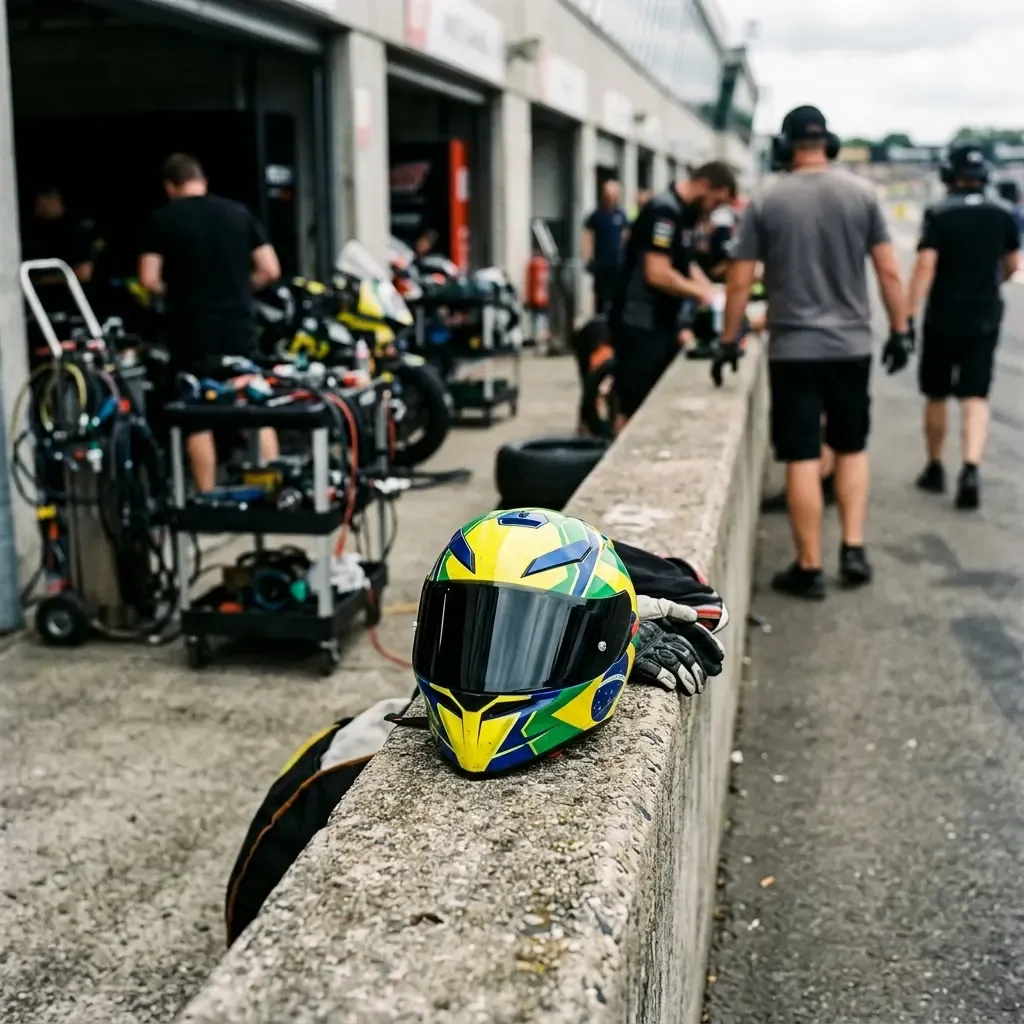
For any rider, a home Grand Prix is the biggest event of the year. For Moreira, racing in front of his home crowd after such a long absence for the sport in Brazil is an incredibly emotional and motivating experience. He is the undisputed local hero.
The support from the grandstands is phenomenal. Every time he flashes past on track, the noise is deafening. This support can be a huge boost for a rider, giving them that extra tenth of a second per lap.
Beginner’s Viewing Tips
To get the most out of your first Brazilian GP, here are a few things to watch for. Firstly, focus your attention on the braking zones at the end of the two long straights. These are the prime overtaking spots, where brave riders will dive up the inside of their rivals.
Pay attention to the different riding styles in the infield section. Some riders are smooth and flowing, while others are more aggressive, backing the bike into the corners. It’s a great way to appreciate the incredible skill involved.
Finally, just soak in the atmosphere. The Brazilian GP isn’t just a race; it’s a celebration. Enjoy the noise, the colours, and the passion of a country that has motorsport running through its veins.
Quick Takeaways
- MotoGP returned to Brazil in 2026 for the first time since 2004, and to the Goiânia circuit for the first time since 1989, with a wild, passionate atmosphere from the local fans.
- The track is a tale of two halves: a super-long back straight favouring powerful engines and slipstreaming, and a tight infield section where bike agility and rider skill are crucial.
- With only one modern race held here, the teams have far less data than at most circuits, which keeps the weekend unpredictable.
- It is the home race of Brazilian star and 2025 Moto2 champion Diogo Moreira, the crowd’s local hero.