// Beginner Guides
Beyond the Bike: How MotoGP Riders Train for Peak Performance
MotoGP riders are elite athletes whose rigorous training involves intense cardio, functional strength, and mental conditioning to withstand the extreme forces of racing.
Independent fan site — not affiliated with MotoGP or MotoGP Sports Entertainment Group (formerly Dorna). Written by AI from official data and fact-checked: how this article was made.
On this page · 6 sections
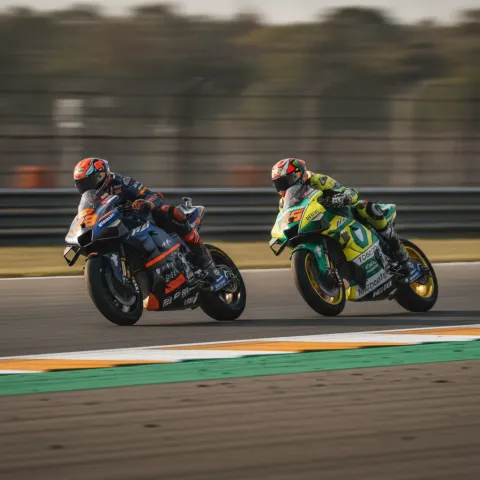
When you watch a MotoGP race, it’s easy to focus on the incredible machines. But underneath the helmet and leathers is an elite athlete, conditioned to a level that rivals almost any other professional sport. A rider isn’t just a passenger; they are a crucial part of the performance package, and their physical and mental fitness can be the difference between winning and losing.
So, what does it take to physically dominate a 300-horsepower motorcycle for around 40 minutes? The answer is a relentless, year-round training regime that goes far beyond simply riding a bike.
Why is MotoGP so physically demanding?
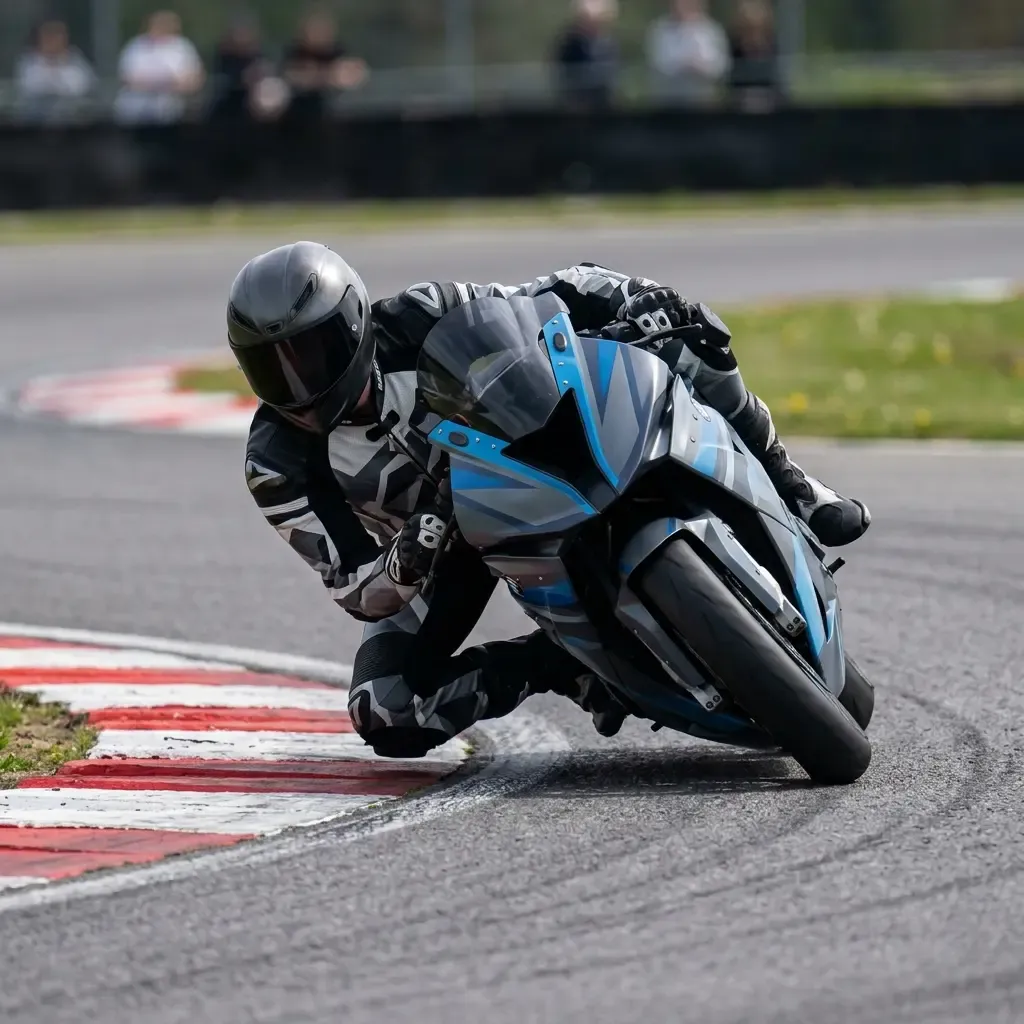
Piloting a MotoGP bike is an incredibly violent, full-body workout. Under braking, riders experience immense forces pushing them forward, which they must resist with their arms, legs, and core. When accelerating, the opposite is true. And through corners, they endure huge G-forces—the force of gravity—as they hang off the side of the bike at extreme Lean angleHow far the bike is tipped from vertical through a corner — MotoGP riders pass 60°.Read the full guide →.
During a race, a rider’s heart rate can average 160-170 beats per minute, with peaks even higher. This is similar to the sustained effort of a marathon runner. Add to this the intense heat inside their racing leathers, which can soar well above ambient temperatures, and you have a recipe for extreme physical exhaustion.
What does their physical training involve?
Because of these demands, a rider’s training is varied and highly specific. It’s not about building bulky muscle like a bodybuilder; it’s about creating lean, functional strength and incredible endurance. Every kilogram matters on the bike, so the goal is to be as light and powerful as possible.
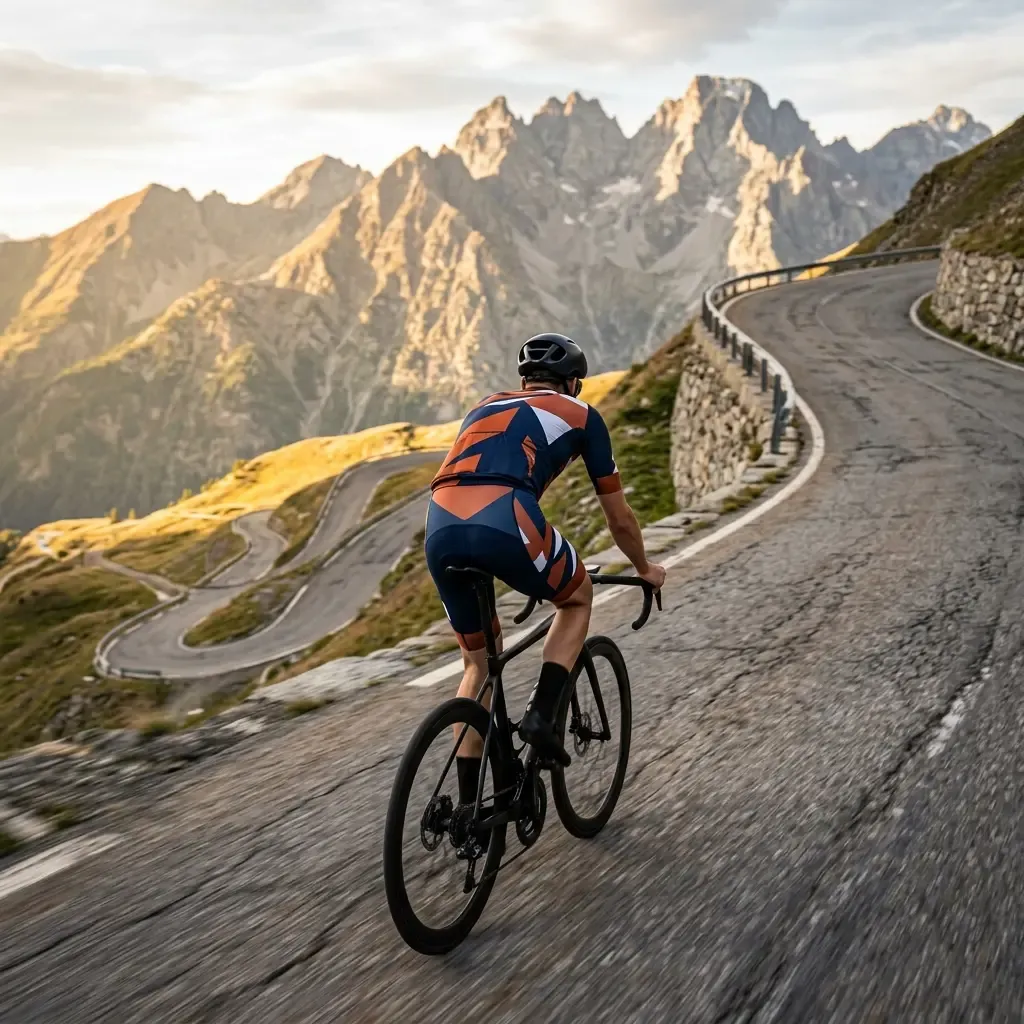
Cardiovascular fitness is the foundation. Most riders spend many hours each week on road bicycles, running, or swimming. This builds the stamina needed to maintain peak performance and concentration for the full race distance, preventing the heart rate from spiking too high under stress.
Strength training focuses on the specific muscle groups that take the most strain. The core is vital for stability, helping the rider move around on the bike. Strong shoulders, backs, and forearms are needed to wrestle the machine through corners and resist braking forces. Neck muscles also have to be incredibly strong to support the head against wind resistance and G-force.
How do they train their skills and reflexes?
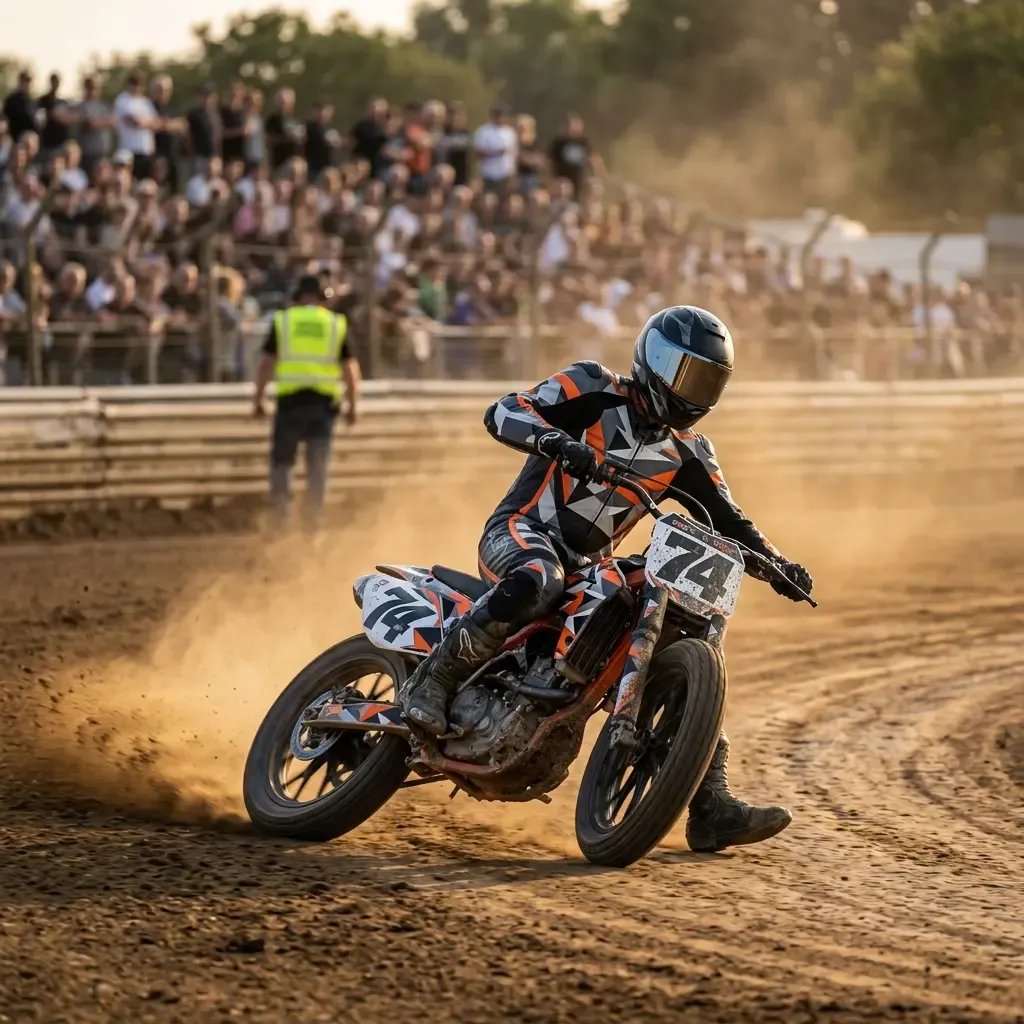
A gym routine can’t fully prepare a rider for the unique behaviour of a racing motorcycle. To sharpen their skills, reflexes, and race craft, nearly all riders spend a significant amount of time training on other types of bikes. Dirt bikes, motocross, and flat track are particular favourites.
These disciplines teach incredible bike control in low-grip situations, forcing riders to constantly react to a sliding motorcycle. This builds an instinctive feel for traction that is directly transferable to MotoGP. It’s a safer way to push their limits and hone the lightning-fast reactions needed when a tyre breaks loose at racing speed.
Is it all about physical strength?
Not at all. Mental conditioning is just as important as physical fitness. A 40-minute Grand Prix requires absolute, unwavering concentration. A momentary lapse can lead to a mistake that ends the race, or worse. Riders work on mental exercises to improve focus and handle the immense pressure of competing at the highest level.
Diet and hydration are also meticulously managed. Riders have personalised nutrition plans to maintain their ideal weight while fuelling their bodies for the intense demands of a race weekend. Hydration is especially critical, as losing even a small amount of body fluid can lead to a significant drop in physical and mental performance.
From the gym to the cycling path, and from the motocross track to the nutritionist’s office, the life of a MotoGP rider is a 360-degree commitment to achieving peak human performance. They are, in every sense of the word, supreme athletes.
Quick Takeaways
- MotoGP riders endure extreme physical stress, with heart rates comparable to marathon runners and huge G-forces in corners.
- Their training is a mix of intense cardio (like cycling), functional strength for core and upper body, and flexibility work.
- Riders constantly train on other bikes, such as motocross or flat track, to sharpen their reflexes and bike control skills.
- Mental conditioning, diet, and hydration are just as critical as physical training for maintaining focus and endurance during a race.
Quick questions
- Q.How strong do MotoGP riders need to be?
- They need to be very strong, but in a functional way. Their training focuses on the core, neck, and arms to control the bike under extreme G-forces, rather than on building large, bulky muscles.
- Q.Do MotoGP riders only train in the gym?
- No, the gym is just one part of their regime. They do extensive cardiovascular training like cycling and running, and crucially, they ride other types of motorcycles like motocross bikes to sharpen their skills.
- Q.How high are their heart rates during a race?
- A rider's heart rate can average around 160-170 beats per minute for the entire 40-minute race, with peaks even higher. This is a level of sustained effort similar to that of an elite marathon runner.
- Q.Why are MotoGP riders so slim?
- Every kilogram of weight affects the bike's performance. Riders follow strict diets to maintain a low body weight and an optimal power-to-weight ratio, which improves acceleration, braking, and agility.