// Beginner Guides
How to Overtake in MotoGP: The Art of Making a Pass
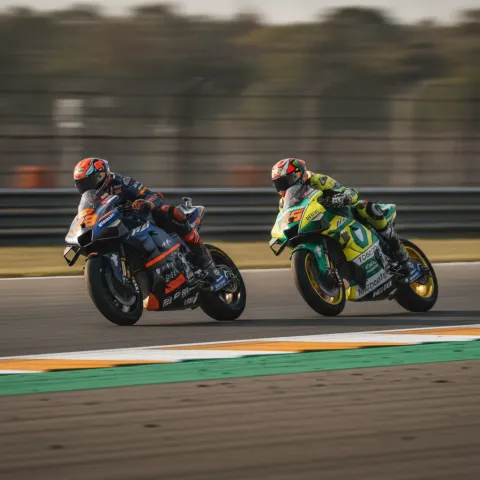
Overtaking in MotoGP is a high-speed art form. Riders use techniques like slipstreaming, out-braking, and the cutback to make a pass at over 200mph.
Independent fan site — not affiliated with MotoGP or MotoGP Sports Entertainment Group (formerly Dorna). Written by AI from official data and fact-checked: how this article was made.
On this page · 8 sections
Watching two MotoGP riders fight for position is one of the most thrilling sights in sport. A successful overtake is a breathtaking mix of bravery, precision, and strategy, all happening at incredible speeds. But it’s not just about twisting the throttle harder than the person in front.
Making a pass is a calculated art. It involves understanding the track, the opponent, and the limits of the bike. So, how do they manage to swap places when they are already pushing to the absolute maximum?
How do riders get close enough to pass?
On a long straight, you will often see a rider tuck in directly behind a rival. This is called SlipstreamThe pocket of calmer air directly behind another bike. Sitting in it means less wind resistance — so you can carry more speed for free.Read the full guide → (or getting a ‘tow’). The bike in front punches a hole through the air, creating a pocket of lower air resistance behind it. The rider following can ride in this pocket, gaining a significant speed advantage without using any extra power.
This speed boost is often just enough to allow the chasing rider to pull alongside as they approach the next corner. The slipstream doesn’t complete the overtake, but it’s the most common way to set one up.
Where is the best place to overtake?
The classic overtaking spot is on the brakes into a corner, especially a slow, tight corner that follows a long straight. This is where riders perform an out-braking manoeuvre. The chasing rider uses the speed from the slipstream to pull alongside and then brakes later and harder than their opponent.
By braking later, they can dive up the inside of the other rider and claim the corner first. This is a high-risk move that requires immense judgement. Brake a fraction too late and you’ll miss the corner entirely; brake too early and the opportunity is lost. It’s a true test of nerve.
What is a ‘block pass’?
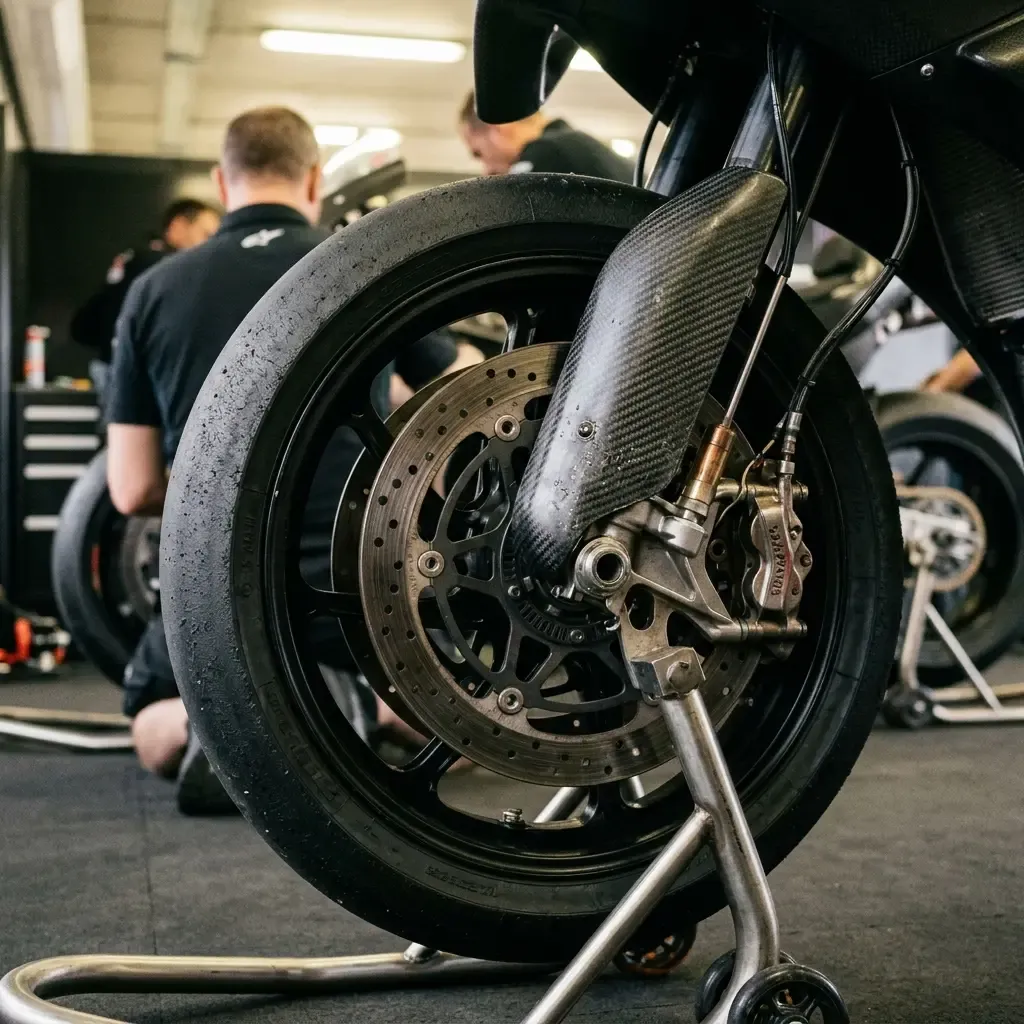
A block pass is a more aggressive version of an out-braking move. Here, the overtaking rider dives up the inside but deliberately runs a little wide towards the middle of the corner. This line effectively ‘blocks’ the path of the rider they are overtaking.
The rider being passed is forced to sit up and slow down to avoid a collision. It’s a forceful, intimidating way to take a position, and while it’s legal, the stewards can step in if one is reckless, and it can certainly create tension between rivals. It’s all about forcing the other rider to yield the position.
Are there other overtaking styles?
Yes, not every pass is an aggressive lunge on the brakes. A more subtle and clever technique is the cutback. This move is all about playing the long game through a corner.
Instead of trying to pass on the way into the corner, the chasing rider will deliberately take a slower, tighter entry. While the rider in front sweeps through on a wider, faster line, the attacker cuts back underneath them. This tighter line allows them to get the bike upright and accelerate much earlier. The pass is then completed using superior drive and speed on the exit of the corner.
What stops riders from overtaking all the time?
If riders can slipstream and out-brake each other, why isn’t there a pass at every corner? There are several factors that force riders to be strategic and patient.
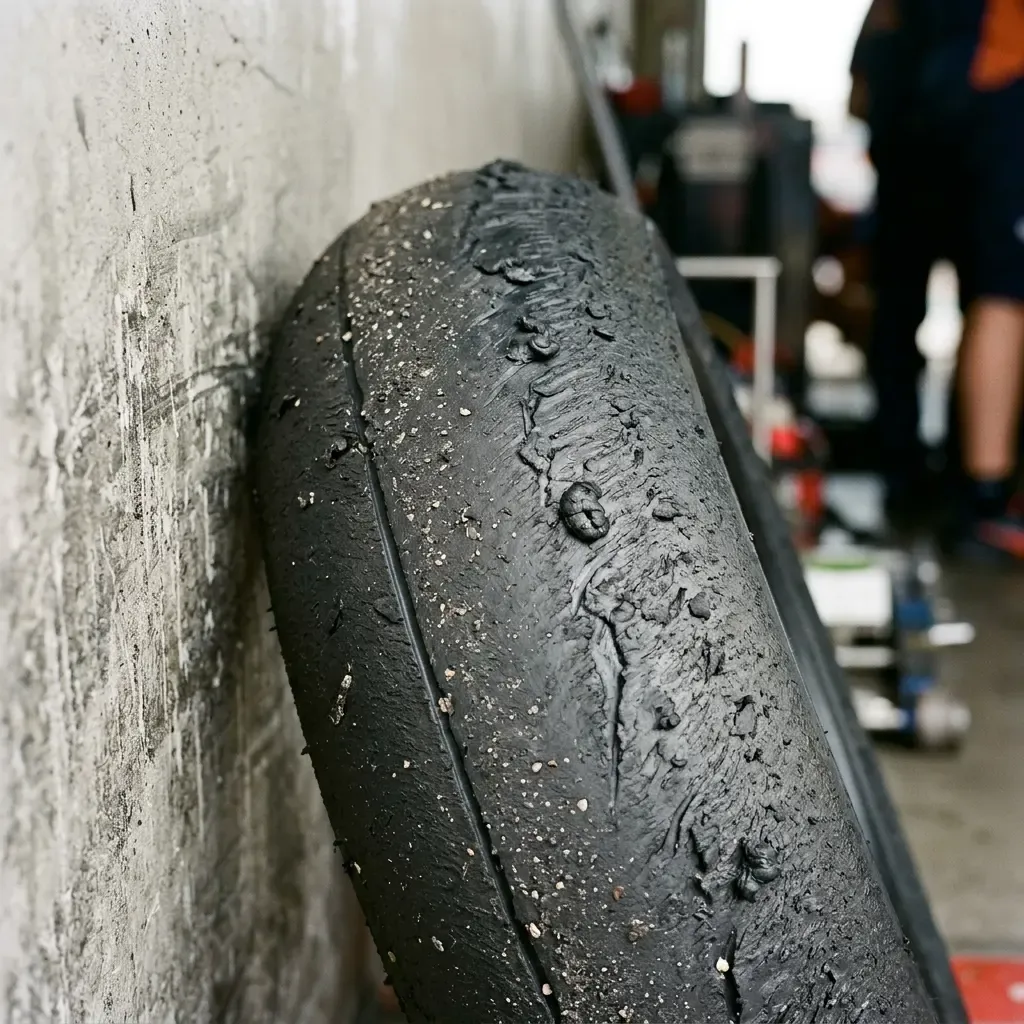
First is tyre management. Every hard braking manoeuvre and aggressive acceleration wears out the tyres. With only a limited amount of grip available for a full race distance, riders have to pick their moments carefully. A failed attempt not only costs time but also uses up precious rubber.
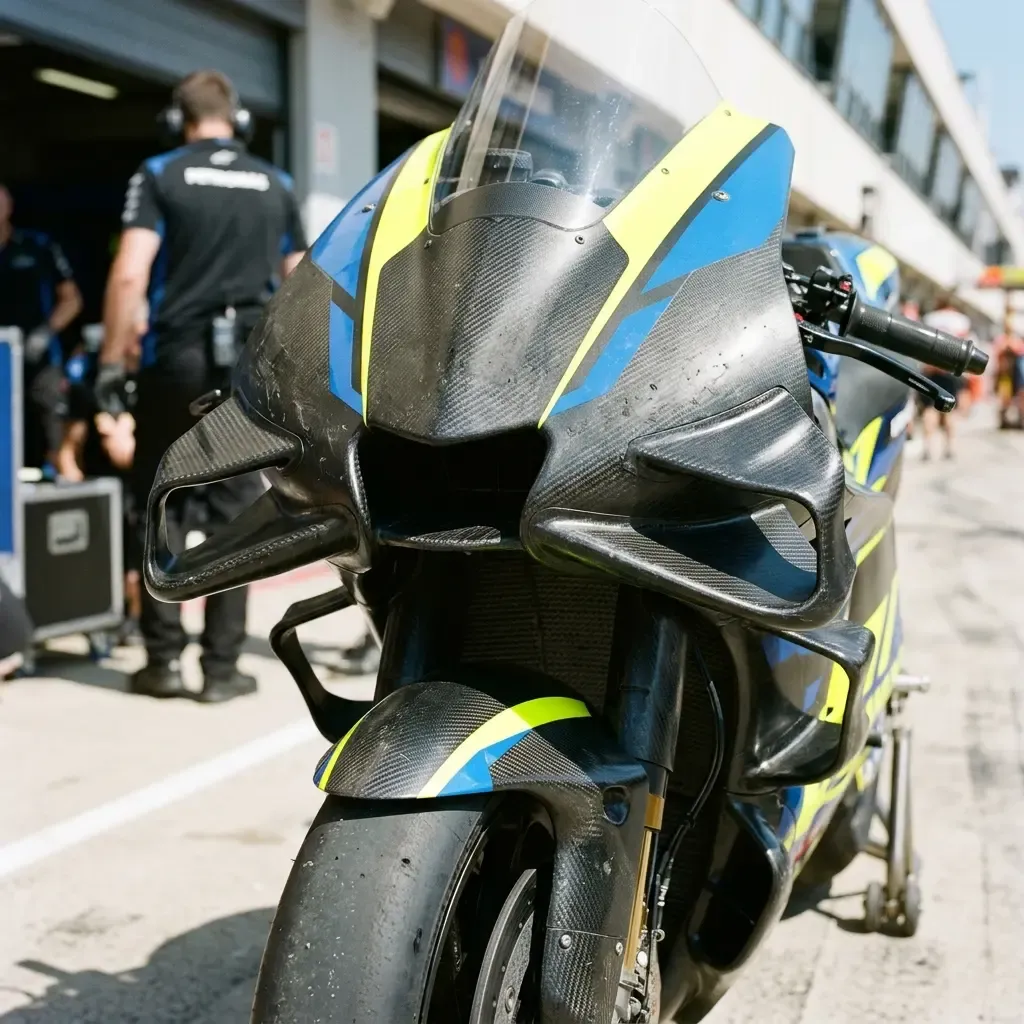
Another factor is the dirty air. The turbulent air flowing off the back of a leading motorcycle can severely disrupt the WingletsSmall wings on the bodywork that create downforce to keep the front wheel down and improve stability.Read the full guide → of the bike behind. This makes the chasing bike unstable and difficult to control, especially in fast corners, preventing the rider from getting close enough to launch an attack.
Finally, there’s risk versus reward. A clumsy move can easily end with both riders in the gravel. Riders have to weigh the importance of gaining one position against the risk of ending their race completely.
Is it all about the rider?
The rider’s skill and bravery are crucial, but the bike’s behaviour also plays a huge part. Some bikes have a powerful engine that makes them dominant on the straights, perfect for slipstream overtakes. Other bikes might be more agile and stable on the brakes, giving their riders an advantage into tight corners.
Part of the strategy is for a rider to use their bike’s strengths to attack an opponent’s weaknesses. A rider on an agile bike will try to force a pass in a twisty section, knowing they might be a sitting duck on the next long straight.
Quick Takeaways
- Slipstreaming is key to getting close enough to an opponent on a straight.
- The most common overtake is out-braking an opponent by braking later and harder into a corner.
- The cutback is a clever alternative, sacrificing corner entry speed for a much faster exit.
- Overtakes are limited by factors like tyre wear, risk, and the turbulent ‘dirty air’ from the bike in front.
Quick questions
- Q.Is slipstreaming the same as drafting?
- Yes, they are different terms for the same aerodynamic principle. In motorcycle racing, the term 'slipstreaming' or 'getting a tow' is most commonly used.
- Q.Is a 'block pass' illegal in MotoGP?
- No. A block pass is legal and is generally seen as a hard but fair racing move, though the stewards can penalise one that is reckless or causes a crash.
- Q.Why don't riders just overtake on the straights?
- MotoGP bikes are often very evenly matched in terms of top speed. While slipstreaming provides a small advantage, it's often not enough to complete a pass before the next corner arrives, which is why braking zones are so important.
- Q.What is 'dirty air'?
- It's the turbulent, swirling air coming off the back of a leading motorcycle. This 'dirty air' disrupts the aerodynamics of the bike following, reducing its downforce and making it feel unstable, especially in fast corners.