// News
MotoGP's Future: Major Engine and Tyre Changes Confirmed for 2027 Season
MotoGP has confirmed major technical changes for 2027, including a switch to smaller 850cc engines and a new sole tyre supplier, Pirelli, to usher in a new era.
Independent fan site — not affiliated with MotoGP or MotoGP Sports Entertainment Group (formerly Dorna). Written by AI from official data and fact-checked: how this article was made.
On this page · 7 sections
MotoGP, the pinnacle of motorcycle racing, is preparing for its biggest technical shake-up in over a decade. The sport’s organisers have confirmed a brand-new set of rules for the 2027 season, centred around two major changes: smaller engines and a new official tyre supplier.
From 2027, the premier class will switch from the current 1000cc engines to new, smaller 850cc units. At the same time, Italian manufacturer Pirelli will take over from Michelin as the sole tyre supplier for every team on the grid. These changes are designed to make the sport safer, more competitive, and more sustainable.
Why are the engines changing?
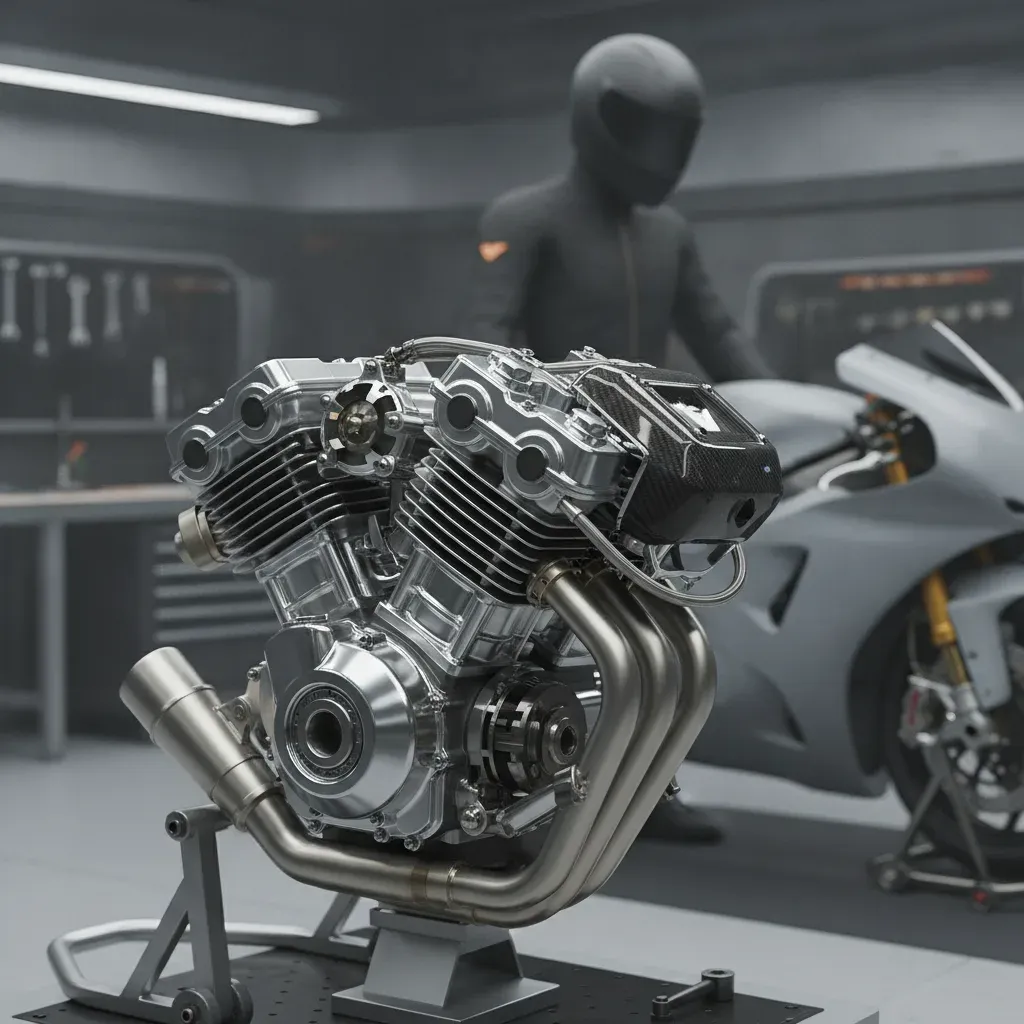
The most significant change is the reduction in engine size. In motor racing, ‘cc’ stands for cubic capacity, which is a measure of the engine’s size and a key factor in how much power it can produce. For years, MotoGP bikes have been getting faster, regularly breaking Top speedThe fastest a bike goes on a lap, reached at the end of the longest straight — around 350 km/h or more at the quickest circuits.Read the full guide → records.
By reducing the engine capacity from 1000cc to 850cc, the organisers aim to rein in these ever-increasing speeds, making the sport safer for the riders. A smaller engine will produce less outright power, naturally lowering the maximum speeds possible on long straights. This move also aligns with a goal of increased sustainability, as the new engines are expected to be more efficient.
What does a smaller engine mean for the racing?
While top speeds will decrease, it doesn’t necessarily mean the racing will be less exciting. In fact, the goal is the opposite. With less raw horsepower, there will be a greater emphasis on rider skill, cornering speed, and race craft. The bikes are also expected to be lighter and more agile.
This shift could lead to closer racing, as the difference in engine performance between manufacturers may be reduced. When bikes are more evenly matched on power, it opens the door for more overtaking and battles that are decided by rider talent rather than straight-line speed. It’s a fundamental reset that gives every team a new challenge.
Who are Pirelli and why is this important?
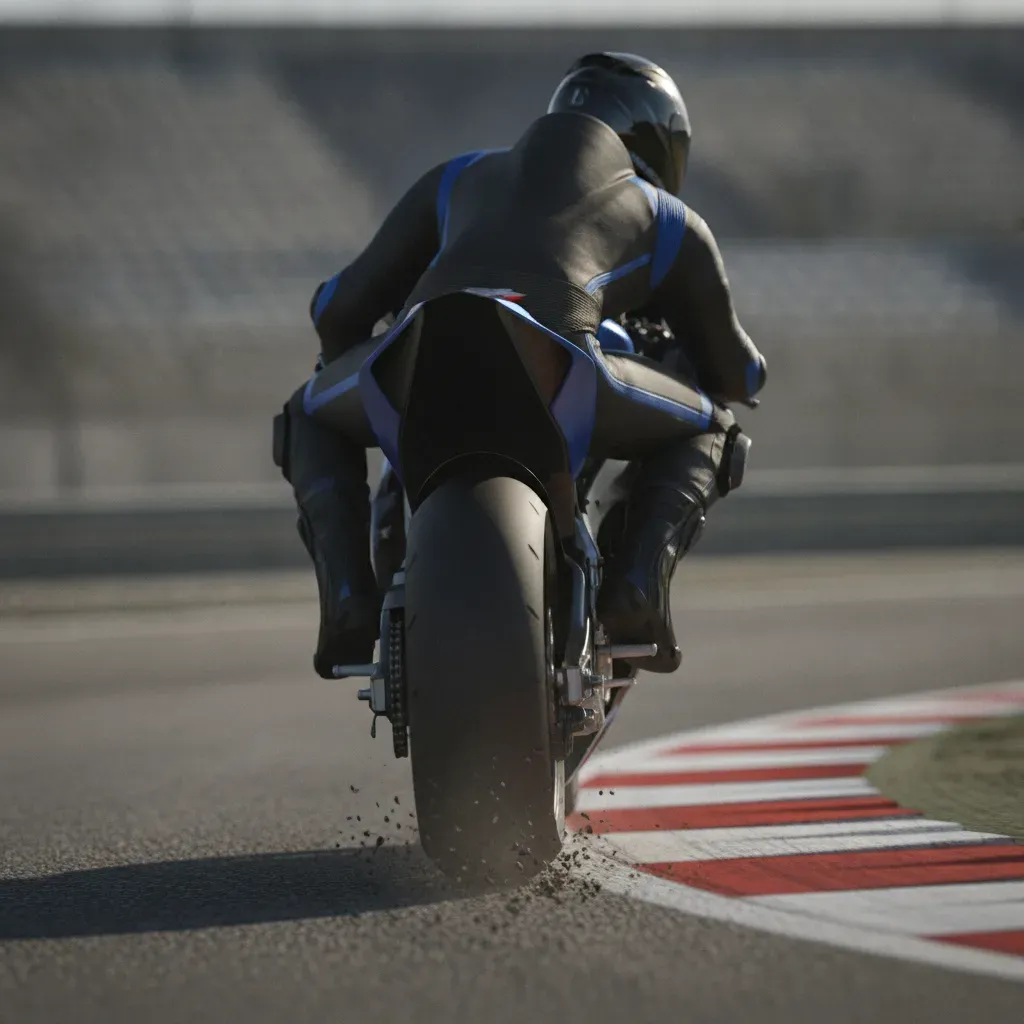
Pirelli is a famous Italian tyre company with a long and successful history in motorsport. They will become the official tyre supplier for MotoGP from 2027, ending a long partnership with the French brand Michelin. This is a huge deal because tyres are one of the most critical components on a racing motorcycle.
MotoGP operates as a ‘single-tyre’ championship. This means every rider and team uses tyres from the same manufacturer. This rule ensures that no one gains an unfair advantage from having a superior tyre. It levels the playing field, putting the focus squarely on the bike’s setup and the rider’s ability to manage their tyres throughout a race.
What other changes are coming?
The engine and tyre changes are part of a much larger package of new regulations. WingletsSmall wings on the bodywork that create downforce to keep the front wheel down and improve stability.Read the full guide → – the intricate wings and bodywork you see on modern bikes designed to push them onto the track for more grip – will be significantly restricted. The aim is to reduce the ‘dirty air’ that bikes create, which makes it difficult for a following rider to get close enough to overtake.
Furthermore, special ‘Ride-height deviceA system that lowers the bike on corner exit and straights for better drive and lower drag. Banned from 2027.Read the full guide →’, which allow riders to lower the rear of the bike for better acceleration, will be banned. Alongside these changes, the championship will also switch to using 100% sustainable fuels. All these adjustments are being made with the single goal of creating closer, more unpredictable racing.
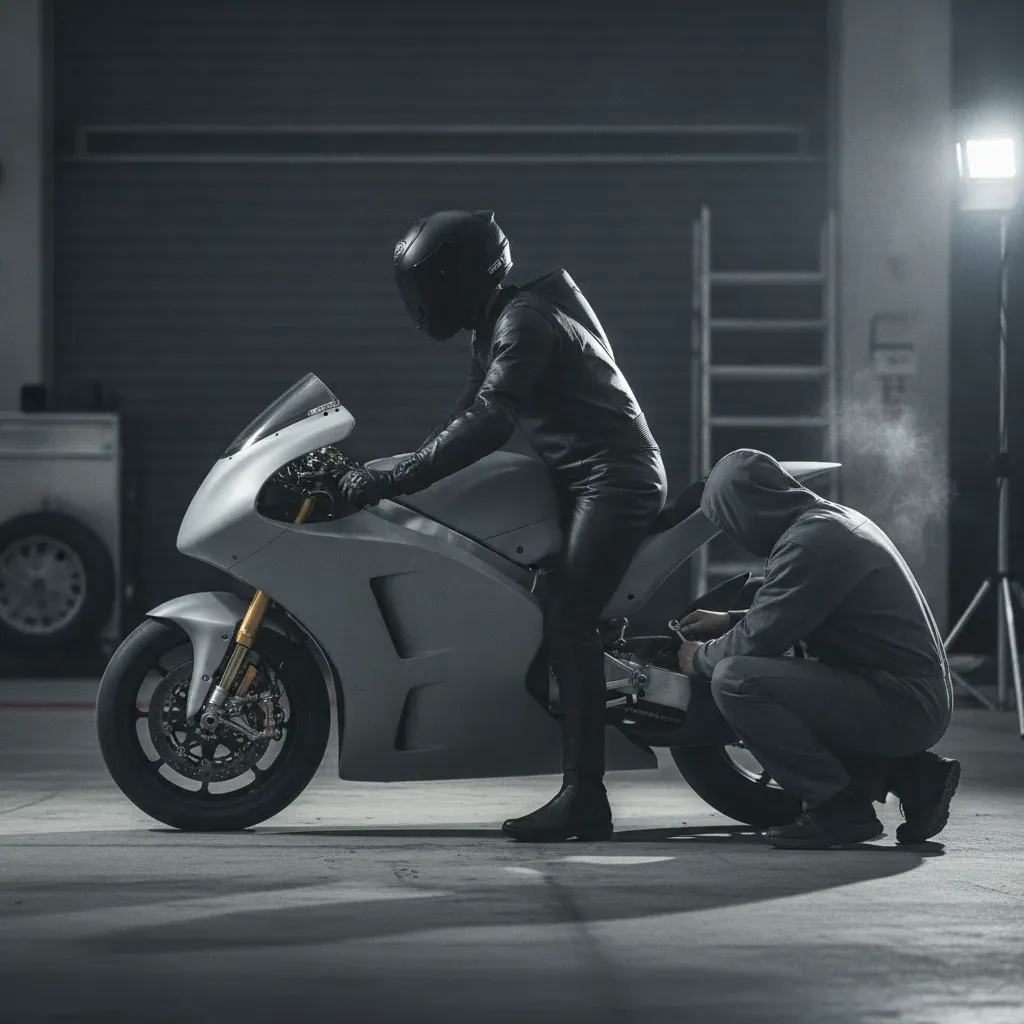
What does this mean for the championship?
For a beginner watching MotoGP, these changes promise a fresh and exciting era. A complete technical reset means all the manufacturers, from Ducati to Yamaha, must go back to the drawing board. The teams and riders who adapt quickest to the new 850cc bikes and Pirelli tyres will have the best chance of success.
This kind of shake-up often disrupts the established order, potentially allowing different teams and riders to fight for wins and championships. The 2027 season is set to be a fascinating glimpse into the future of motorcycle racing, with a renewed focus on rider skill, safety, and wheel-to-wheel action.
Quick Takeaways
- New Engines: From 2027, MotoGP bikes will use smaller 850cc engines, down from the current 1000cc, to improve safety and efficiency.
- New Tyres: Pirelli will become the single, official tyre supplier for the entire grid, replacing Michelin.
- Closer Racing: Rules on aerodynamics and ride-height devices will be tightened to make it easier for riders to follow each other and overtake.
- A Fresh Start: These major rule changes create a technical reset, which could shake up the competitive order of the championship.
Quick questions
- Q.Will the new 850cc bikes be a lot slower?
- They will have lower top speeds on the straights, which is a key aim for safety. However, they may be more agile in corners, and the overall lap times might not be dramatically different on some circuits.
- Q.Why does MotoGP only have one tyre brand?
- Using a single tyre supplier ensures a level playing field. It prevents a 'tyre war' where teams with bigger budgets could develop superior tyres, making the racing more about the equipment than the rider's skill.
- Q.When was the last time MotoGP had a major engine change like this?
- The last major engine capacity change was in 2012, when the championship moved from 800cc engines up to the current 1000cc formula.
- Q.Are these rule changes definitely happening?
- Yes, the 2027 technical regulations, including the 850cc engines and other changes, have been officially confirmed by MotoGP's organisers.