// Jargon Buster
Braking in MotoGP: How Riders Slow Down So Fast
MotoGP riders use powerful carbon brakes and advanced techniques like 'trail braking' to decelerate from over 200 mph with incredible force and precision.
Independent fan site — not affiliated with MotoGP or MotoGP Sports Entertainment Group (formerly Dorna). Written by AI from official data and fact-checked: how this article was made.
On this page · 7 sections
Watching a MotoGP bike scream down a long straight at over 200 mph is a breathtaking sight. But what happens next is arguably even more impressive: the rider slows the bike down dramatically in just a few seconds to navigate the upcoming corner. This isn’t just about grabbing a lever; it’s a combination of incredible technology, immense physical strength, and delicate skill.
This guide breaks down how the world’s best riders perform these superhuman feats of braking, lap after lap.
What makes MotoGP brakes so special?
Unlike the steel brakes on your road car or motorcycle, MotoGP bikes use carbon brakes. Specifically, carbon-carbon composite discs and pads. This material has two incredible properties that make it perfect for racing: it’s extremely lightweight, and its stopping power is immense.
However, there’s a catch. Carbon brakes only work effectively once they are hot: they need at least 200 degrees Celsius to grip properly, and in a race the front discs run at anything from 600 to over 1,000 degrees. This is why you’ll often see riders weaving on the Warm-up lapThe single lap riders ride from their grid slots and back again just before the start, used to heat the tyres and brakes.Read the full guide → or dragging the brake slightly on straights – they are building up temperature to make sure the brakes are ready when they need them.
Rain is a challenge, because the water cools the brakes. Steel discs used to be the wet-weather choice in MotoGP; today teams can fit protective covers that keep water off the carbon discs and help them stay in their working range.

Read the narration
- How do MotoGP bikes stop so fast?
- Carbon brakes: light and incredibly strong, but they only bite once they are hot.
- Hit the brakes, and the rider is thrown forward at around one and a half g.
- The front brake does most of the work. Brake too hard, and the rear wheel lifts.
- From 337 down to 117 kilometres an hour, in 4.4 seconds.
- Then they keep a little brake on as they lean in. That is trail braking.
- Hot carbon, strong arms and a delicate touch: that is how they stop so fast.
How do riders actually apply the brakes?
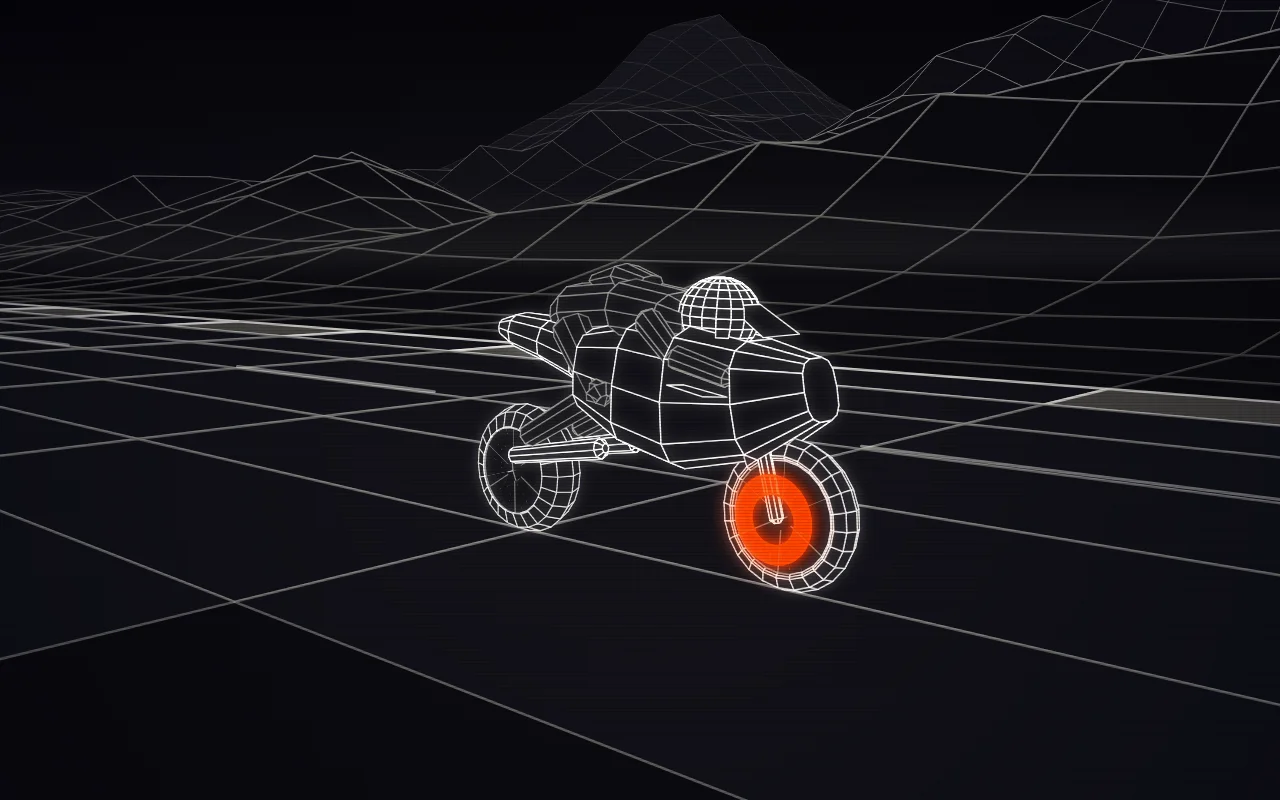
The vast majority of the braking force—perhaps 80% or more—is handled by the front brake. When a rider pulls the brake lever on the right handlebar, they are applying a force that would send a normal person flying over the front. MotoGP riders have to brace themselves against deceleration of around 1.5 G, at every braking zone, lap after lap.
Their arms and core muscles must be incredibly strong to resist being thrown forward, all while maintaining precise control. The front suspension of the bike compresses dramatically, and sometimes the rear wheel will even lift completely off the ground under maximum braking, a move known as a ‘stoppie’.
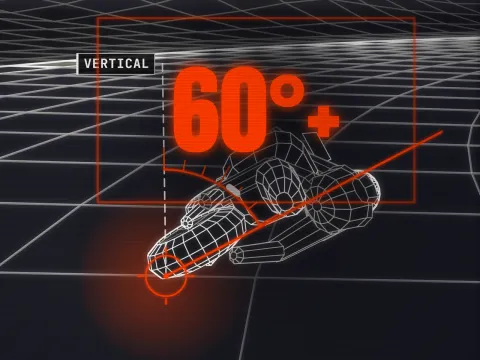
But they don’t just brake in a straight line. The key to a fast lap is a technique called trail braking. This means the rider continues to apply a small, decreasing amount of front brake even as they start to lean the bike into the corner. This subtle pressure helps the front tyre grip and allows the bike to turn more sharply.
What is the rear brake for?
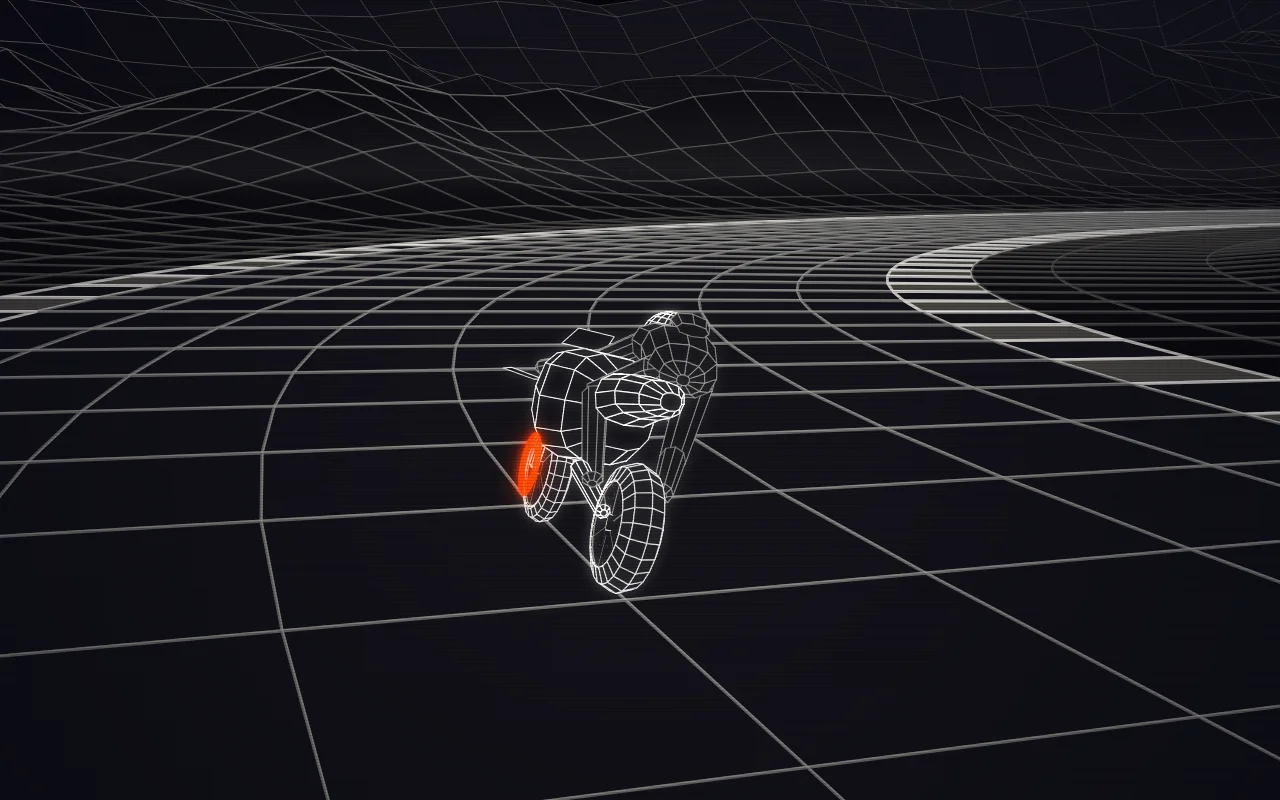
If the front brake does most of the work, what about the rear? Riders operate the rear brake with their right foot (or sometimes a thumb lever on the left handlebar). It’s not used for raw stopping power, but as a tool for stability and control.
Applying the rear brake gently helps to keep the back of the bike settled and stops the rear wheel from lifting too much under hard front braking. Some riders also use it to help ‘steer’ the bike, deliberately sliding the rear tyre slightly to help them line up the perfect exit from a corner.
What does ‘backing it in’ mean?
You will often hear commentators talk about a rider ‘backing it in’ to a corner. This is a spectacular-looking technique where the rider uses a combination of the rear brake and engine braking (the natural slowing effect of the engine when the throttle is closed) to get the rear wheel to slide sideways as they approach the corner.
This controlled slide helps to scrub off speed very quickly and points the bike towards the ApexThe innermost point of a corner — the tightest part of the turn that a rider aims to clip to carry the most speed onto the next straight.Read the full guide →, or the innermost point of the corner. It’s a very advanced technique that depends heavily on rider style; some are famous for it, while others prefer to keep both wheels in a straight line.
How do electronics help?
Modern MotoGP bikes are packed with sophisticated electronics that help the rider manage the bike’s behaviour. When it comes to braking, one of the most important systems is Engine Brake Control.
This system allows teams to adjust how much engine braking effect the rider feels when they close the throttle. Too much can cause the rear wheel to lock or chatter, destabilising the bike on corner entry. The electronics ensure this process is smooth and predictable, giving the rider the confidence to brake at the absolute limit.
Ultimately, braking in MotoGP is a perfect partnership. It combines the most powerful brakes in motorcycling with riders who possess the strength of a gymnast and the delicate touch of a surgeon.
Quick Takeaways
- MotoGP bikes use carbon brakes, which are extremely powerful but only work effectively at very high temperatures.
- The front brake provides most of the stopping power, and riders must be incredibly strong to withstand the huge G-forces.
- The rear brake is a subtle tool used for controlling the bike’s stability and helping it to turn.
- Advanced techniques like ‘trail braking’ (braking while leaning) and ‘backing it in’ (sliding the rear) are used to gain crucial tenths of a second.
Quick questions
- Q.Why do MotoGP bikes use carbon brakes instead of steel?
- Carbon brakes are much lighter than steel and provide significantly more stopping power, but only once they are hot: they need at least 200°C to grip properly. This makes them ideal for racing but unsuitable for road use.
- Q.Do MotoGP riders use the rear brake much?
- Yes, but not for raw stopping power. The rear brake is a precision tool used to stabilise the motorcycle under hard front braking, prevent the rear wheel from lifting, and help steer the bike into corners.
- Q.What is a 'stoppie' in MotoGP?
- A 'stoppie' (or endo) is when a rider brakes so hard with the front brake that the rear wheel of the motorcycle lifts off the ground. While spectacular, riders try to keep it to a minimum for maximum stability.
- Q.How much G-force do riders experience when braking?
- Under maximum braking, MotoGP riders can experience deceleration forces of up to 1.5 G. This means they have to support 1.5 times their own body weight plus the weight of their gear with their arms and legs.
- Q.What happens if the brakes get too hot or too cold?
- If carbon brakes get too cold, they lose their effectiveness and provide very little stopping power. Heat is not the problem: a front disc can run at over 1,000°C in a race without being damaged.