Beginner Guides
Understanding MotoGP Qualifying: What to Expect at the Dutch Grand Prix
MotoGP qualifying sets the starting grid for Sunday's race. This guide explains the Q1 and Q2 format and why a good grid position is vital at the Dutch GP.
Watching a MotoGP race is a thrilling experience, but for new fans, the day before the main event can seem a little confusing. All the talk of QualifyingThe timed sessions that set the starting order, split into Q1 and Q2 for the front rows.Read the full guide →, Q2, and combined PracticeSessions before qualifying where riders set up the bike; the combined times decide who goes straight to Q2.Read the full guide → times can feel like a secret language. But don’t worry, it’s much simpler than it sounds.
Qualifying is the high-stakes process that decides the starting order for Sunday’s Grand Prix. A rider’s position on this starting line-up, known as the ‘grid’, can make or break their race. Let’s break down how it all works, with an eye on the upcoming Dutch Grand Prix at the legendary TT Circuit Assen.
So, what is the ‘grid’?
The grid is simply the formation in which riders line up to start the race. It’s organised in rows of three, with the fastest rider from qualifying starting at the very front. This coveted spot is called ‘Pole positionFirst place on the starting grid, earned by the fastest qualifying lap.Read the full guide →’.
Starting from pole, or anywhere on the front row, gives a rider a massive advantage. They have a clear track ahead of them, allowing them to focus on their own race without getting caught in the chaos of the midfield pack on the frantic opening lap.
How is the starting grid decided?
It all begins on Friday. Throughout the day, riders take part in practice sessions. While these are used to fine-tune the bike’s setup – things like suspension and electronics – they also have a crucial competitive element.
A rider’s single fastest lap from the main Friday practice sessions is recorded. At the end of the day, all these times are combined into one list. The ten riders with the fastest laps overall earn a direct ticket into the most important qualifying session.
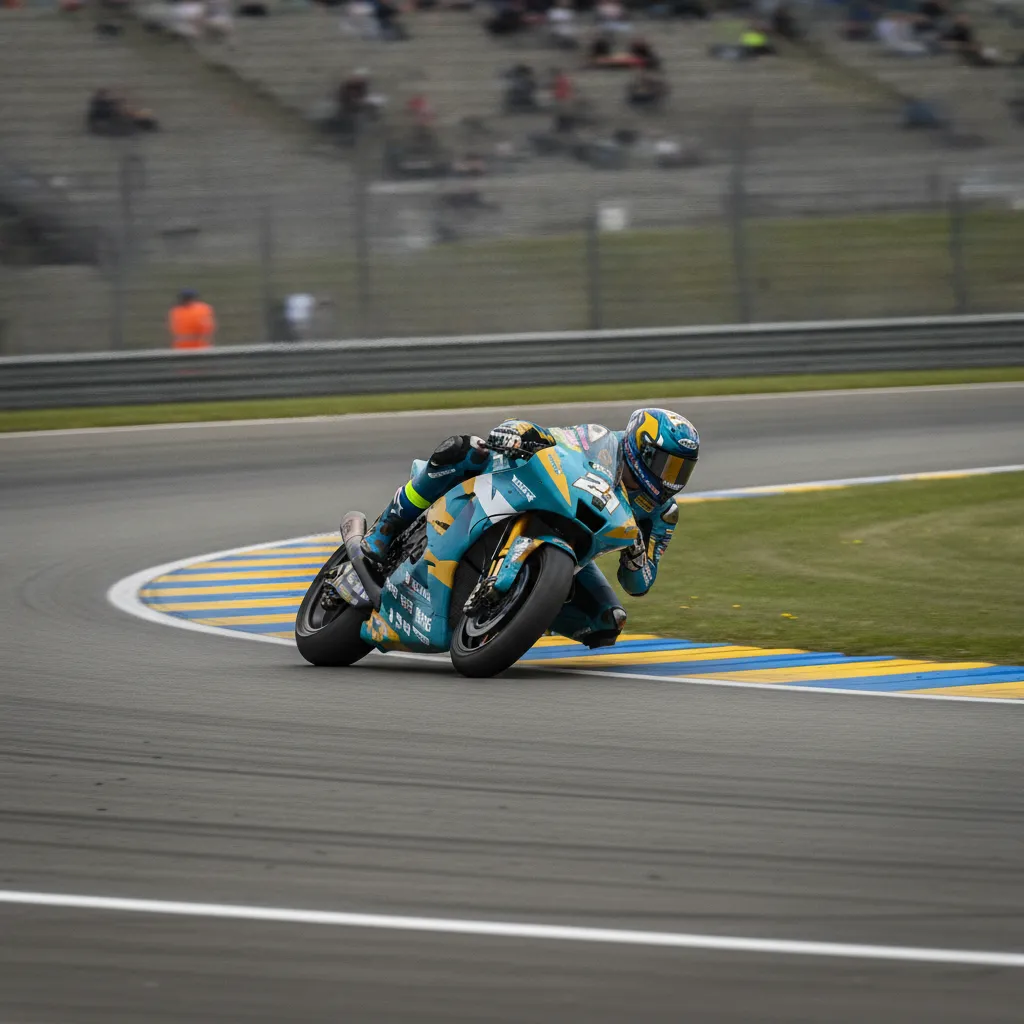
What happens to the riders outside the top 10?
This is where the first part of Saturday’s qualifying action begins. Any rider who finished 11th or lower in the combined Friday practice times must take part in a session called Qualifying 1, or Q1.
Q1 is a tense, 15-minute shootout. The goal for these riders is simple: set one of the two fastest lap times. The two who succeed get to ‘graduate’ from Q1 and move on to the main event. For everyone else in that session, their qualifying is over. Their grid positions, from 13th place downwards, are locked in based on their Q1 lap times.
And what is Qualifying 2 (Q2)?
This is the session everyone wants to be in. Qualifying 2 (Q2) is the final, 15-minute battle for the top spots on the grid. It features the ten riders who were fastest on Friday, plus the two who just fought their way through Q1.
These twelve riders hit the track to set the fastest lap they possibly can. When the chequered flag falls after 15 minutes, the order is set. The rider with the outright fastest time earns pole position, and the rest of the top 12 grid slots are filled based on the final Q2 timesheet.
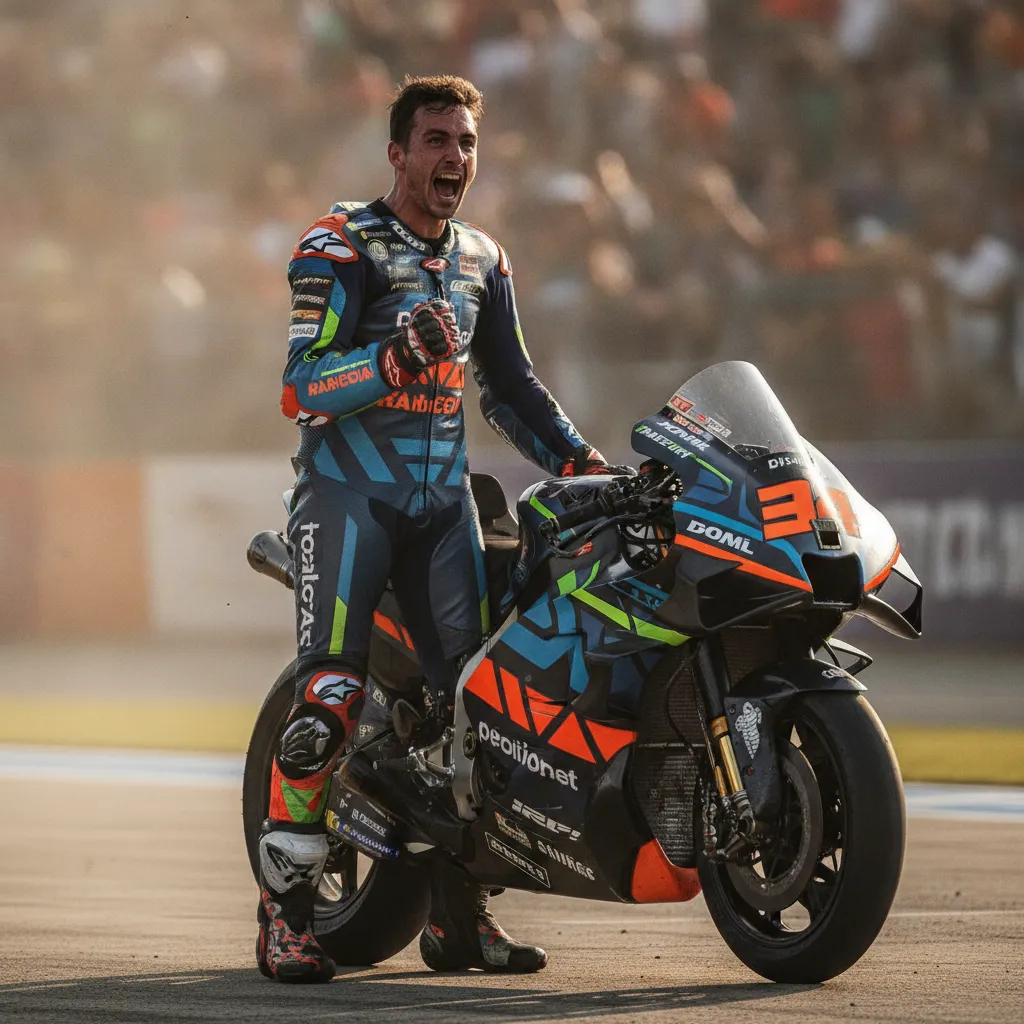
Why is qualifying so important at a circuit like Assen?
Every circuit has its own unique character, and the TT Circuit Assen is one of the most historic and beloved on the calendar. Known as ‘The Cathedral of Speed’, it’s a fast, flowing track that demands incredible precision from the riders.
Because of its high-speed nature and technical sections, including the famous final chicane, overtaking can be very difficult. A rider starting from 15th on the grid will have to fight through a lot of traffic, losing valuable time to the leaders. A good qualifying performance at Assen is vital for any rider with hopes of standing on the podium.
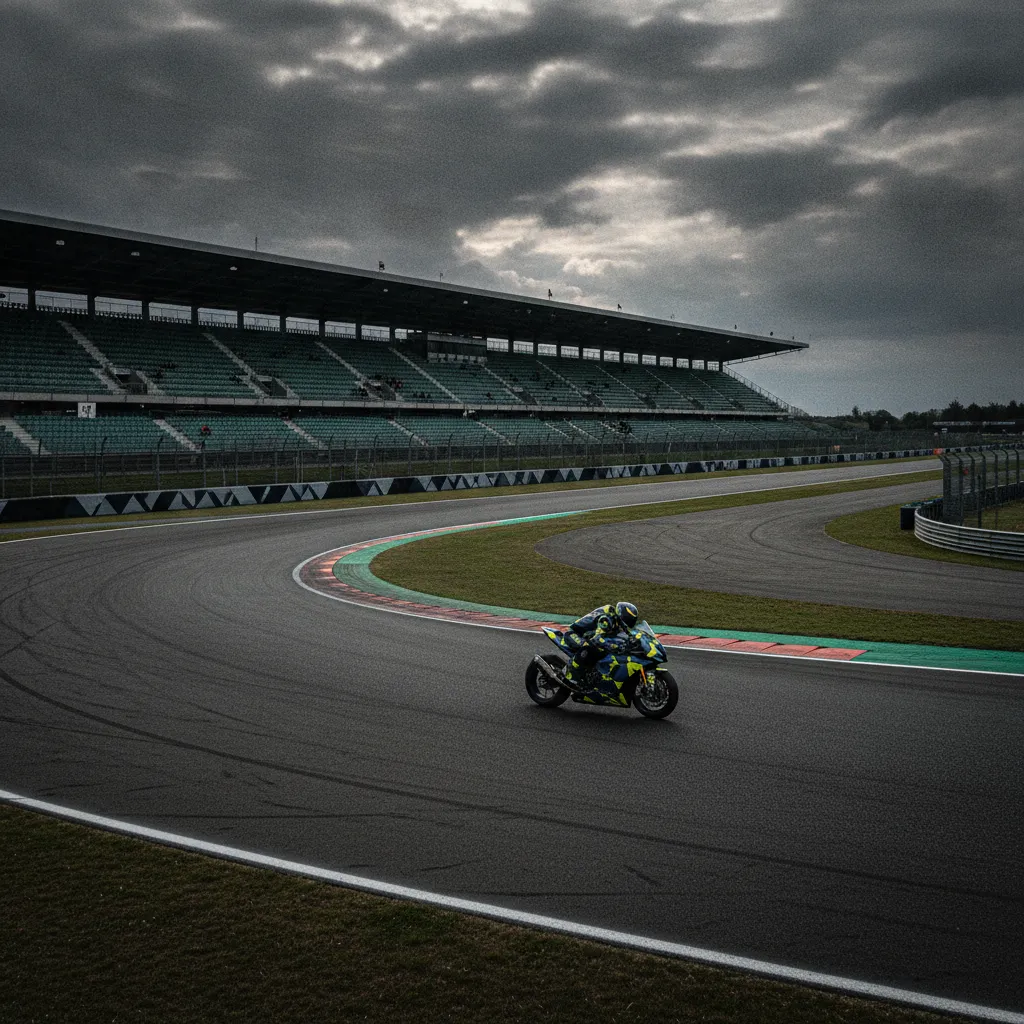
What should I watch for?
During the short 15-minute sessions, watch the strategy unfold. Riders will usually do two ‘runs’. They’ll set an initial lap time, return to the Pit laneThe slow lane beside the track where teams work on the bikes and riders enter and exit.Read the full guide → for fresh, grippy tyres, and then go back out for one final, all-or-nothing attempt as the clock ticks down.
You might also see riders trying to get a ‘SlipstreamThe pocket of calmer air directly behind another bike. Sitting in it means less wind resistance — so you can carry more speed for free.Read the full guide →’. This is where one rider follows another very closely on a straight, using the slipstream (the pocket of cleaner air behind the lead bike) to gain a small speed advantage. It’s a game of cat and mouse that adds another layer of drama to the closing minutes.
Quick Takeaways
- Qualifying is the process that sets the starting grid for Sunday’s main race.
- Friday’s practice times are crucial, as the top 10 fastest riders advance directly to the main qualifying session (Q2).
- All other riders must compete in Qualifying 1 (Q1), where only the fastest two can advance to Q2.
- The 12-rider Q2 session is a 15-minute shootout to decide pole position and the front four rows of the grid.
Quick questions
- Q.What is pole position in MotoGP?
- Pole position is first place on the starting grid. It is awarded to the rider who sets the fastest single lap time during the final qualifying session, known as Q2.
- Q.How long do the qualifying sessions last?
- Both Qualifying 1 (Q1) and Qualifying 2 (Q2) are short and intense 15-minute sessions, where every second counts.
- Q.Do practice session times count for the race grid?
- Not directly. Friday's practice times only determine which riders go straight to Q2 and which must compete in Q1. The final grid is set exclusively by the lap times from the Q1 and Q2 sessions.
- Q.Why is the Dutch race called the TT?
- 'TT' stands for Tourist Trophy, a historic name for motorcycle road racing events. The Dutch event at Assen is the only current Grand Prix to retain this traditional title.