News
Alex Marquez Tops Japanese GP Practice: Who Is Through to Q2
Alex Marquez topped Practice for the Japanese GP, securing a Q2 spot with reigning 2025 MotoGP champion Marc Marquez and championship leader Jorge Martin. Beginner's guide to qualifying.
Independent fan site — not affiliated with MotoGP or MotoGP Sports Entertainment Group (formerly Dorna).
- P1Alex MarquezBK8 Gresini Racing MotoGP1:42.811
- P2Pedro AcostaRed Bull KTM Factory Racing1:42.887
- P3Marc MarquezDucati Lenovo Team1:42.911
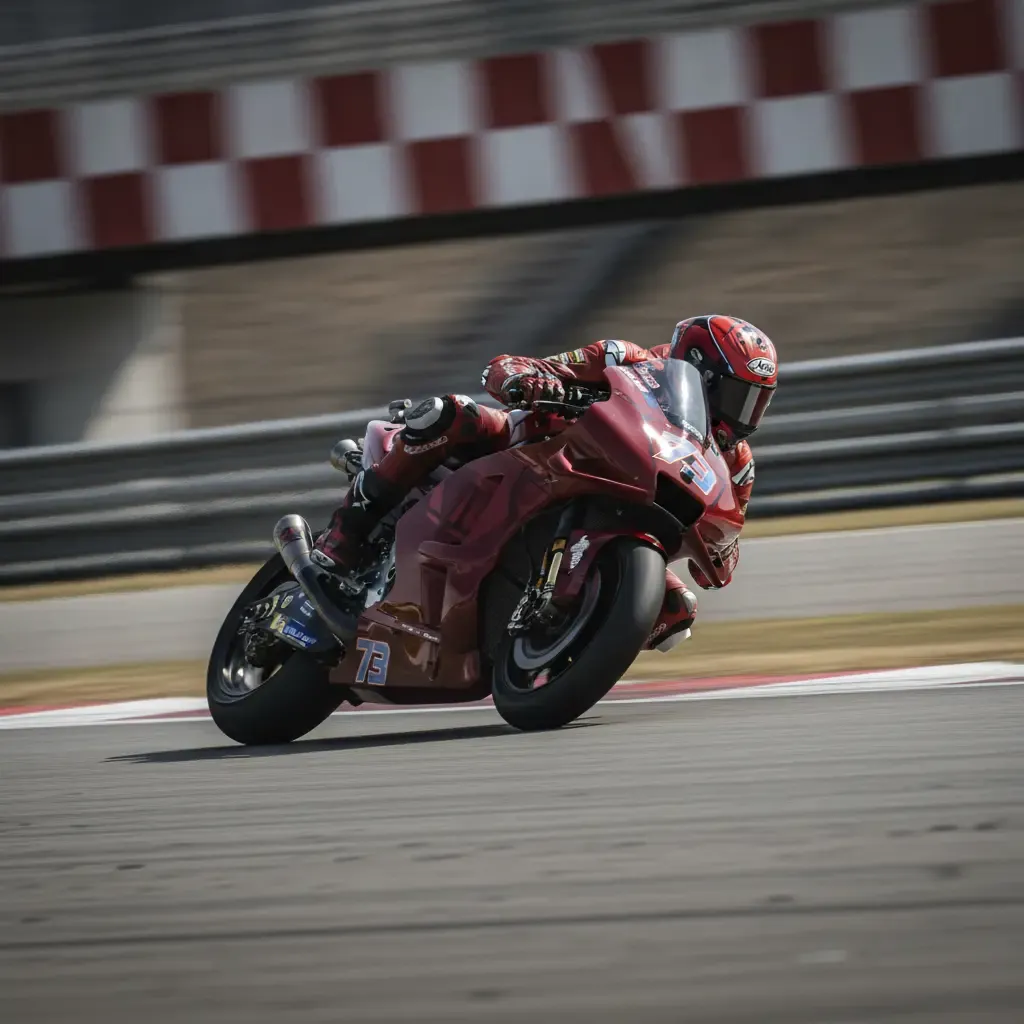
Alex Marquez has topped the timesheets in the crucial Friday PracticeSessions before qualifying where riders set up the bike; the top ten in Friday afternoon's Practice go straight to Q2.Read the full guide → session for the Japanese Grand Prix at the Mobility Resort Motegi. The BK8 Gresini Racing rider put in the fastest lap of the afternoon, ensuring he gets a direct path into the most important part of Saturday’s QualifyingThe timed sessions that set the starting order, split into Q1 and Q2 for the front rows.Read the full guide →.
He was followed by Pedro Acosta for Red Bull KTM Factory Racing in second, with reigning 2025 MotoGP champion Marc Marquez, older brother to Alex, third on his factory Ducati. While no points are awarded on a Friday, this session is vital for shaping the rest of the race weekend.
What happened in Japanese GP Practice?
The one-hour Practice session on Friday afternoon is all about pure speed. Riders aim to set the single fastest lap time they possibly can, because the result determines how their Saturday qualifying will be structured. It’s a high-stakes dash for a spot in the top ten.
Alex Marquez set the benchmark time, showing strong pace on his satellite Ducati. He was closely followed by Acosta, who continues to impress in his third season in the premier class, and Marc Marquez, who is currently second in the championship standings. The session decides who has an easier route to a good grid position and who faces a much tougher challenge.
What are Q1 and Q2 in qualifying?
If you’re new to MotoGP, the qualifying system can seem a little confusing at first, but it’s quite simple once you get the hang of it. Its job is to decide the starting order, or ‘grid’, for both the short Sprint raceA short Saturday race over half the distance, awarding points to the top nine finishers.Read the full guide → on Saturday and the main Grand Prix on Sunday.
Qualifying is split into two parts: Qualifying 1 (Q1) and Qualifying 2 (Q2). Friday’s Practice session is the decider for who goes where. The ten fastest riders from Practice get a ‘free pass’ straight into Q2. This is the main event, a 15-minute shootout where the top 12 grid positions are decided. The fastest rider in Q2 takes the coveted ‘Pole positionFirst place on the starting grid, earned by the fastest qualifying lap.Read the full guide →’ – first place on the grid.
Every rider from 11th place downwards in Practice must first go into Q1. This is a tense, 15-minute preliminary session where only the two fastest riders get to ‘graduate’ and join the ten who are already waiting in Q2. Everyone else in Q1 is eliminated, and their finishing position in that session sets their grid spot from 13th place downwards. This makes getting into the top ten on Friday incredibly important.
Who is safely through to Q2?
Alongside the top three of Alex Marquez, Pedro Acosta, and Marc Marquez, seven other riders booked their place in the all-important Q2 session. This means they can relax a little, knowing they will be fighting for one of the top four rows on the grid.
The riders who are safely through are: Marco Bezzecchi, Enea Bastianini, Fabio Di Giannantonio, Fabio Quartararo, current championship leader Jorge Martin, rookie Diogo Moreira, and veteran Johann Zarco.
For championship leader Martin, securing a Q2 spot is a solid start to the weekend, allowing him to focus on fighting his main rival, Marc Marquez, for pole position on Saturday.
Which big names face a difficult Saturday in Q1?
While ten riders celebrated, many others were left with the daunting prospect of having to fight their way through Q1. This session is often called the ‘shark tank’ because it’s full of fast, desperate riders all fighting for just two progression spots.
Several huge names missed the top-ten cut. Most notably, three-time world champion Francesco Bagnaia could only manage 16th place, meaning he has a huge job to do on Saturday. He is joined in Q1 by KTM factory rider Brad Binder (12th) and his Red Bull KTM Tech3 counterpart Maverick Viñales (22nd).
With riders like Raul Fernandez, Franco Morbidelli, Ai Ogura and Jack Miller also in the Q1 mix, it’s guaranteed that some very successful and competitive riders will be starting Sunday’s Grand Prix from far down the grid. This makes their race incredibly difficult before it has even begun.
Quick Takeaways
- Alex Marquez was fastest in Friday’s Practice session at Motegi, but this does not award any points or pole position.
- The top ten riders from this session, including the Marquez brothers and championship leader Jorge Martin, advance directly to the main Q2 qualifying shootout.
- Several top riders, including three-time world champion Francesco Bagnaia and factory KTM rider Brad Binder, missed the cut and must now go into the high-pressure Q1 session.
- Only the two fastest riders from Q1 will advance to Q2, meaning some big names are guaranteed to start the races from 13th place or lower.
Quick questions
- Q.What is the difference between Q1 and Q2 in MotoGP qualifying?
- Qualifying is a two-part system to set the race grid. The top 10 from Friday Practice go straight to Q2. Everyone else goes to Q1, where only the fastest two can advance to join the others in Q2. Q2 is the final 12-rider session that decides pole position and the top of the grid.
- Q.Does the fastest rider in Practice get pole position?
- No. Practice only determines who gets to skip Q1 and go directly to Q2. Pole position is awarded to the rider who sets the fastest lap time in the Q2 qualifying session on Saturday.
- Q.Why is it bad for a top rider to be in Q1?
- It adds huge pressure and risk. They must be one of the top two in a short, fiercely competitive session just to have a chance at a top-12 grid spot. If they don't make it, they are guaranteed to start 13th or lower, making it much harder to fight for a win in the races.