News
2026 MotoGP Mid-Season Review: Key Moments and What to Expect Next
The 2026 MotoGP season has delivered a thrilling first half, with a tight championship battle, surprise winners, and dramatic races setting the stage for a tense finale.
The roar of engines has temporarily faded as the 2026 MotoGP World Championship enters its traditional summer break. After a breathless series of races across Europe, it’s the perfect moment to catch our breath, look back at the key storylines, and see what might be in store when the action resumes.
For newcomers to the sport, the first half of a season is where the championship picture starts to take shape. Friendships are tested, rivalries ignite, and every single point becomes precious. So far, 2026 has not disappointed.
Who is leading the championship?
This year’s title fight is proving to be incredibly close, with several riders in contention at the halfway mark. We’ve seen a fascinating battle develop between established champions and a new generation of hungry, young talent, meaning the leadership has changed hands multiple times.
In MotoGP, winning isn’t everything; consistency is the key to a championship. A rider who regularly finishes in the top five, even without winning every weekend, can often lead the standings over someone who wins one race and crashes in the next. The current leaders have balanced raw speed with smart racing, collecting valuable points at every round.
This tight battle at the top means there is no clear favourite. As the pressure builds in the second half of the season, avoiding mistakes will be just as important as outright pace.
What have been the standout races?
Several races have already become instant classics. We’ve been treated to thrilling last-lap duels where the winner was only decided in the final corner, with riders separated by mere fractions of a second. These head-to-head battles are what make the sport so compelling.
The season has also been spiced up by unpredictable weather. One of the most dramatic events was a ‘Flag-to-flagA race where the weather changes and riders pit to switch bikes without the race stopping.Read the full guide →’ race, a situation where rain starts to fall mid-race. This forces riders to enter the Pit laneThe slow lane beside the track where teams work on the bikes and riders enter and exit.Read the full guide → and swap to their spare bike, which is fitted with special wet-weather tyres. It’s a test of strategy and nerve for the teams and riders, and it can completely shuffle the race order.
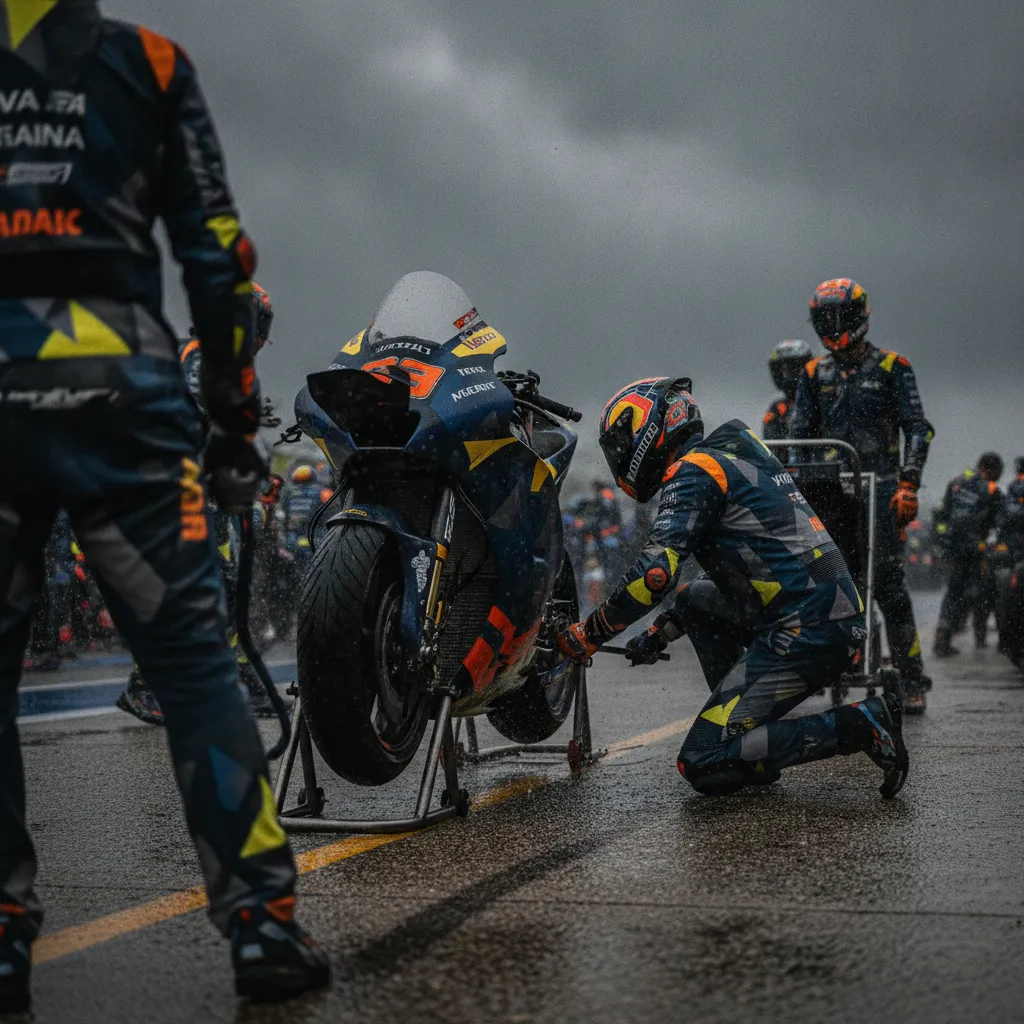
These chaotic races often produce surprise winners and are a fantastic showcase of rider skill in adapting to changing conditions. They reward bravery and quick thinking, and we’ve seen both in abundance this year.
Which riders have surprised everyone?
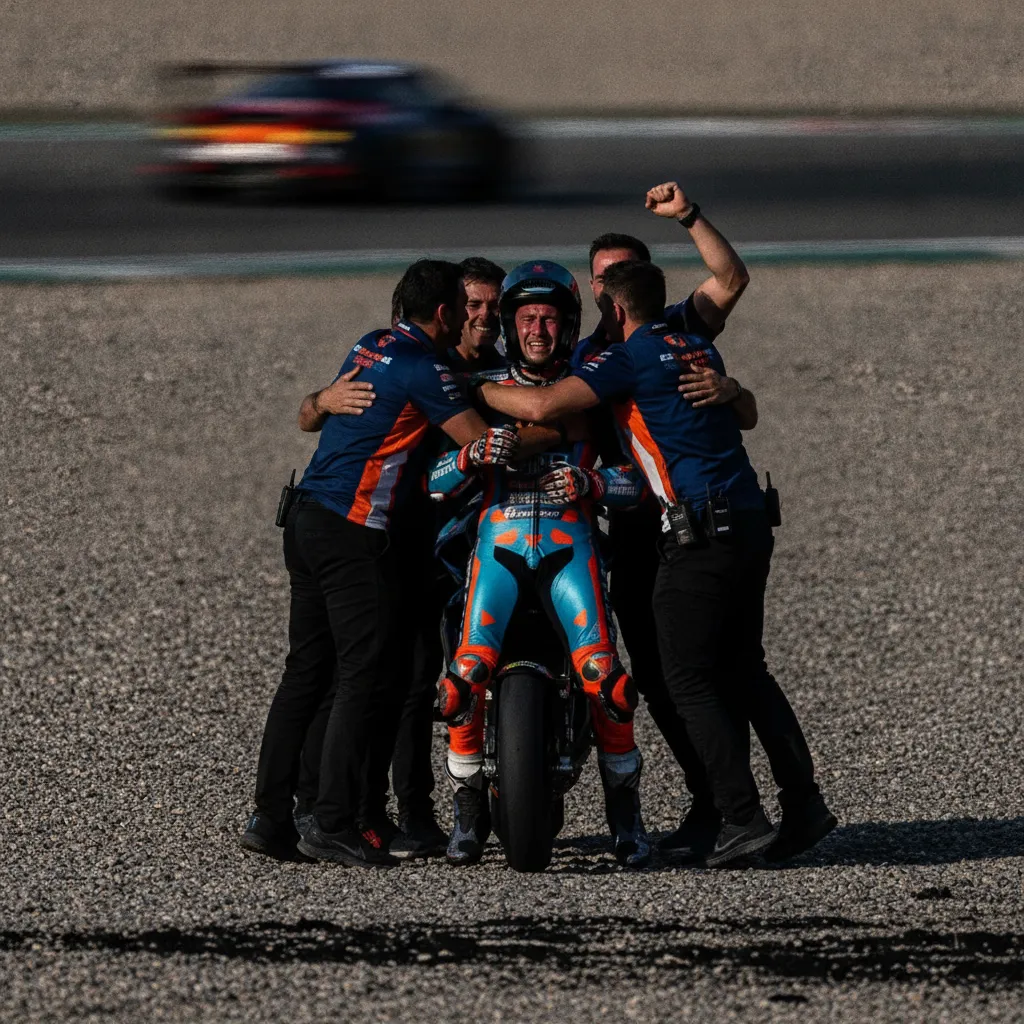
One of the best stories of 2026 has been the performance of riders from satellite teams. These are independent teams that lease machinery from the main manufacturers, known as ‘factory teams’. While they often have slightly older equipment, they can still challenge for victories.
This year, several satellite riders have done more than just challenge; they have secured podium finishes and even wins, upsetting the established order. This proves that rider talent can make a huge difference, and it adds another layer of unpredictability to every race weekend.
We have also seen impressive performances from the season’s rookies. Making the step up to a MotoGP bike – a machine with over 300 horsepower – is incredibly difficult, but some newcomers have adapted quickly, scoring solid points and showing they have what it takes to compete at the highest level.
What’s the story with the manufacturers?
The battle between the different bike manufacturers (like Ducati, KTM, Aprilia, Yamaha, and Honda) is just as fierce as the riders’ championship. Each brand has a unique philosophy for building the fastest motorcycle on the planet, and the balance of power has been shifting throughout the year.
Early in the season, one manufacturer appeared to have a clear advantage, but their rivals have been working hard to close the gap. They bring new parts to almost every race, particularly focusing on WingletsSmall wings on the bodywork that create downforce to keep the front wheel down and improve stability.Read the full guide → – the complex wings and bodywork you see on the bikes. These are designed to help the bike stick to the track at high speed and improve its turning behaviour.
This constant development means a bike that is dominant at one circuit might struggle at the next, keeping the competition lively and ensuring no single team can relax.
What can we expect in the second half?
When the season resumes, the championship enters its ‘flyaway’ phase, with a demanding schedule of races outside Europe in places like Asia and Australia. This part of the calendar is often where champions are made.
The constant travel, different time zones, and unique track layouts present a huge challenge. A rider who performs well during this leg of the season can build a decisive lead, while a mistake can ruin a year’s hard work. The pressure will be immense.
With the points gap at the top so small, we can expect the intensity to ramp up. The rivalries that have been simmering will likely boil over, and every QualifyingThe timed sessions that set the starting order, split into Q1 and Q2 for the front rows.Read the full guide → session and race will be critical. It’s all perfectly poised for a spectacular conclusion to the 2026 season.
Quick Takeaways
- The championship fight is extremely close between several riders, with no clear favourite yet.
- Dramatic races, including last-lap battles and rain-affected events, have provided huge excitement.
- Riders from independent satellite teams have been a major story, challenging the factory giants for wins.
- The second half of the season moves outside Europe, where the high-pressure ‘flyaway’ races will likely decide the title.
Quick questions
- Q.What is a 'satellite team' in MotoGP?
- A satellite team is an independent team that leases motorbikes, parts, and technical support from one of the major manufacturers (the 'factory teams'). They often run slightly older equipment but can still be highly competitive.
- Q.How many races are in the 2026 MotoGP season?
- The 2026 MotoGP calendar is scheduled to have 22 race weekends, known as Grands Prix. Each weekend includes practice, qualifying, a short Sprint race on Saturday, and the main Grand Prix race on Sunday.
- Q.What do riders and teams do during the summer break?
- The summer break is a mandatory shutdown period. For riders, it's a chance to rest, recover from any injuries, and train. For the teams and factories, it's a crucial time to analyse data from the first half of the season and plan developments for the second half.
- Q.What is a 'flag-to-flag' race?
- This is a race that starts in dry conditions but experiences rain (or vice versa). Riders are permitted to enter the pits during the race to switch to their spare bike, which will be set up with tyres appropriate for the new weather conditions.