Jargon Buster
What is Sandbagging in MotoGP?
Ever wonder why top riders are slow in practice? Discover sandbagging, the clever racing tactic of deliberately hiding your true speed to fool rivals.
Independent fan site — not affiliated with MotoGP or MotoGP Sports Entertainment Group (formerly Dorna).
The Friday Puzzle: Why Are The Favourites So Slow?
Picture the scene. It’s Friday afternoon at a sunny Grand Prix circuit. You’re glued to the timing screen, watching the first PracticeSessions before qualifying where riders set up the bike; the top ten in Friday afternoon's Practice go straight to Q2.Read the full guide → sessions, excited to see the championship leaders set the pace. But instead of topping the charts, your favourite rider is languishing in 14th place, a full second slower than an underdog on a satellite bike. What’s going on? Has their team lost its way?
Probably not. You might be witnessing one of motorsport’s oldest and most fascinating strategic games: sandbagging.
So, What Exactly is Sandbagging?
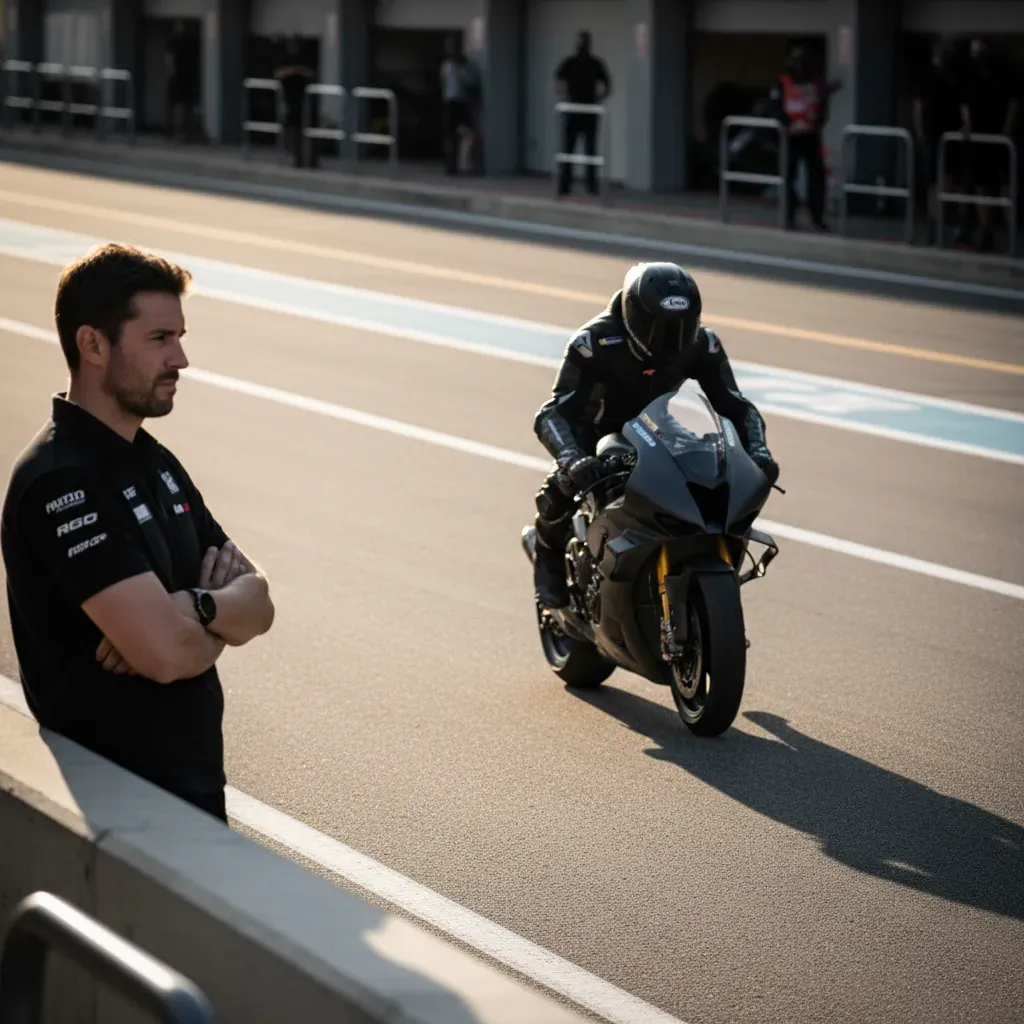
Sandbagging is the tactic of deliberately hiding a bike’s or rider’s true speed during practice sessions. Think of it like a poker player with a brilliant hand. They don’t want to bet big straight away and scare everyone off. Instead, they play it cool, waiting for the perfect moment to reveal their strength when the stakes are highest.
In MotoGP, teams do this to mislead their rivals about their performance potential. By posting slower-than-expected lap times, they can work on their own programme in peace, avoid unwanted attention, and keep their competitors guessing about their real strategy for QualifyingThe timed sessions that set the starting order, split into Q1 and Q2 for the front rows.Read the full guide → and the race.
How to Hide a 220mph Spaceship’s True Speed
You can’t just ask a rider to “go a bit slower.” Hiding pace is a science, and teams have several clever ways to do it without compromising their important practice work.
Running on Old Tyres
MotoGP bikes have different types of tyres, known as ‘compounds’, ranging from soft (very grippy but wears out fast) to hard (less grippy but lasts much longer). A brand new set of soft tyres is what riders use to set those breathtaking, headline-grabbing lap times.
A classic sandbagging technique is to do most of the practice running on used, worn-out tyres. This helps the team understand how the bike will behave late in a race when the rubber is past its best. It’s crucial data, but it naturally results in much slower lap times, neatly hiding their one-lap potential on fresh rubber.
Using a ‘Tamer’ Engine Mode
A modern MotoGP engine is a complex beast, controlled by sophisticated electronics. The bike’s computer has different ‘engine maps’, which are essentially settings that change the engine’s behaviour. A team can select a map that delivers less power, is smoother on the throttle, and uses less fuel.
During practice, a team might use one of these tamer modes to save wear and tear on the engine, which has a limited life. They save the full-power, aggressive “qualifying map” for when it really counts. This keeps their true engine performance under wraps.

Short-Shifting and Full Fuel Tanks
Another trick is for the rider to ‘short-shift’. This means they change up a gear before the engine reaches its maximum revs. Instead of the high-pitched scream you hear when a rider is pushing for a fast lap, the engine note will sound deeper and less frantic. It’s smoother and saves the engine, but it’s also deliberately slower.
Teams also frequently run with a full tank of fuel (around 22 litres) to simulate the start of a race. The extra weight makes the bike harder to stop, turn, and accelerate, leading to slower times. In contrast, a qualifying lap is done with only a tiny amount of fuel, making the bike as light and nimble as possible.
Why Bother Playing Mind Games?
Sandbagging isn’t just about being secretive; it’s a powerful competitive tool with several benefits.
It’s All About Race Pace
The single most important reason is that practice is for practising, not performing. A race isn’t won with one super-fast lap. It’s won by being consistently fast for 25 laps, even when the tyres are worn and the fuel is low. This consistency is called ‘race pace’.
Most of a team’s work on Friday is dedicated to finding a comfortable, stable bike setup that is kind to its tyres and fast over a long distance. This methodical work rarely produces the fastest outright lap times, but it’s what builds the foundation for a victory on Sunday.
Keeping Rivals in the Dark
If a team shows a massive speed advantage on Friday, their rivals get a whole day to react. They will study the fast team’s data, analyse video footage, and try to figure out where the time is being found. This gives them a chance to copy ideas or change their own strategy.
By sandbagging, a team can keep its advantage a secret until it’s too late for anyone else to respond effectively. It creates uncertainty and can put pressure on rivals, who might be worrying about their own performance instead of yours.
Is It Cheating?
Absolutely not. Sandbagging is a perfectly legal and accepted part of motorsport strategy. There are no rules that say a rider must push to 100% of their ability during a practice session. It’s simply a team choosing to focus on its own programme rather than chasing glory on the timesheets.

So, the next time you see a big name at the bottom of the practice results, don’t panic. They probably aren’t in trouble. They’re likely playing the long game, gathering data, and hiding their true speed. It turns watching practice from a simple time trial into a fascinating game of cat and mouse, where the real picture only becomes clear when the lights go out on Sunday.
Quick Takeaways
- What it is: Sandbagging is the strategy of deliberately going slower than possible during practice to hide a team’s true pace.
- Why they do it: To mislead rivals, avoid giving away performance advantages, and focus on crucial race setup work instead of single-lap speed.
- How they do it: Common methods include using old, worn tyres, running lower engine power modes, and filling the bike with a full tank of fuel.
- What it means: The Friday practice timesheets often don’t reflect the true competitive order, making the whole race weekend a strategic guessing game.