Beginner Guides
MotoGP Sprint Races Explained: What to Know Before the Dutch Grand Prix
Sprint races are a new, exciting addition to MotoGP. Learn how these half-distance Saturday races work, why they matter, and what to expect at Assen.
If you’re new to MotoGP, you might have heard people talking about the ‘Sprint raceA short Saturday race over half the distance, awarding points to the top nine finishers.Read the full guide →’. Introduced relatively recently, this short, sharp race has completely changed the shape of a Grand Prix weekend, adding a whole new layer of excitement on Saturdays.
With the historic Dutch Grand Prix at Assen on the horizon, now is the perfect time to get to grips with what a Sprint race is, how it works, and why it matters so much in the championship fight.
What exactly is a MotoGP Sprint?
A MotoGP Sprint is a shorter race held on the Saturday afternoon of every Grand Prix weekend. It’s a simple concept: the race distance is exactly half of the main Grand Prix race that takes place on Sunday.
Think of it as an intense, flat-out dash from start to finish. Because the race is shorter, there’s less time for riders to think about complex strategies or tyre management (the art of preserving the rubber on your tyres to make them last the full race distance). It’s all about pure speed and aggressive racing.
How does the weekend schedule work?
The arrival of the Sprint has reorganised the entire weekend. Friday is now dedicated to PracticeSessions before qualifying where riders set up the bike; the combined times decide who goes straight to Q2.Read the full guide → sessions, where riders and their teams work to find the best setup for their bikes.
Saturday is the crucial day. The morning features a final practice session followed by QualifyingThe timed sessions that set the starting order, split into Q1 and Q2 for the front rows.Read the full guide →. The results of Qualifying are incredibly important, as they set the starting grid (the order the riders line up in) for both the Sprint race in the afternoon and the main Grand Prix on Sunday. Then, on Sunday, it’s all about the main event: the full-length Grand Prix.
Are points awarded for the Sprint?
Yes, and this is what makes them so important. While the main race on Sunday awards points to the top 15 finishers, the Sprint awards points only to the top nine. The points are also distributed differently.
The winner of the Sprint gets 12 championship points, with 9 for second, 7 for third, and so on, down to 1 point for ninth place. These points are added to a rider’s overall championship tally, meaning a strong performance on a Saturday can have a huge impact on their title chances.
Why were Sprint races introduced?
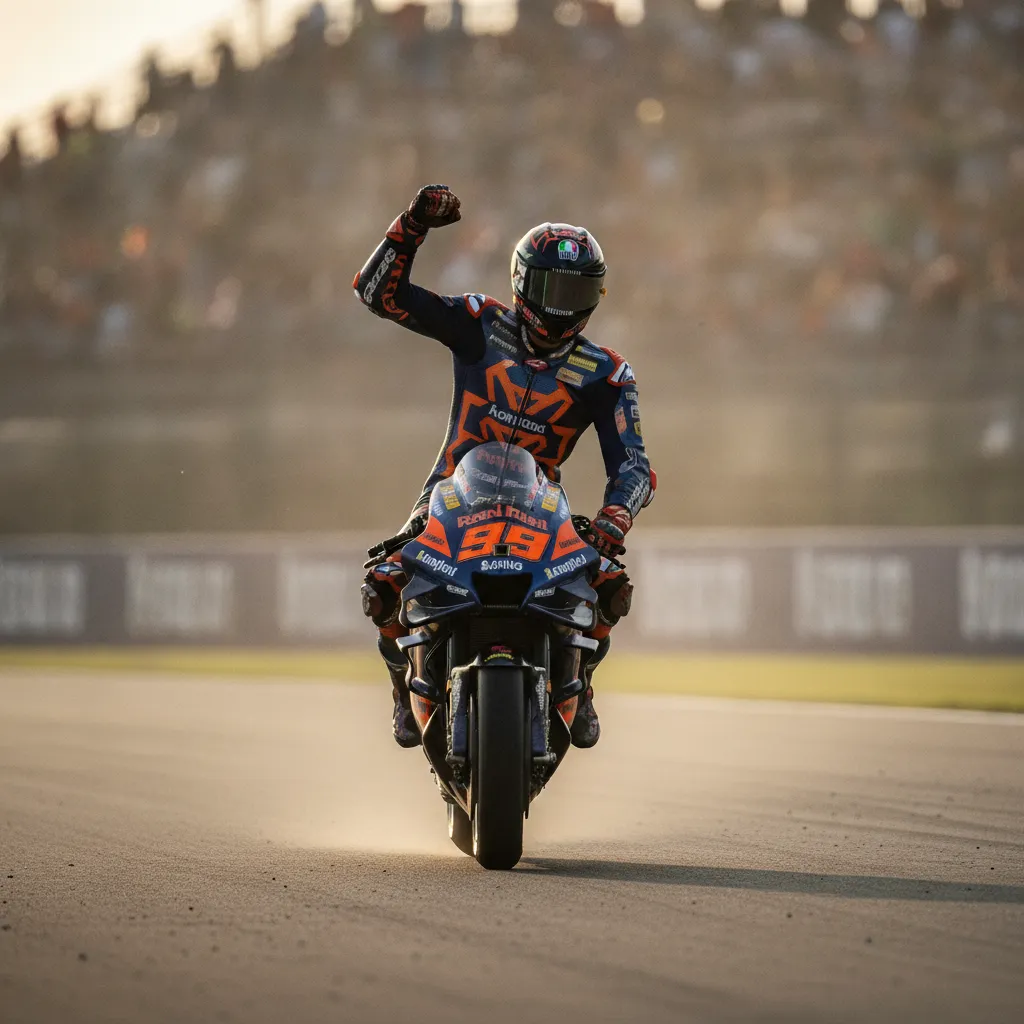
The main reason for bringing in the Sprint was to give fans more action and entertainment throughout the weekend. Previously, Saturdays were all about practice and qualifying, with no actual racing until Sunday.
By adding a race with championship points on the line, Saturdays now have a high-stakes event of their own. It creates another must-watch moment and ensures that every day of a Grand Prix weekend has meaningful competitive action for fans at the track and watching at home.
How do riders approach the Sprint?
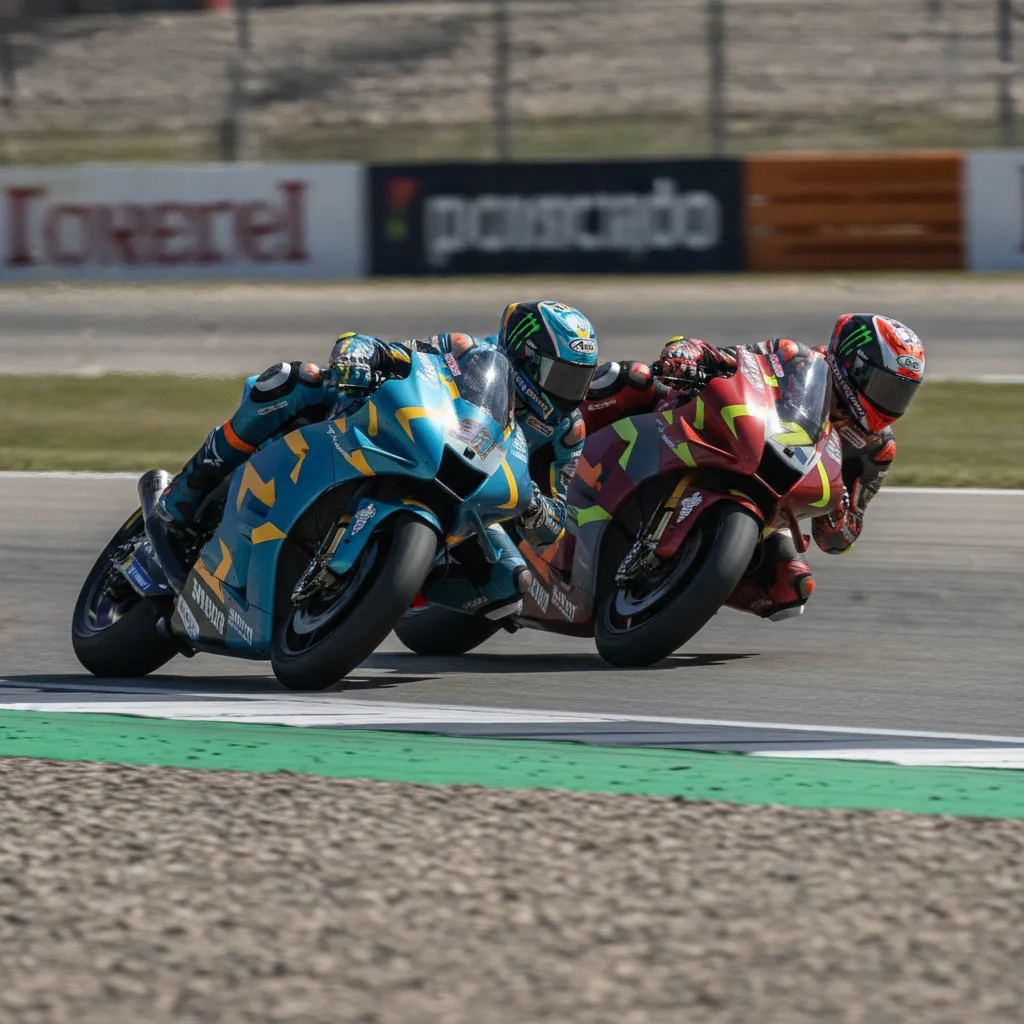
The strategy for a Sprint is very different from a full-length Grand Prix. With only half the laps to complete, riders can push their bikes and tyres to the limit from the very beginning. This often results in much closer and more aggressive racing.
There’s no time to sit back and wait for the race to unfold. Riders have to be aggressive from the moment the lights go out, fighting for every position. This high-intensity format can favour certain riders who excel at close-quarters battles and pure, raw speed.
What can we expect at the Dutch Grand Prix?
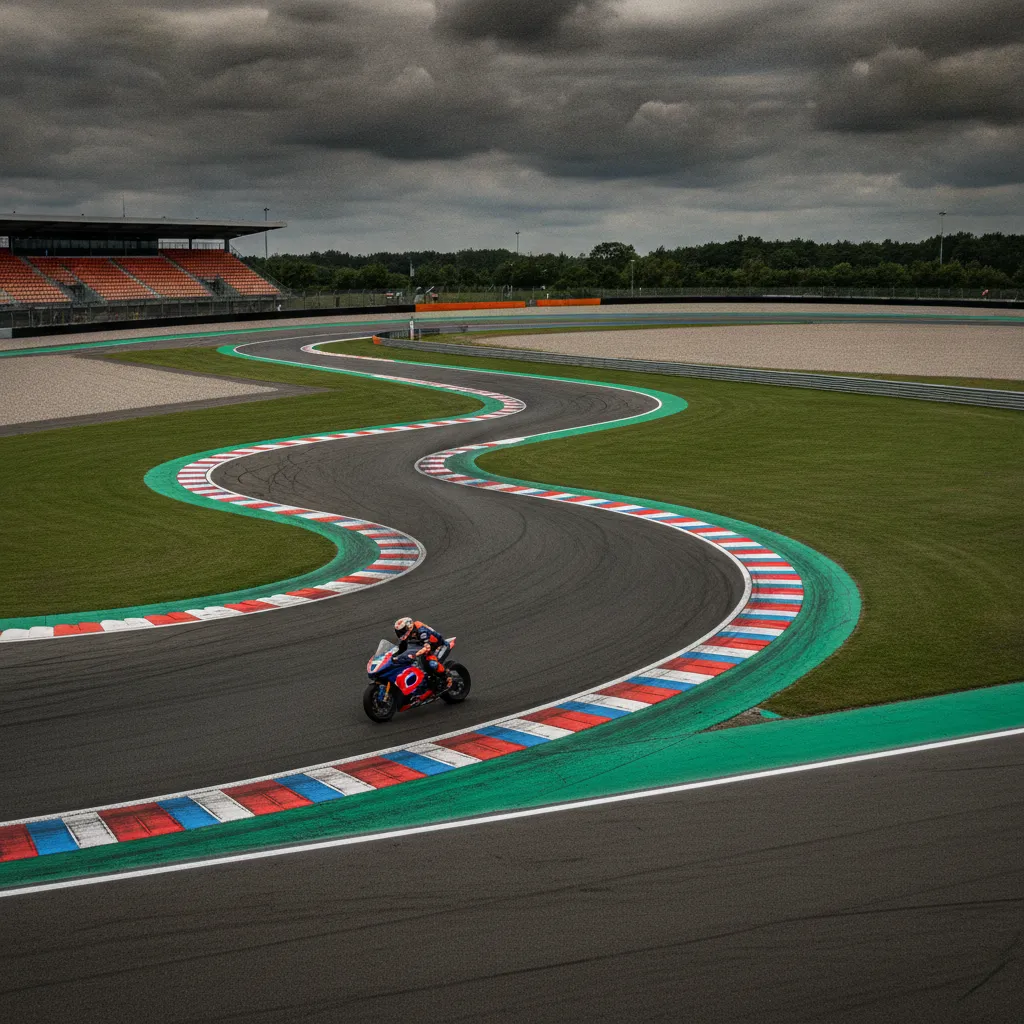
The upcoming race weekend takes place at the legendary TT Circuit Assen in the Netherlands. Known as ‘The Cathedral of Speed’, it’s a fast, flowing track that has been part of the championship since it began. Its mix of high-speed corners and quick changes of direction is a huge test for riders and their machines.
The intense, unforgiving nature of a Sprint race will be fascinating to watch at a classic circuit like Assen. The track’s layout rewards bravery and precision, which are exactly the qualities needed to succeed in the Saturday dash for points.
Does the Sprint result affect the main race?
This is a common point of confusion for newcomers, but the answer is simple: no, it doesn’t. The result of the Saturday Sprint has no bearing on the main Grand Prix on Sunday.
The starting grid for Sunday’s race is determined by the Qualifying session held on Saturday morning. This means a rider could win the Sprint, or crash out of it, and they will still start the main race from the position they earned in Qualifying. It gives them a fresh start for the biggest prize of the weekend.
Quick Takeaways
- The Sprint is a half-distance race held on the Saturday of every MotoGP weekend.
- It awards separate championship points to the top nine finishers, with 12 points for the winner.
- The starting grid for both the Sprint and the main Sunday race is set by the same Qualifying session on Saturday morning.
- Sprints encourage all-out, aggressive racing with less focus on tyre-saving or long-term strategy.
Quick questions
- Q.How long is a MotoGP Sprint race?
- It's exactly half the distance of the main Grand Prix race that takes place on Sunday.
- Q.Do Sprint race results change the grid for Sunday's race?
- No. The starting grid for both races is set by the Qualifying session held on Saturday morning.
- Q.Are the points the same as in the main race?
- No, fewer points are awarded. The winner gets 12 points, second gets 9, and so on down to 1 point for ninth place.
- Q.Is there a Sprint race at every Grand Prix?
- Yes, the current format includes a Sprint race on the Saturday of every MotoGP weekend.