News
Get Ready for the Japanese Grand Prix
The MotoGP title fight heads to Japan with Jorge Martin just 12 points ahead of Marc Marquez. Here's what to expect from the Mobility Resort Motegi.
Independent fan site — not affiliated with MotoGP or Dorna. Text and images are AI-assisted.
The MotoGP world championship is heading east for Round 16 of the season: the iconic Japanese Grand Prix. After a thrilling European leg, the title battle is closer than ever as the riders prepare to tackle the unique challenge of the Mobility Resort Motegi circuit.
For newcomers to the sport, this is a perfect time to jump in. The stakes are incredibly high, and the upcoming weekend promises drama, excitement, and potentially a major shift in the championship standings.
Where are we in the championship?
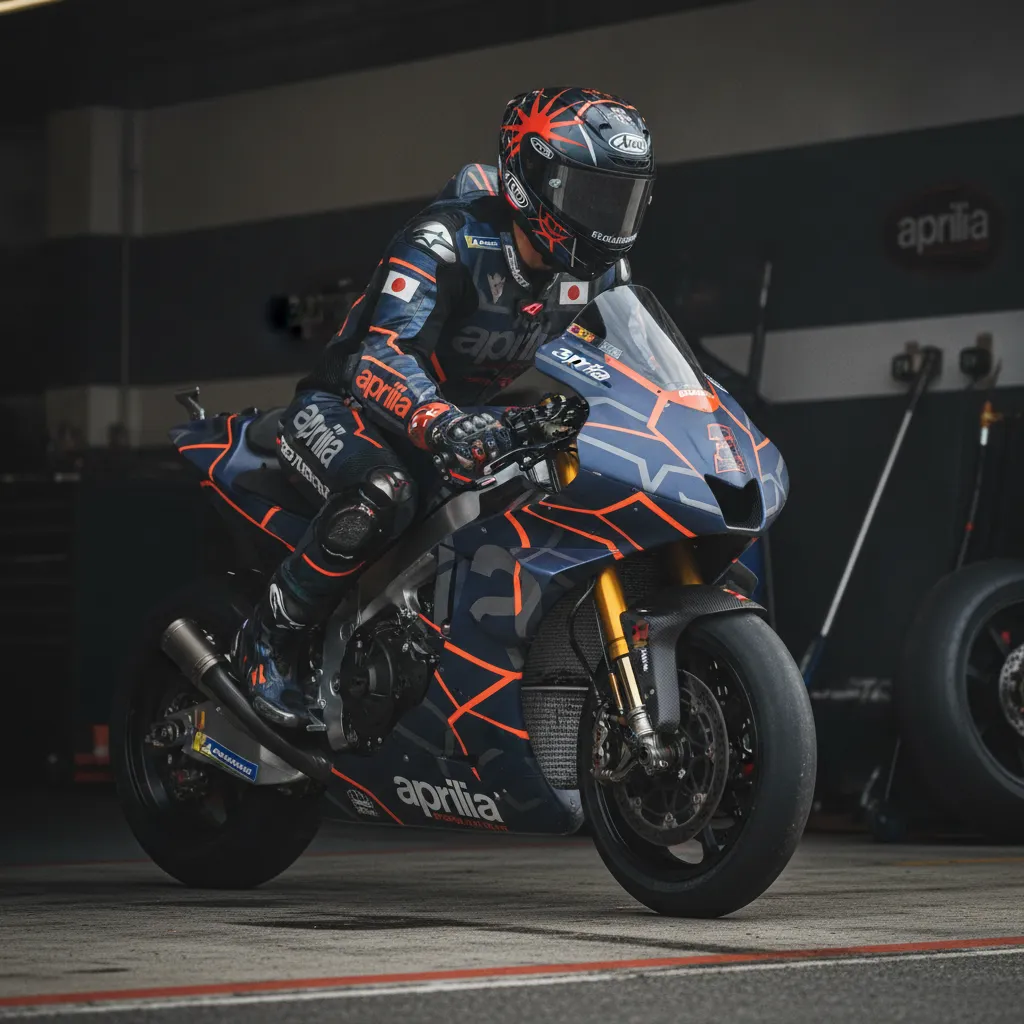
The title fight is currently a tense, two-way battle. Aprilia Racing’s Jorge Martin holds the top spot with 306 points, but he has the reigning world champion, Marc Marquez, breathing down his neck. The Ducati Lenovo Team rider is just 12 points behind on 294.
With seven rounds left in the 2026 season, including Japan, this gap is tiny. A single mistake or a spectacular victory for either rider could completely change the picture. Behind them, Martin’s teammate Marco Bezzecchi is in third place, hoping to close the gap to the leaders.
This late stage of the season is all about pressure and consistency. Every point from now until the final round in Valencia is vital, and the riders know there is no room for error.
What is the Motegi circuit like?
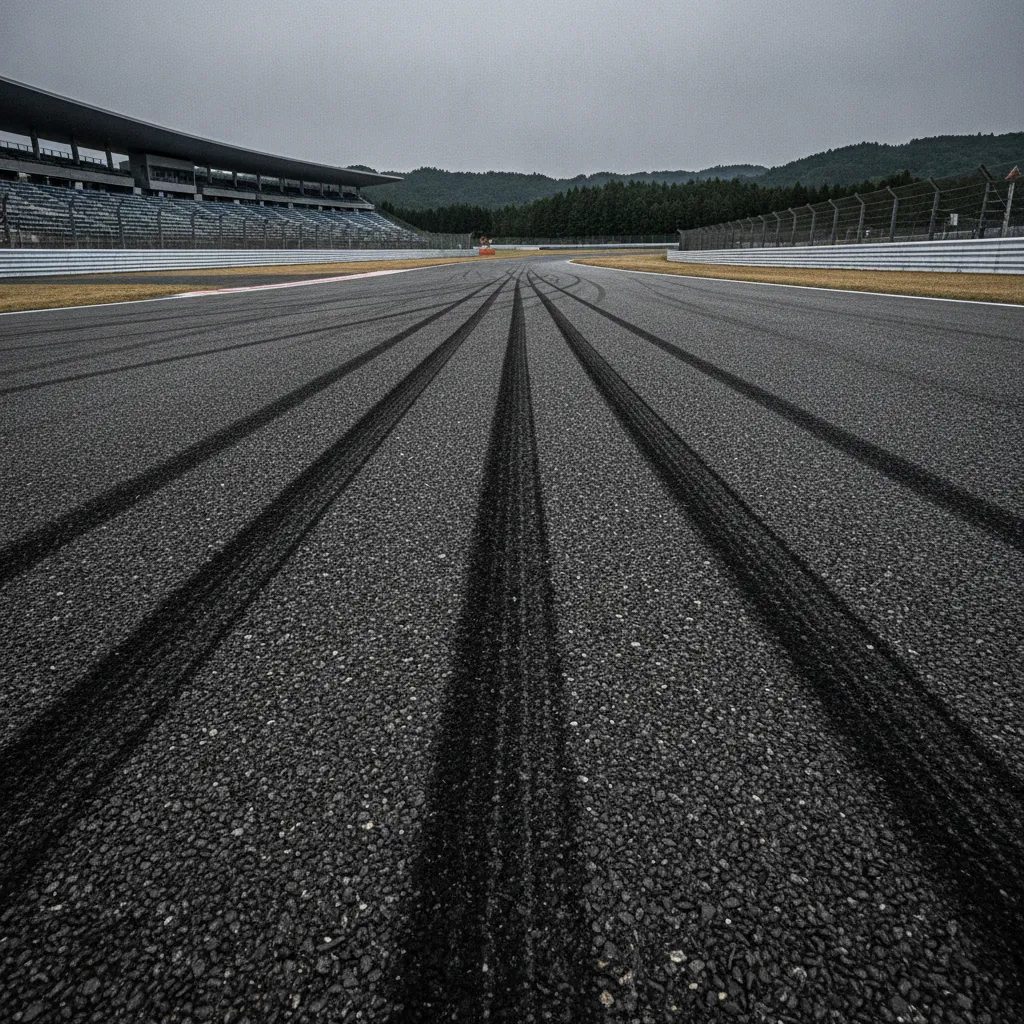
Mobility Resort Motegi is famous for its ‘stop-and-go’ layout. This means the track is dominated by long straights that run into very tight, slow corners. Riders have to brake incredibly hard from high speed, navigate the corner, and then accelerate powerfully back onto the next straight.
This kind of circuit is a huge test for the bikes, particularly their braking stability and engine performance. It’s less about flowing, high-speed corners and more about raw power and control. It’s also a home race for two of the sport’s biggest manufacturers, Honda and Yamaha, who will be desperate for a strong result in front of their home fans and bosses.
Who are the riders to watch?
While any of the roughly 23 riders on the grid can challenge for a win, all eyes will be on the main championship contenders. Jorge Martin has been a model of consistency, while Marc Marquez has been relentless in his pursuit, taking five Grand Prix victories so far this season.
Beyond the top two, keep an eye on Pedro Acosta. The Red Bull KTM Factory Racing rider has been astonishing in his third season in MotoGP, already winning a Grand Prix in Austria. His fearless style means he is always exciting to watch.
This is also a huge weekend for Ai Ogura of the SuperFile Trackhouse team. As the leading Japanese rider in the championship, he will have enormous support from the home crowd. Having already won the Dutch TT this year, he has proven he can compete at the very front.
What happens on a race weekend?
A MotoGP weekend is spread over three days. Friday is for PracticeSessions before qualifying where riders set up the bike; the top ten in Friday afternoon's Practice go straight to Q2.Read the full guide → sessions, where riders and teams work on getting their bike’s setup just right for the specific track. This involves adjusting things like suspension and electronics to match the circuit’s demands.
Saturday is when things get serious. After a final practice, the riders head into QualifyingThe timed sessions that set the starting order, split into Q1 and Q2 for the front rows.Read the full guide → to set the fastest lap time they can. This determines their starting position on the grid for both races. On Saturday afternoon, we have the Sprint raceA short Saturday race over half the distance, awarding points to the top nine finishers.Read the full guide → – a short, half-distance race that awards half points to the top nine finishers.
Sunday is the main event: the full-length Grand Prix. This is where the biggest points are awarded, and it’s the race every rider dreams of winning. The combination of the Sprint and the Grand Prix means there is competitive action on both Saturday and Sunday.
Why is this race so important?
With the points so close at the top, the Japanese Grand Prix could be a pivotal moment in the 2026 season. A win for Martin could give him a bit of breathing room, while a victory for Marquez could see him take over the championship lead for the first time.
For the other riders, it’s a chance to make a statement and disrupt the title fight. The unique layout of Motegi can sometimes produce unexpected results, and with the ever-present threat of rain in this region, anything could happen.
Quick Takeaways
- The championship battle is incredibly close between leader Jorge Martin (Aprilia) and reigning champion Marc Marquez (Ducati).
- The Japanese Grand Prix is held at Motegi, a track known for its demanding ‘stop-and-go’ character with heavy braking and hard acceleration.
- This is a hugely important home race for Japanese manufacturers Honda and Yamaha, and for local rider Ai Ogura.
- The weekend includes two races: the short Sprint on Saturday and the main Grand Prix on Sunday, both of which award crucial championship points.
Quick questions
- Q.What is a MotoGP Sprint race?
- The Sprint is a shorter race held on Saturday afternoon at every Grand Prix. It runs for half the distance of the main race and awards half points to the top nine finishers, adding extra excitement to the weekend.
- Q.Who is leading the 2026 MotoGP championship?
- Heading into the Japanese Grand Prix, Aprilia Racing's Jorge Martin leads the championship with 306 points. He is 12 points ahead of Ducati Lenovo Team's Marc Marquez.
- Q.Why is the Japanese Grand Prix important?
- It's a crucial late-season round in a very tight championship battle. It is also the home race for major manufacturers like Honda and Yamaha, adding extra prestige and pressure for them to perform well.
- Q.What makes the Motegi circuit special?
- Motegi is known for its 'stop-and-go' nature, with long straights followed by very tight corners. This places a heavy demand on a bike's braking performance and acceleration, making it a unique technical challenge.