News
German Grand Prix Sprint Race: What to Expect at Sachsenring
The German Grand Prix features a Saturday Sprint Race. It's a half-distance dash for points that adds excitement but doesn't set the grid for Sunday's main event.
- P1Marc MarquezDucati Lenovo Team
- P2Alex MarquezBK8 Gresini Racing MotoGP+0.368
- P3Fabio Di GiannantonioPertamina Enduro VR46 Racing Team+0.813
The MotoGP PaddockThe fenced-off working area behind the pits where teams, hospitality and motorhomes are based.Read the full guide → has arrived in Germany for one of the most unique challenges on the calendar: the Sachsenring. Before Sunday’s main event, the weekend kicks off with the intense and unpredictable Sprint raceA short Saturday race over half the distance, awarding points to the top nine finishers.Read the full guide → on Saturday afternoon.
For new fans, this shorter race is a fantastic introduction to the speed and aggression of MotoGP. It’s a flat-out dash for early championship points that can set the tone for the rest of the weekend.
What exactly is a Sprint Race?
Think of the Sprint as a bite-sized version of a full Grand Prix. It’s a shorter race, running for roughly half the distance of the main event on Sunday. This means the riders have less time to think about strategy or tyre management; it’s about maximum attack from start to finish.
Crucially, the Sprint offers championship points. The winner gets 12 points, with points awarded down to the rider in ninth place, who receives one. While these are fewer than the 25 points available for a Sunday win, they can make a huge difference in the championship standings over the course of a season.
How does the Sprint affect the main race?
This is a common point of confusion for newcomers, but the answer is simple: the Sprint result has no impact on the starting grid for Sunday’s Grand Prix. The grid for both races is decided by the QualifyingThe timed sessions that set the starting order, split into Q1 and Q2 for the front rows.Read the full guide → sessions that take place earlier on Saturday.
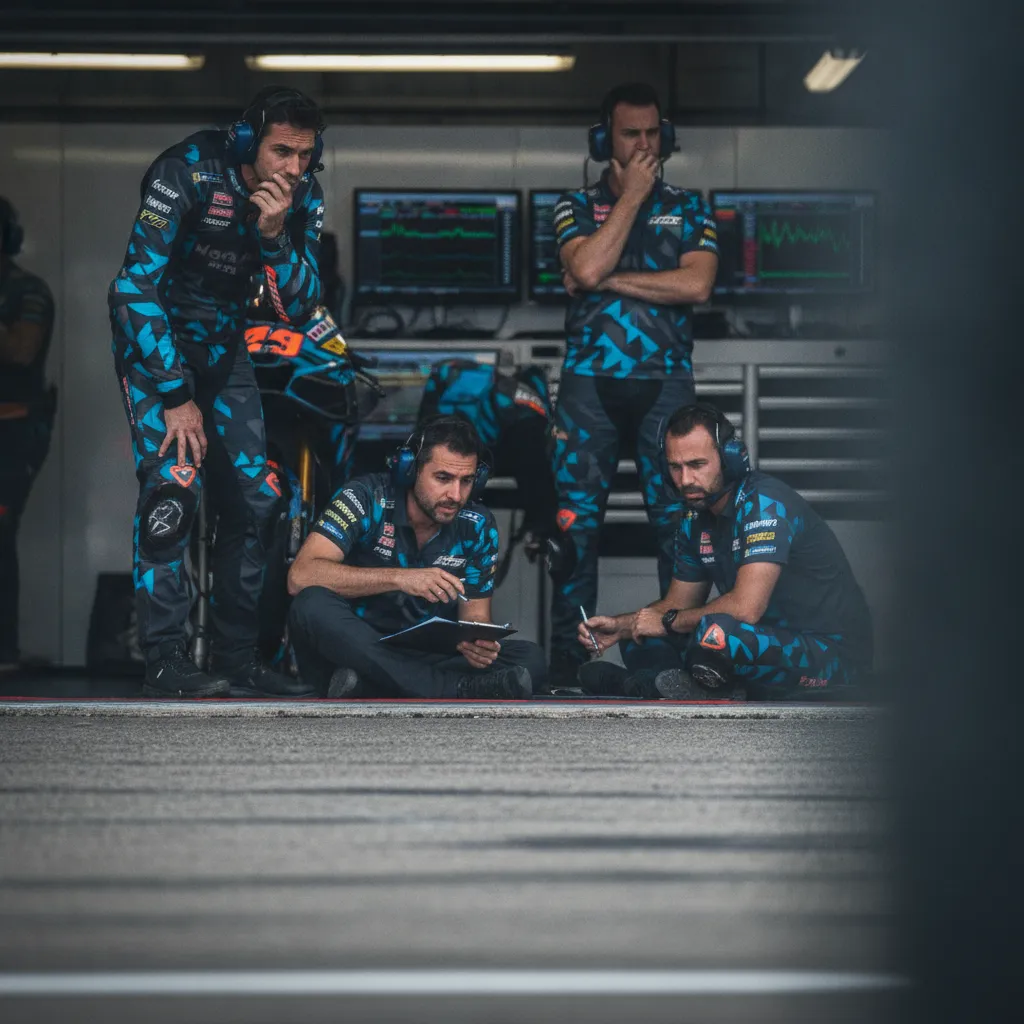
The Sprint is a completely standalone event for points. However, it gives riders and their teams a huge amount of valuable information. They get to see how the bike behaves in race conditions and how the tyres wear, which helps them fine-tune their strategy for the longer, more demanding race on Sunday.
What makes the Sachsenring circuit special?
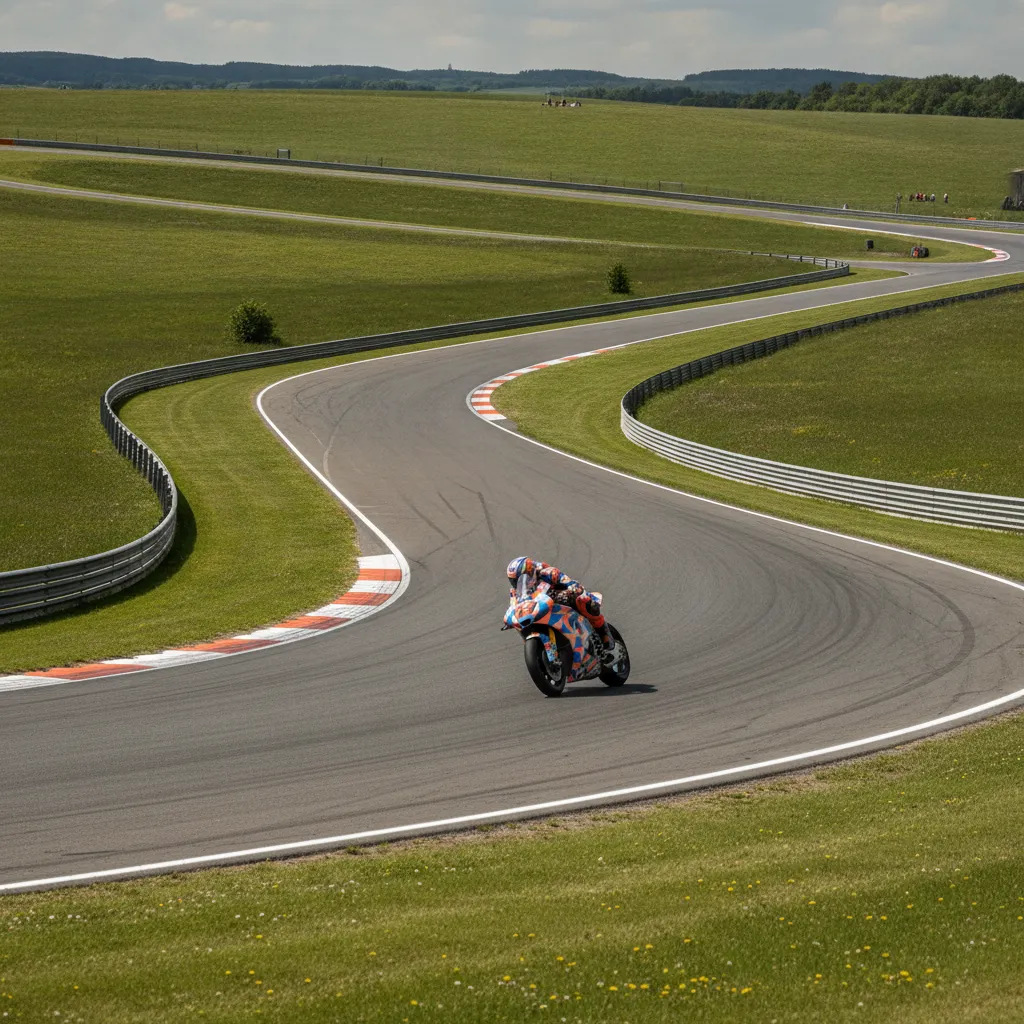
The Sachsenring is a real outlier in the MotoGP championship. It’s one of the shortest and slowest tracks on the calendar, but that doesn’t make it easy. Its most famous feature is that it runs anti-clockwise, which is rare.
The layout is dominated by a long series of fast, left-hand corners. With ten left turns and only three right turns, it puts an incredible amount of stress on the left side of the tyres. Riders spend a lot of time leaned over on one side, which is physically demanding and presents a unique technical challenge for the teams setting up the bikes.
One corner to watch is the fearsome Turn 11, a super-fast downhill right-hander that riders approach after a long time on the left side of the tyre. This means the right side of the tyre has cooled down, making it a notorious spot for crashes if a rider is not careful.
Who are the riders to watch?
In any Sprint, the championship leaders are always key figures. They will be aiming to score solid points to protect or extend their advantage, but they must also balance the risk of a crash that could compromise their entire weekend.
Keep an eye on the riders who have a strong history at this particular circuit. The unusual nature of Sachsenring often rewards experience, and certain riders have a knack for mastering its tricky layout. For many years, for example, Marc Márquez was almost unbeatable here, earning him the nickname ‘King of the Ring’.
Finally, some riders and bikes have proven to be ‘Sprint specialists’. The aggressive, shorter format suits a particular riding style and bike behaviour, and you’ll often see the same names fighting at the front on a Saturday afternoon.
What does this mean for the championship?
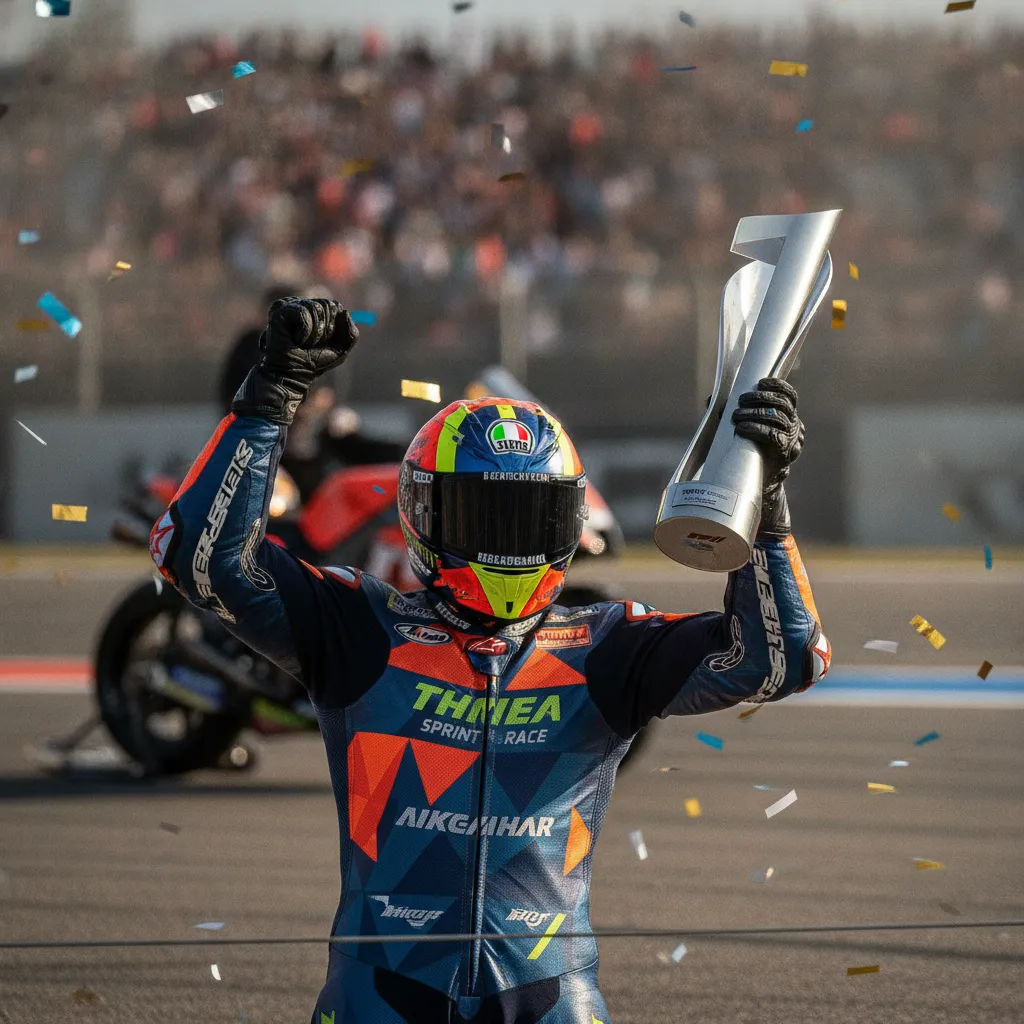
Every single point matters in MotoGP, and the 12 points on offer in the Sprint can be decisive. A strong result provides a huge confidence boost and builds momentum heading into Sunday, while a mistake can leave a rider with zero points and a damaged bike.
The Sprint adds another layer of drama and unpredictability to the race weekend. It’s a high-stakes battle where riders have to weigh up the reward of a few extra points against the risk of an incident that could ruin their chances in the main Grand Prix. For fans, it simply means more thrilling racing to enjoy.
Quick Takeaways
- The Sprint is a half-distance race held on Saturday, awarding points to the top nine finishers.
- The result of the Sprint does not determine the starting grid for Sunday’s main Grand Prix.
- Sachsenring is a unique, anti-clockwise track with many left-hand corners, which is a big technical test for tyres and riders.
- Look out for championship contenders and riders with a good track record at the German circuit, as experience often pays off here.
Quick questions
- Q.How long is the MotoGP Sprint Race?
- It's half the distance of the main Grand Prix on Sunday. At the Sachsenring, this is typically 15 laps.
- Q.Do Sprint Race results decide the grid for Sunday?
- No. The starting grid for both the Sprint and the main Grand Prix is set by the qualifying sessions held earlier on Saturday.
- Q.How many points are awarded in the Sprint?
- Points are awarded to the top nine finishers, from 12 points for first place down to 1 point for ninth.
- Q.Is there a Sprint Race at every Grand Prix?
- Yes, the Sprint format was introduced in 2023 and is scheduled to take place on the Saturday of every race weekend.